 Bellingham Exterior
 Board & Batten in Birchwood: A Style That Has to Earn Its Keep
Board and batten shows up a lot in Birchwood — on farmhouse-style remodels, on craftsman bungalows looking for a gable accent, and increasingly as a full-facade choice for new builds and additions. The wide-board-and-narrow-strip rhythm gives a home real depth and shadow line that flat lap siding can't match. But in this part of Whatcom County, a siding style is only as good as how it handles moisture, because the vertical seams and batten joints in this profile create more places for water to get in than a standard horizontal lap job.
That's the honest starting point for this page. Board and batten looks great when it's detailed correctly. It fails early and expensively when it isn't — and the failure isn't usually visible until the substrate behind it is already wet.
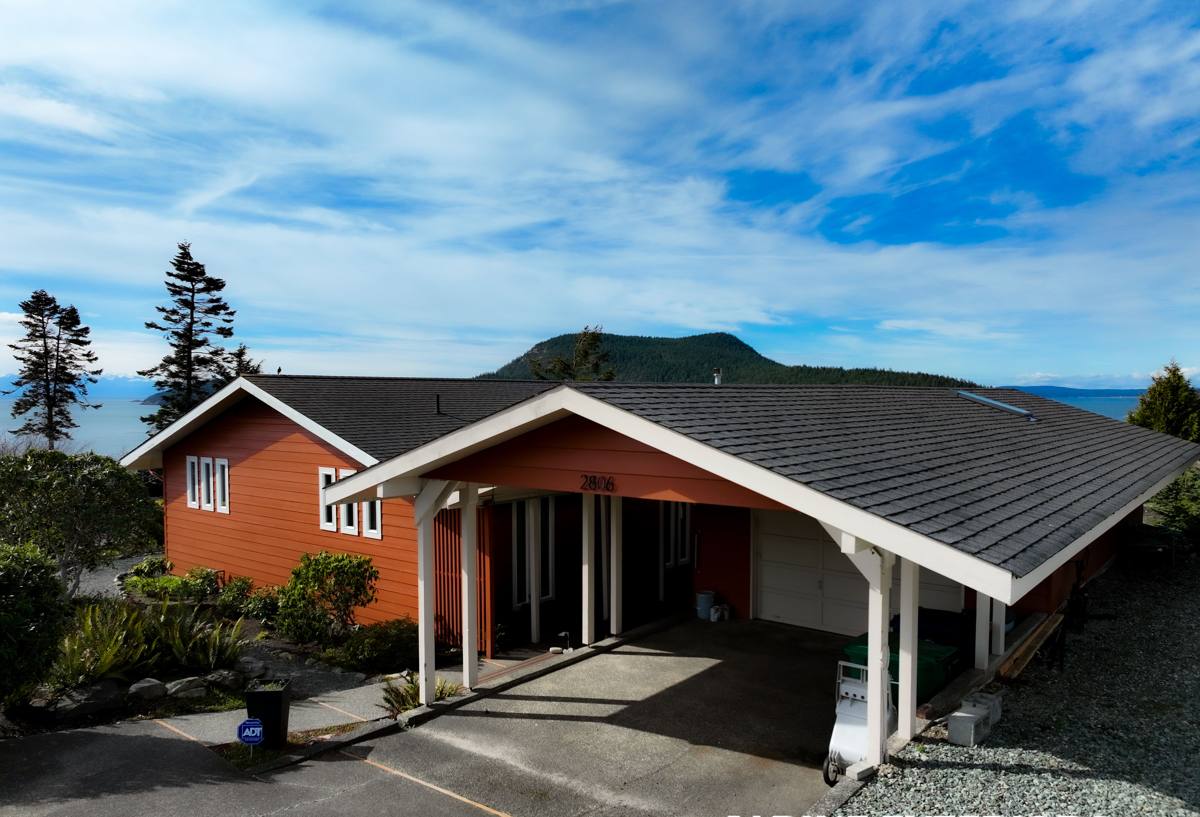
What Bellingham's Climate Actually Demands From This Profile
Birchwood sits inside the same marine climate that shapes exterior work across Bellingham and Whatcom County: salt-tinged air off the Salish Sea, long stretches of wind-driven rain rather than gentle vertical rainfall, and a moss and algae season that can run most of the year on shaded north- and west-facing walls. Each of these matters differently for a board and batten installation.
- Driving rain pushes water sideways and upward against vertical seams, which is exactly where board and batten has the most joints per square foot compared to lap siding.
- Salt air accelerates corrosion on fasteners and metal flashing, so a job that looks fine at year two can show rust streaks and loosening battens by year five if the wrong hardware was used.
- Moss and algae take hold fastest where the siding stays damp longest — behind battens with no airflow, at the base of walls near landscaping, and on any panel installed tight against the wall with no drainage path.
None of this means board and batten is a bad choice for Birchwood. It means the installation details matter more here than they would in a drier inland climate, and those details are where most of the visible problems on board and batten homes in this area actually start.
Where We See Board & Batten Go Wrong Locally
Most of the board and batten failures we get called out to inspect in the Bellingham area trace back to a small handful of shortcuts, not to the product itself.
Battens Nailed Directly Over Face-Sealed Seams
The batten is supposed to cover and protect the joint between panels, not act as the only barrier against water. When the seam underneath is caulked flat against the wall with no drainage plane behind it, trapped moisture has nowhere to go, and the sheathing behind it can stay wet for weeks after a storm.
No Rainscreen Gap
Vertical siding installed flush against the weather-resistive barrier, with no gap for air to move and moisture to drain, is one of the most common reasons we see paint failure, swelling, or soft trim on board and batten homes in wetter Pacific Northwest neighborhoods. A gap behind the siding lets bulk water drain out and lets the wall assembly dry between storms.
Under-Flashed Windows and Transitions
Board and batten's vertical lines draw the eye to window and door transitions, which is exactly where flashing mistakes are hardest to hide and most damaging when they happen. A missed head-flashing detail behind a batten can send water straight down inside the wall cavity.
Fasteners That Don't Belong in a Marine Climate
Standard fasteners can corrode faster near the water in Whatcom County than in inland climates. Corroding fasteners loosen battens, crack the caulk joint around them, and open a new entry point for water — usually a few years after the crew that cut corners is long gone.
The James Hardie System We Install
We install James Hardie fiber cement exclusively, and for board and batten work that means HardiePanel vertical siding paired with Hardie trim boards used as battens, finished in a factory-applied ColorPlus coating. We don't offer vinyl board and batten, LP SmartSide, or primed wood board and batten as alternatives — not because those products have no legitimate use anywhere, but because we've standardized on one system we can back with confidence in this specific climate.
Why This Combination
Fiber cement doesn't swell, rot, or delaminate the way wood-based or wood-composite panels can when they take on repeated moisture. It's non-combustible, which matters given Washington's increasing wildfire-season smoke and ember exposure even on the wetter west side of the state. And Hardie's HZ5 product line is engineered specifically for climates with freeze-thaw cycling and sustained moisture exposure — a closer match to Bellingham's weather pattern than siding lines built for drier regions.
ColorPlus Finish
The factory-applied ColorPlus finish is baked on under controlled conditions rather than field-painted, which gives it more consistent coverage and better resistance to fading and moss staining than a job-site paint job on primed board and batten. It also comes with a longer color-specific warranty than what a repainted surface can offer, which matters on a profile with this many exposed edges and joints.
What a Correct Installation Actually Involves
A board and batten job done right in Birchwood isn't fundamentally different from a well-built job anywhere in the Pacific Northwest — but every one of these steps matters more here because the margin for error in a wet, salt-exposed climate is smaller.
- A drainage gap (rainscreen) behind the panel, not a flush face-nailed install against the barrier
- Weather-resistive barrier installed and lapped correctly before any siding goes up
- Flashing at every window, door, and horizontal transition, installed before trim and battens go on top
- Panel and batten joints sealed with a sealant rated for the movement and exposure of this climate, not just whatever caulk was on the truck
- Corrosion-resistant fasteners appropriate for a marine-influenced environment
- Batten spacing and fastening that follows Hardie's published installation specifications, not shortcuts on nail pattern or spacing
- Proper clearance at the base of the wall so siding doesn't sit in contact with soil, mulch, or standing water
Skipping any one of these doesn't necessarily cause an immediate problem. It just removes a layer of protection that this climate will eventually test.
Our Process for Birchwood Projects
We walk the property first and look at exposure — which walls take the most driving rain and salt-laden wind, which sides stay shaded and damp longest, and where the existing siding or sheathing already shows moisture damage. That assessment shapes decisions like rainscreen detailing and flashing priorities before we ever price the job.
From there, installation follows a consistent sequence: remove and inspect the existing siding and sheathing, repair or replace any compromised substrate, install the weather-resistive barrier and flashing, then install the HardiePanel and battens to Hardie's specifications with the fastening and sealant approach suited to this climate. We clean up thoroughly and walk the finished job with the homeowner before we consider it done.
Because we work Birchwood and the surrounding Bellingham neighborhoods regularly, we're not guessing at local exposure conditions or relearning the climate on someone's home for the first time — we've already seen how board and batten performs a few years out on similar houses nearby.
Board & Batten Material Comparison
| Material | Moisture Behavior in a Marine Climate | Maintenance | Typical Lifespan Here |
|---|---|---|---|
| James Hardie fiber cement | Does not swell or rot; factory finish resists moss staining | Occasional wash; no repainting needed for years | Multiple decades with correct install |
| Primed wood board & batten | Absorbs moisture at joints and end grain; prone to swelling | Repainting and caulk maintenance every few years | Shorter, heavily dependent on upkeep |
| Vinyl board & batten | Doesn't rot but can trap moisture behind it; seams can loosen | Low, but damage/fading isn't repairable in place | Variable; UV and impact sensitive |
| LP SmartSide (wood-strand) | Engineered to resist moisture better than raw wood, but still wood-based at the core | Moderate; seam and edge sealing is important | Depends heavily on installation and sealing |
This table isn't meant to declare every alternative unusable — it's meant to show why, for a climate that stays wet as long as Whatcom County's does, we chose to standardize on one material rather than offer several with very different long-term outcomes.
Living With Board & Batten Long-Term in This Climate
Even a correctly installed board and batten job benefits from basic upkeep in a place like Birchwood. An annual visual check for loose battens, cracked caulk joints, or moss buildup on shaded walls catches small issues before they become water intrusion problems. A soft wash on north-facing or heavily shaded elevations helps control moss and algae growth between the routine cleanings most homes need anyway. None of this is unique to Hardie siding — it's just what any exterior in this climate needs, and a well-detailed fiber cement installation needs less of it than most alternatives.
Why Hiring a Crew That Already Works Birchwood Matters
Board and batten's vertical joints and batten seams are less forgiving of installation mistakes than plain lap siding, and this climate finds those mistakes faster than a drier one would. A crew that already understands how driving rain, salt air, and moss exposure behave on Birchwood's specific mix of home styles and lot conditions isn't relearning the basics on your house — they're applying what's already worked on similar homes nearby. That's the difference between board and batten that still looks and performs well in ten years and board and batten that needs a rebuild in five.
If you're considering board and batten siding for a home in Birchwood, we're happy to walk the property, look at your specific exposure and any existing siding condition, and put together a straightforward estimate — no pressure, no obligation.