 Bellingham Exterior
 Silver Beach: A Neighborhood Shaped by Water and Weather
Silver Beach is one of those Bellingham neighborhoods where the setting is the whole reason people live there — but that same setting is hard on a house. Homes here sit close to the water and under heavy tree canopy, which means more shade, more standing moisture, and more airborne salt than you'd find on a lot a few miles inland. Over the years we've worked on plenty of homes in and around Silver Beach, and the pattern is consistent: the exterior wears differently here than it does in drier, more open parts of Whatcom County.
None of that is a knock on the neighborhood. It's just physics. Wood, moisture, and salt air interact in predictable ways, and if a home's siding, roofing, or trim wasn't specified with that in mind, the wear shows up early — often years before a homeowner expects to be thinking about exterior repairs.
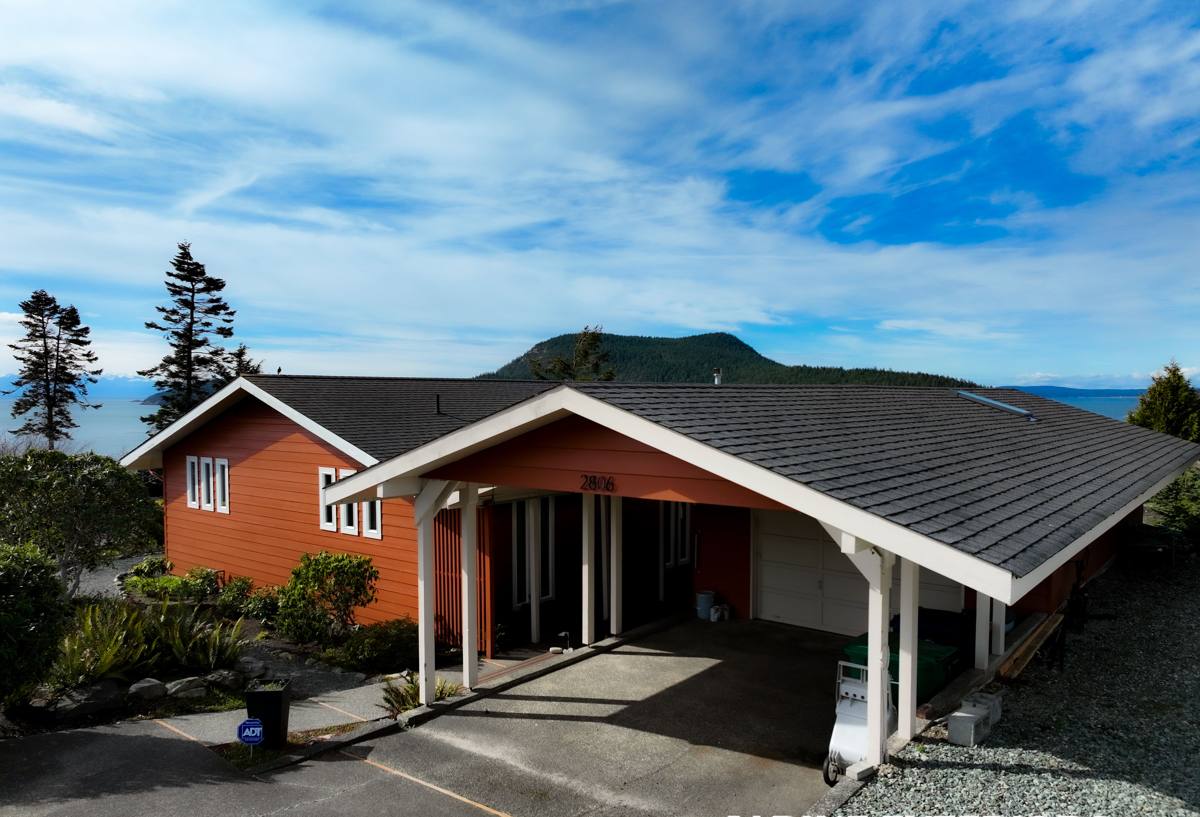
What Bellingham's Climate Does to Homes Near the Water
Salt Air and Metal, Paint, and Fasteners
Homes close to open water deal with airborne salt that accelerates corrosion on fasteners, flashing, and unprotected metal trim, and that can dull or chalk paint faster than it would inland. It's a slow process, but it's constant, and it's one of the first things we account for when we're specifying materials for a job in this part of Bellingham.
Driving Rain and Wind-Driven Moisture
Whatcom County doesn't just get a lot of rain — a good share of it comes in sideways off the water during winter storms. Wind-driven rain finds its way into laps, seams, and penetrations that would stay dry in a calmer climate. That makes water-shedding detail work — how siding overlaps, how flashing is installed around windows and doors, how a roof handles valleys and transitions — more important here than in most inland neighborhoods.
Shade, Tree Canopy, and Moss
Silver Beach's mature trees are part of its character, but they also mean roofs, siding, and decks dry out slower after a rain. Slower drying is exactly what moss, algae, and mildew need to take hold, and once established, moss holds moisture against a surface far longer than open air ever would. On roofs that means accelerated wear on shingles; on siding it means staining, and on wood surfaces like decking, it means a head start on rot.
Siding in Silver Beach: Why We Only Install James Hardie
Every exterior material handles Bellingham's damp, salt-tinged climate differently, and that's exactly why we standardized on James Hardie fiber cement and stopped installing everything else — vinyl, LP SmartSide, Cemplank, Allura, primed spruce, and cedar. It's worth explaining why, especially for a neighborhood like this one where moisture exposure is above average.
Moisture Behavior
Wood-based siding products, including engineered wood and untreated cedar, are organic materials — they can absorb moisture at cut edges and seams, and in a shaded, damp environment like Silver Beach, that moisture has less opportunity to dry out between rain events. Fiber cement is cement-based, not wood-based, so it doesn't behave the same way when it takes on water. That single difference matters more here than it would in a drier climate.
Non-Combustible and Built for the Long Haul
James Hardie siding is non-combustible, which is a real advantage regardless of climate, and its HZ5 product line is engineered specifically for wetter, harsher climates like ours in the Pacific Northwest. The factory-applied ColorPlus finish is baked on under controlled conditions, which holds up to UV and moisture exposure more consistently than field-applied paint on wood siding — a meaningful difference on a shaded lot where paint takes longer to fully cure and dry between coats.
Vinyl's Trade-Off
Vinyl siding is inexpensive and low-maintenance in a basic sense, but it's a thin plastic product that can warp with heat and become brittle with age and UV exposure, and it typically doesn't hold up to wind-driven debris the way a rigid fiber cement board does. Near the water, where wind events are part of the annual weather pattern, that's a real consideration.
Why We Made the Call
We're not telling homeowners any of this to knock other manufacturers — every product has a customer base and a use case. We simply decided that for the climate we work in, fiber cement is the one material we're comfortable standing behind with a long-term installation warranty, and we'd rather install one product exceptionally well than several products at a compromise.
| Material | Moisture Tolerance in Wet Climates | Fire Resistance | Typical Factory Finish |
|---|---|---|---|
| James Hardie Fiber Cement | High — cement-based, engineered HZ5 line for wet climates | Non-combustible | ColorPlus baked-on finish |
| Vinyl | Moderate — doesn't absorb water, but can warp and crack | Combustible | Color molded through, fades over time |
| LP SmartSide / Engineered Wood | Moderate — treated, but wood-based and edge-sensitive | Combustible | Factory primed or coated |
| Cedar / Primed Spruce | Lower — organic material, absorbs moisture, needs upkeep | Combustible | Field-applied, needs maintenance |
Roofing Considerations for This Neighborhood
Roofs in shaded, water-adjacent neighborhoods like Silver Beach carry a heavier moss and algae burden than roofs in open, sunny parts of Bellingham. That doesn't necessarily mean a shorter roof life, but it does mean roofing decisions here should account for drainage, ventilation, and material selection with moss resistance in mind. Proper attic and roof ventilation helps a roof deck dry out between rain events, and clean, well-sized gutters and valleys keep water moving off the roof instead of sitting against shingles.
We also pay close attention to flashing details on roofs in this area — around chimneys, skylights, and roof-to-wall transitions — since wind-driven rain finds weak points in flashing long before it finds weak points in the field of the roof itself.
Windows: Comfort, Condensation, and Coastal Air
Older windows in Silver Beach homes tend to show their age through condensation between panes, drafts, and failing seals — all made worse by the persistent humidity that comes with being close to the water and under tree cover. Replacement windows with proper flashing and modern seals cut down on both energy loss and the interior moisture problems that come from cold glass in a humid house. Window installation is also one of the most common places where water intrusion starts if flashing isn't integrated correctly with the siding around it, which is one more reason we treat siding and window work as connected, not separate, projects.
Decks Built for a Damp Climate
Decks in this part of Bellingham take a beating from shade, moisture, and moss, especially on lots with heavy tree cover. Proper joist spacing, ledger flashing, and gap sizing between boards all affect how quickly a deck dries out after rain — and how long it lasts before boards start to cup, split, or grow slick with algae. Material choice matters too; some decking products handle constant damp shade far better than others, and we'll walk through the honest trade-offs for a given lot rather than defaulting to whatever's cheapest.
Why a Local Crew Matters Here
A crew that works across Whatcom County regularly sees how differently homes age depending on their exposure — a house two blocks from open water and under trees needs different detailing than a house on an open, sunny lot in a newer subdivision. That's not something you get from a national installer working off a generic spec sheet. It comes from doing the work here, repeatedly, and paying attention to what actually holds up in this specific climate versus what looks fine on day one.
Local also means accountability — a company based in Bellingham has a reputation in this community to maintain, and a warranty that's easy to act on because we're not far away.
What to Expect From an Exterior Project
Every project starts with an honest look at what's actually happening on the house — not just what's visible, but what's likely happening underneath, especially in a moisture-heavy neighborhood like this one. From there we'll walk through material options, realistic cost ranges, and a timeline that accounts for Bellingham's weather windows, since exterior work generally goes best in the drier stretches of the year.
Homeowner Maintenance Checklist for Silver Beach
- Clean moss and debris off the roof and out of gutters at least once a year, more often under heavy tree cover
- Check window and door flashing for gaps or caulk failure each fall before the rainy season sets in
- Keep tree branches trimmed back from the roofline to improve airflow and sun exposure
- Rinse siding periodically to prevent algae and moss buildup, especially on north-facing and shaded walls
- Inspect deck boards and ledger connections annually for soft spots, cupping, or fastener corrosion
- Watch for peeling paint or discoloration on wood trim — an early sign of moisture getting in
Getting Started
If you're noticing moss buildup, fading siding, drafty windows, or a deck that never quite dries out, it's worth having someone take a real look rather than guessing at what's driving it. We offer free, no-pressure estimates for homeowners in Silver Beach and throughout Bellingham — fill out the form below and we'll walk the property with you and give you a straight assessment of what your exterior actually needs.