 Bellingham Exterior
 Fairhaven's Exterior Challenge: Living Close to the Water
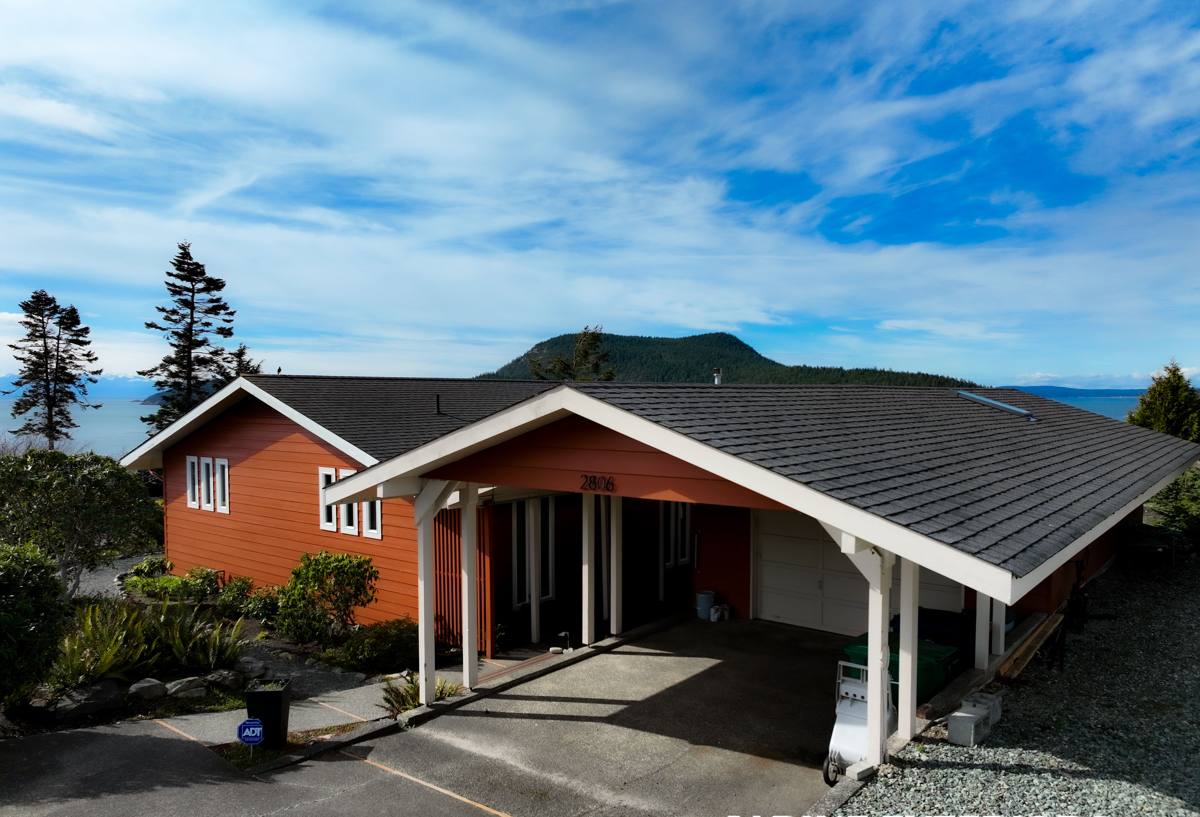
Fairhaven sits right against Bellingham Bay, and that proximity to salt water shapes everything about how a house ages here. Homes just a few blocks inland in other parts of Whatcom County face a milder version of what Fairhaven properties deal with year-round: salt-laden air, wind-driven rain coming straight off the water, and long stretches of shade and moisture that keep moss and algae established on roofs and siding for most of the year. Add in the neighborhood's mix of older homes — many with historic character worth preserving — and you get a housing stock that needs exterior materials and installation practices matched to a genuinely tough marine environment, not a generic Pacific Northwest checklist.
We work throughout Bellingham and Whatcom County, and Fairhaven is one of the areas where the difference between exterior work done for the climate and exterior work done to a national average spec shows up fastest — sometimes within a single wet season.
What Salt Air Actually Does to a House
Salt air isn't just a smell. Airborne salt is corrosive, and it settles on every exterior surface — siding, trim, fasteners, flashing, roofing hardware, window frames. Over time it accelerates corrosion in metal components and can degrade certain coatings and finishes faster than the manufacturer's inland test data would suggest. This matters most for:
- Fasteners and flashing — the wrong metal or coating rusts and streaks siding, and eventually fails at the point where it's protecting the wall.
- Painted or lower-grade finishes — factory finishes vary a lot in how well they resist salt exposure and UV together.
- Window hardware and exposed metal trim — corrosion here isn't cosmetic only, it affects how well components seal and operate.
None of this means a house near the bay is doomed to premature failure. It means material choices and installation details that would be "fine" in a drier inland neighborhood need to be treated as non-negotiable in Fairhaven — corrosion-resistant fasteners, correctly lapped and sealed flashing, and finishes rated for coastal exposure.
Driving Rain and Wind Off the Bay
Bellingham gets a lot of rain generally, but Fairhaven's exposure to wind coming off open water means rain here often arrives at an angle, not straight down. Wind-driven rain finds weaknesses that vertical rain never tests: gaps at butt joints, undersized overlaps, poorly sealed penetrations around vents and fixtures, and trim that wasn't caulked or flashed with wind-loading in mind. A siding or roofing job that looks identical to one done on a sheltered inland lot can perform very differently once it's actually facing a winter storm rolling in off the bay.
This is one of the biggest reasons installation quality matters as much as material choice. A premium product installed with inland assumptions will still leak. A modest product installed correctly for wind-driven rain will often outperform it.
Moss, Algae, and the Long Wet Season
Whatcom County's wet season runs long, and Fairhaven's tree cover and proximity to the water keep humidity and shade high in a lot of yards. That combination is exactly what moss and algae need to get established on roofs, siding, and decks. Left alone, moss holds moisture against the surface underneath it — shingles, fiber cement, or wood — which shortens the life of whatever it's growing on, whether or not the material itself is otherwise sound. Regular removal and exterior surfaces that don't offer moss an easy foothold both matter here.
Siding: Why We Only Install James Hardie
Siding is the single biggest exterior surface fighting salt air, wind-driven rain, and moss on a Fairhaven home, which is why we're selective about what we put up. We install James Hardie fiber cement exclusively — we don't do vinyl, LP SmartSide, Cemplank, Allura, primed spruce, or cedar, and we think homeowners deserve an honest explanation of why, not just a sales pitch for what we sell.
- Vinyl handles moisture fine but is a poor match for coastal wind exposure — it can crack, warp, or blow loose in sustained wind events, and it doesn't hold paint if a homeowner ever wants to change the look.
- Cedar and primed spruce are attractive and traditional but are wood — they need real maintenance discipline (recoating, caulking, moss control) to survive a climate this wet, and in a shaded, humid neighborhood like Fairhaven that maintenance burden is higher than most homeowners expect going in.
- LP SmartSide is an engineered wood product with real strengths, but it's still wood-based, meaning edge sealing and joint maintenance are more critical in high-moisture, salt-air conditions than they are inland.
- Cemplank and Allura are also fiber cement and get closer to what we want structurally, but we standardized on one manufacturer, one factory-finish system, and one warranty structure so we can install to spec every time and stand behind the result with confidence — rather than juggling install requirements and warranty terms across multiple product lines.
James Hardie fiber cement is non-combustible, dimensionally stable in wet-dry cycling, and available in HZ product lines engineered for specific climate zones — relevant here given how much moisture this region sees. The ColorPlus factory finish is baked on and warranted separately from the substrate, which matters in a salt-air environment where lesser finishes fade or chalk faster. It's not immune to Fairhaven's climate — no material is — but installed correctly, it's the product we're comfortable putting our name behind on homes this close to the water.
Roofing in a Bay-Facing Neighborhood
Roofing here has to deal with the same wind-driven rain and moss pressure as siding, plus direct UV and salt exposure on the most exposed surface of the house. Proper underlayment, ice-and-water protection at vulnerable areas, corrosion-resistant flashing and fasteners, and attention to ventilation all matter more in a marine climate than they do in a drier one — poor attic ventilation combined with constant moisture is a common driver of premature roof and sheathing problems we see on older homes in this area.
Windows: Sealing Out Moisture and Condensation
Fairhaven has a good number of older homes, and older window units are one of the more common weak points we run into — original wood-frame windows that have seen decades of salt air and rain often have failed seals, soft frames, or hardware that's corroded to the point of not sealing properly anymore. Beyond comfort and energy loss, a poorly sealing window is a moisture entry point that puts wall assemblies at risk. Replacement windows with sound flashing details, quality weatherstripping, and finishes suited to coastal exposure address both problems at once.
Decks: Built for Wet, Shaded Conditions
Decks in Fairhaven face the same long wet season and moss pressure as roofs, often compounded by tree shade that keeps deck surfaces from drying out between rain events. Material choice, proper drainage and airflow underneath the deck, and fastener corrosion resistance all affect how long a deck stays solid and safe rather than just how it looks the first year.
Cost Factors: What Drives Pricing in a Coastal Neighborhood
| Factor | Why It Matters in Fairhaven |
|---|---|
| Corrosion-resistant fasteners & flashing | Standard-grade hardware corrodes faster in salt air; upgraded materials cost more but prevent early failure |
| Wind-rated installation detailing | Extra sealing, fastening schedule, and flashing work needed for wind-driven rain off the bay |
| Age and condition of the existing structure | Older Fairhaven homes may need sheathing or trim repair discovered once old siding or roofing comes off |
| Access and site conditions | Tree cover, slope, and lot layout common in this neighborhood can affect labor and equipment needs |
| Product finish and warranty tier | Coastal-rated finishes and stronger transferable warranties typically cost more upfront but reduce maintenance and repainting cycles |
Why a Local Crew Matters Here
A crew that mainly works drier, inland jobs can still do competent general work — but they may not default to the fastener grade, flashing details, or ventilation choices that a bay-facing Fairhaven home actually needs, simply because it isn't what they run into every day. A crew that regularly works Bellingham's waterfront-adjacent neighborhoods treats corrosion resistance, wind-driven rain detailing, and moss-resistant material choices as standard practice, not an upsell. That local pattern recognition is worth as much as the materials themselves.
What to Check Before Hiring for a Fairhaven Property
- Ask specifically what fastener and flashing materials they use, and whether that changes for coastal-exposed homes.
- Ask how they handle wind-driven rain detailing at joints, penetrations, and trim — not just general moisture protection.
- Confirm licensing, bonding, and insurance, and ask for it in writing.
- Ask how they assess and address existing moss or algae before new work goes on, rather than covering over it.
- Get a clear, written scope — what's included, what warranty applies to material versus labor, and who to call if something needs attention later.
- Ask whether they've worked on similar-age homes in Fairhaven or comparable Bellingham neighborhoods.
Getting Started
If you own a home in Fairhaven and you're noticing moss buildup, staining, drafty windows, or a deck that never quite dries out, it's worth having a local crew take a look before small issues turn into structural ones. We offer free, no-pressure estimates for siding, roofing, windows, and decks, and we're happy to walk through what your specific property is facing and what it would take to address it properly.