 Bellingham Exterior
 Storm Damage Roof Repair in Fairhaven: What Makes It Different
Fairhaven sits close to Bellingham Bay, on a mix of hillside terrain and low-lying streets, with a housing stock that ranges from century-old homes to newer builds tucked into the same slopes. That location is part of what makes the neighborhood distinctive, and it's also exactly why storm damage here doesn't always look — or behave — the way it does on a roof forty miles inland. Wind off the water hits roofs at different angles than wind moving across flat, sheltered ground. Rain gets driven sideways and up under shingle edges instead of just falling straight down. And a moss season that runs most of the year means a lot of Fairhaven roofs were already carrying some hidden moisture stress before the storm that just tore a section of shingles loose ever arrived.
Storm damage roof repair, done right, isn't just replacing whatever shingles blew off. It's figuring out what the storm exposed, what it made worse, and what was already quietly failing underneath before the wind ever picked up. This page walks through what that actually involves for a Fairhaven roof specifically, and what to expect if you call a local crew after a storm.
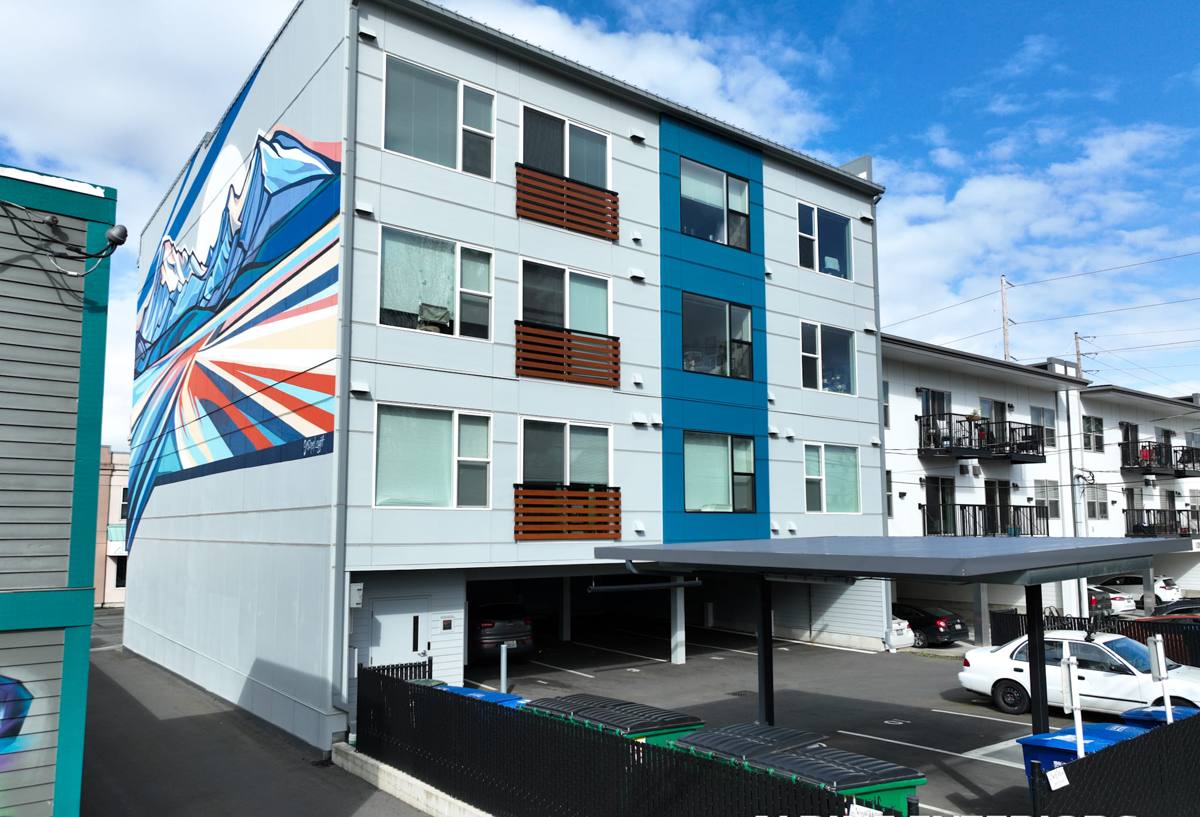
What Storm Damage Actually Looks Like on a Fairhaven Roof
Not all storm damage announces itself with a hole in the roof. Some of the most consequential damage is the kind that lets water in slowly, over weeks, rather than all at once.
Wind-Lifted and Torn Shingles
Sustained wind off the bay can lift shingle tabs enough to break the factory seal without tearing the shingle away completely. From the ground, the roof can look fine. Up close, those shingles no longer seal against wind-driven rain, and the next storm — not necessarily this one — is what actually lets water in.
Flashing Failures at Valleys, Chimneys, and Walls
Flashing is where most storm-related leaks actually originate, not the open field of the roof. Wind and repeated flexing can work flashing loose at valleys, chimney step flashing, and the point where a roof meets a sidewall, and a gap that's a fraction of an inch is enough for wind-driven rain to exploit.
Debris Impact From Mature Tree Canopy
Fairhaven's older residential blocks carry a lot of mature tree cover, which is part of the neighborhood's character but also means branches and limbs come down in wind events. A direct hit can crack shingles, dent metal flashing, or puncture decking outright, and even a glancing hit can knock loose granules and shorten a shingle's remaining life without leaving an obvious visible break.
Water Intrusion Through Pre-Existing Moss and Rot
On a roof that already had moss buildup or soft, moisture-retentive decking from Whatcom County's long damp season, a storm doesn't have to create new damage to cause a leak — it just has to push enough water at an already-weakened spot. This is why a proper storm inspection looks past the obviously broken shingles to the condition of the roof underneath them.
Why Fairhaven's Setting Raises the Stakes
A few things specific to this neighborhood change how storm damage plays out and how it should be repaired.
- Bay-front wind exposure: Wind coming off open water tends to hit roofs at more variable angles than wind moving across sheltered inland terrain, which is part of why the same storm can do very different damage to a Fairhaven roof than to one a few miles inland.
- Hillside drainage: A lot of Fairhaven housing sits on sloped lots leading up from the waterfront. During a heavy storm, how water moves off the roof and away from the foundation matters as much as the roofing material itself — a repair that ignores drainage can hold up fine until the next heavy rain finds the same weak point.
- Older housing stock: Fairhaven's mix of early-20th-century homes and newer infill means roofing systems, decking, and ventilation of very different ages and standards sit within blocks of each other. An older roof deck may need more than a shingle swap to meet current wind and moisture standards.
- Salt-tinged air: Fasteners and flashing metal exposed to marine air corrode faster than the same materials would inland, which is worth factoring into any repair material decision, not just the shingle choice.
What a Correct Storm Repair Actually Involves
A patch job and a correct repair can look identical from the curb. The difference is in what gets checked before anything gets nailed down.
A repair done right after a storm typically includes:
- A full inspection of the affected slope, not just the specific spot with visible damage, since wind damage rarely stays confined to one tidy area
- Removal of damaged shingles down to the decking to check for soft spots, rot, or existing moisture intrusion the storm may have only just exposed
- Inspection of the underlayment beneath the damaged area, since a torn or displaced shingle often means the underlayment took wind and water exposure too
- A flashing check at every valley, chimney, vent, and wall intersection on the affected slope, not just at the obvious damage point
- Matching replacement shingles as closely as possible in type, color, and weight, since a mismatched patch is a common source of homeowner frustration even when the repair itself is sound
- Fastening and sealing methods suited to this location's wind exposure, particularly on a bay-facing slope
Skipping any of these steps doesn't necessarily cause an immediate failure — it just means the roof is more likely to leak at the same spot during the next storm instead of this one.
Our Storm Response Process
When a Fairhaven homeowner calls after a storm, the process generally follows the same sequence:
- Initial call and triage: We ask what you're seeing — visible damage, an active leak, water staining inside — so we can prioritize active leaks and safety hazards first.
- Temporary protection if needed: If there's an active leak or exposed decking, the first priority is a temporary cover to stop water intrusion before the permanent repair is scheduled.
- On-site inspection: We walk the affected slope, and the rest of the roof, since storms rarely damage just one spot, and document what we find, including anything that predates the storm so you have an honest picture of what's storm-related and what isn't.
- A clear repair plan: You get a written explanation of what needs to be done, why, and what it will cost, before any work starts.
- The repair itself: Matched materials, proper flashing and fastening for this location, and cleanup of debris and old materials when the work is done.
- Follow-up: If anything about the repair doesn't hold up the way it should, you're calling a crew that's still local and still here, not chasing down a number that no longer answers.
Repair, Partial Re-Roof, or Full Replacement? Cost Factors
Storm damage doesn't always call for a full re-roof, and it doesn't always call for a simple patch either. The honest answer depends on a handful of factors:
| Factor | Points Toward Spot Repair | Points Toward Larger Work |
|---|---|---|
| Extent of damage | Limited to one slope or small area | Multiple slopes affected, or damage scattered across the roof |
| Roof age | Roof is well within its expected service life | Roof is already near the end of its expected lifespan |
| Decking condition | Decking is sound once exposed | Rot or soft spots found under the damaged area |
| Shingle match availability | Existing shingle is still available or close enough to match | Discontinued shingle line, or a patch would be visibly mismatched |
| History of prior repairs | First repair needed on this roof | Multiple past repairs suggest the roof is due for larger work |
A targeted storm repair is generally a modest, bounded expense measured against the roof's overall value, while a partial or full re-roof is a larger investment. We'll give you a straightforward recommendation based on what we actually find, not a default push toward the bigger job — a lot of storm damage genuinely is a contained repair.
Working With Insurance After a Storm
Most homeowners' policies cover sudden storm damage — wind, falling debris — but distinguish it from gradual wear, deferred maintenance, or pre-existing moss and rot damage that a storm simply exposed rather than caused. That distinction matters, and an honest contractor will tell you which is which rather than characterizing everything as storm-related to inflate a claim.
A few things that help if you're filing a claim:
- Get an inspection and written documentation as soon as reasonably possible after the storm, before further weather compounds the damage
- Ask for photos and a clear written description of what's storm damage versus what's pre-existing, since adjusters look for exactly this distinction
- Be cautious of anyone who shows up unsolicited after a storm pushing you to sign a contract on the spot, especially tied to a claimed insurance deadline — a legitimate local contractor doesn't need those tactics
- Get your own independent estimate rather than relying solely on the adjuster's initial scope, since adjuster estimates don't always capture everything a proper repair requires
Signs Your Fairhaven Roof Should Be Checked After a Storm
Some storm damage is obvious. Some isn't visible from the ground at all. After any significant wind or rain event, it's worth checking for:
- Shingles visibly torn, curled, or missing from the roof surface
- Granules collecting in gutters or at downspout outlets, which often means shingle wear you can't see from the ground
- New water stains on ceilings or upper walls inside the home
- Visible daylight or gaps around a chimney, vent, or skylight flashing
- Sagging or soft-feeling spots on the roof surface
- Debris — branches or limbs — still resting on the roof after the storm has passed
- Gutters pulled loose or overflowing during rain, which can point to a roof drainage issue rather than just a clogged gutter
If you notice any of these, it's worth having it looked at before the next storm rather than after.
Why a Local Fairhaven Crew Matters After a Storm
Storm damage repair is one of the areas where hiring locally makes the most practical difference, not just a values-based one. A crew that already works Whatcom County roofs regularly can typically get to a Fairhaven roof faster than an out-of-area company juggling a wider service radius, which matters when there's an active leak. Just as important, a local crew is still going to be here next year if something about the repair needs a follow-up look — which is more than can be said for the storm-chasing crews that tend to show up in the days after a major weather event and are gone before the workmanship warranty means anything.
Familiarity with this specific neighborhood also matters in ways that are easy to underestimate: knowing how bay-front wind behaves differently than wind a few miles inland, recognizing the hillside drainage patterns common to Fairhaven's sloped lots, and understanding what an older Fairhaven roof deck can and can't handle without additional work. That's knowledge built from working the neighborhood repeatedly, not something a contractor picks up on a single storm-response job.
If a recent storm has left your Fairhaven roof with visible damage, a persistent leak, or just enough uncertainty that you'd like a second set of eyes on it, we're glad to take a look. Fill out the form below for a free, no-pressure estimate and an honest read on what your roof actually needs.