 Bellingham Exterior
 Siding That Has to Work Year-Round in York
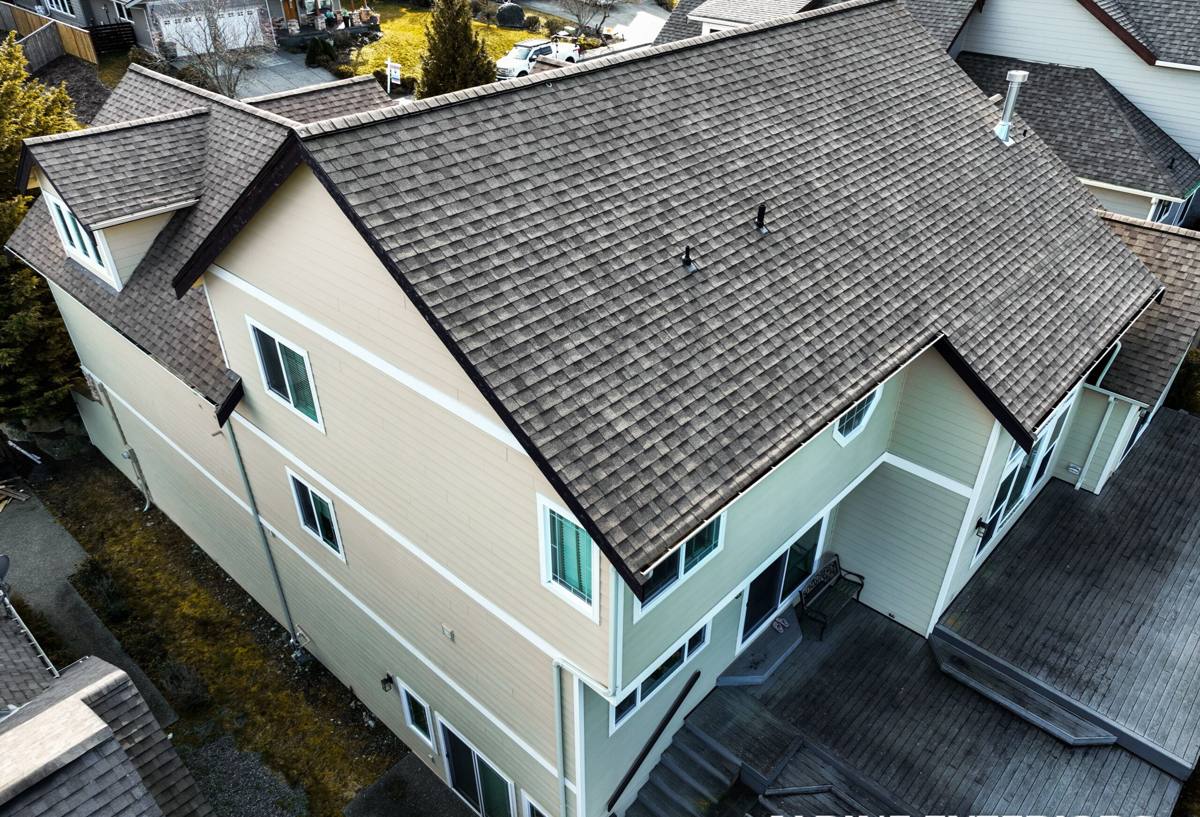
Homes in York sit close enough to the water and the marine weather pattern that moves through Bellingham to take a real beating over the course of a year. It isn't one dramatic storm that wears siding down here — it's the steady combination of salt-laden air, wind-driven rain that gets pushed sideways against west and south walls, and long stretches of damp, shaded conditions that let moss and algae take hold and stay there for months. Whatcom County's climate doesn't give siding much of a break, and that shapes everything about how a proper installation should be planned and executed.
A siding job that would hold up fine in a drier inland climate can fail early here if the water management details are skipped. That's the core of what this page is about: what York homes specifically need from their siding, what a correct installation actually involves, and why the process matters as much as the product.
What the Local Climate Actually Does to Siding
Salt Air and Corrosion
Proximity to Bellingham Bay means airborne salt reaches farther inland than most homeowners assume. Salt exposure accelerates corrosion on exposed metal fasteners, flashing, and trim — and it degrades some paint and coating systems faster than manufacturers' standard warranties assume. Any material or fastening choice for a York home needs to account for this, not just meet a generic national spec.
Driving Rain
Storms off the Sound tend to arrive with wind, which means rain doesn't just fall on siding — it's driven horizontally into seams, laps, and penetrations. Wall assemblies here need a weather-resistive barrier and flashing details that assume water will reach the wall plane, not just a siding product that looks watertight on the surface.
The Long Moss Season
Shaded north and east elevations, tree cover common in this part of Bellingham, and long stretches of overcast, damp weather add up to a moss and algae season that can run most of the year. Moss holds moisture against a wall surface far longer than open exposure would, and on the wrong siding material that trapped moisture leads to swelling, delamination, or rot at seams and butt joints.
Why We Install James Hardie Fiber Cement — And Nothing Else
We standardized on James Hardie fiber cement siding for every home we work on, including in York, and we don't install vinyl, LP SmartSide, primed wood, or other fiber cement brands. That's not a marketing position — it's a decision based on what actually holds up under the exact conditions described above.
Fiber cement is non-combustible, doesn't swell or rot when moisture sits against it the way engineered wood products can, and Hardie's ColorPlus factory finish is baked on under controlled conditions rather than field-applied, which matters a lot in a climate where paint has to fight UV, moisture, and salt simultaneously. Hardie also makes climate-engineered HZ product lines specifically formulated for different moisture and temperature zones, which is relevant in a marine climate like Bellingham's. We'd rather install one product system correctly and stand behind it than offer several and let homeowners guess which one is right for their exposure.
What a Correct Installation Involves
The siding panel itself is only part of the job. Most premature siding failures we see on older homes in this area trace back to installation shortcuts, not the product. A correct job includes:
- A continuous weather-resistive barrier installed with proper shingle-lap sequencing, so water is directed out and down, not trapped behind the siding
- Flashing at every window, door, and roofline intersection, integrated with the barrier rather than just caulked over
- Correct fastener type, spacing, and penetration depth per the manufacturer's installation manual — over- or under-driven fasteners are a common cause of early cracking
- Proper clearance between the bottom of the siding and grade, decks, patios, and roof lines, so splash-back and standing water don't sit against the material
- Caulked and painted cut edges on any field-cut panels, since exposed raw edges are the most common entry point for moisture
- Rain-screen or drainage gap detailing where the wall assembly calls for it, giving any incidental moisture a path to escape
None of this is unique to York, but it matters more here than it would in a drier climate, because the margin for error is smaller when a wall assembly is regularly exposed to wind-driven rain and prolonged damp shade.
Our Process for a York Siding Installation
1. On-Site Assessment
We walk the home and look specifically at exposure by elevation — which walls take the worst of the wind-driven rain, where moss and algae are already established, where past water damage shows up around trim, windows, and the foundation line.
2. Scope and Product Selection
We spec the Hardie product line, plank profile or panel style, and finish appropriate to the home and its exposure, and walk through what removal of the existing siding is likely to reveal underneath (sheathing condition, existing barrier, any rot at penetrations).
3. Tear-Off and Substrate Inspection
Once old siding comes off, we inspect sheathing and framing before anything new goes on. Any soft or water-damaged sheathing gets repaired or replaced — covering it up with new siding just hides the problem.
4. Weather Barrier and Flashing
This is the step that determines how the wall performs over the next several decades, and it's the one that gets rushed on lower-quality jobs. We install the barrier and flashing system before a single piece of visible siding goes up.
5. Siding Installation
Panels or lap siding go up per Hardie's fastening and clearance specifications, with attention to butt joint placement, corner details, and trim integration.
6. Final Walkthrough
We check caulking, paint touch-up on any field cuts, clearances, and confirm drainage paths are clear before calling the job finished.
Signs a York Home Needs New Siding, Not Just Repairs
Homeowners often ask whether they need a full replacement or can get by with patching. Some signals point clearly toward replacement:
- Soft or spongy siding when pressed, especially near the bottom courses or around window sills
- Persistent moss or algae growth that returns within weeks of cleaning, indicating the wall is staying wet longer than it should
- Visible warping, cupping, or separation at seams and butt joints
- Paint that's failing across large areas rather than isolated spots, which often means the substrate underneath is compromised
- Interior signs like peeling paint, musty smell, or staining on walls that back up to exterior siding
If only one or two isolated areas show damage and the rest of the siding is sound, targeted repair can make sense. Once damage is spread across multiple elevations or tied to a systemic issue like missing flashing, full replacement is usually the more cost-effective long-term move.
What Affects the Cost of a Siding Installation
| Factor | Why It Matters |
|---|---|
| Home size and wall complexity | More corners, dormers, and roof intersections mean more flashing detail and labor time |
| Existing sheathing condition | Rot or water damage found during tear-off adds repair scope before new siding can go on |
| Siding profile and finish | Lap siding, panel systems, and trim/color choices within the Hardie lineup vary in material cost |
| Number of stories and access | Second-story and steep-site work requires more scaffolding or lift access, which affects labor |
| Trim and detail work | Window and door surrounds, corner boards, and fascia detailing add time relative to plain wall runs |
| Removal and disposal | Tear-off and haul-away of old siding is part of the scope on most replacement projects |
We give a firm, itemized quote after the on-site assessment rather than a rough phone estimate — the exposure and substrate condition at a specific property change the scope enough that a guess isn't useful to either of us.
Why It Matters That We Already Work in York
A crew that's worked multiple homes in a specific neighborhood knows things a crew from outside the area has to learn on the job — which elevations tend to take the worst wind-driven rain, how prevalent moss growth is on shaded lots, what kind of substrate condition to expect on homes of a given age and construction era. That local pattern recognition shows up in faster, more accurate assessments and fewer surprises once tear-off starts.
It also means service after installation isn't a logistical headache. If a question comes up two years down the line, a local crew that already knows the property and the neighborhood's conditions can respond quickly, without re-learning the site from scratch.
Caring for Hardie Siding After Installation in a Marine Climate
- Rinse siding periodically, especially shaded and north-facing walls, to keep moss and algae from establishing
- Keep gutters clear so overflow doesn't run down and pool against wall sections
- Trim back vegetation and tree cover that keeps walls shaded and damp longer than necessary
- Inspect caulking at trim and penetrations every couple of years and touch up as needed
- Address any impact damage or exposed edges promptly rather than letting them sit through a wet season
Correctly installed Hardie siding is low-maintenance, not no-maintenance — a little seasonal attention goes a long way toward getting the full lifespan out of the investment in a climate like this one.
If you're weighing a siding project for a home in York, we're happy to walk the property, look at your specific exposure, and put together a straightforward, no-pressure estimate. Use the form below to get started.