 Bellingham Exterior
 Asphalt Shingle Roofing Built for Happy Valley's Weather
Happy Valley sits close enough to Bellingham Bay that homes here take on a different kind of weather load than roofs a few miles inland. Salt-laden air moves in off the water, wind-driven rain comes at roofs sideways during the fall and winter storm cycles, and the tree cover that makes this neighborhood shady and green in summer also means moss has a long, unhurried season to establish itself on north-facing slopes. An asphalt shingle roof installed without that context in mind will still function, but it won't age the way it should. One installed correctly, with the right underlayment, ventilation, and edge details, will.
We work on roofs throughout Whatcom County, and Happy Valley's mix of older homes and newer infill means we see everything from roofs that were never properly vented to roofs installed to code but without the extra moisture protection this microclimate actually calls for. This page covers what a correct asphalt shingle roof looks like for a home in this neighborhood, not a generic install anywhere in the Northwest.
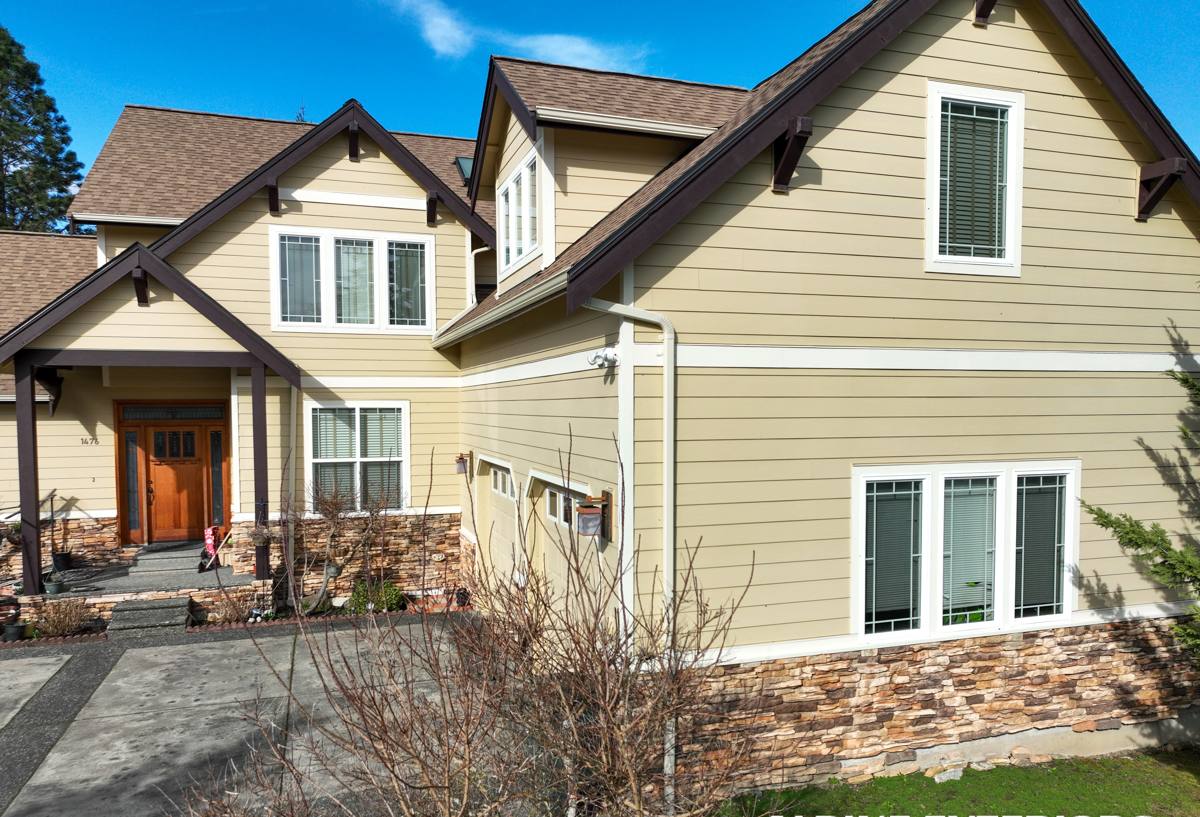
Why Local Climate Changes the Job
Salt Air and Metal Components
Proximity to the bay means airborne salt settles on roofing materials over time. It doesn't damage the shingles themselves much, but it accelerates corrosion on exposed fasteners, flashing, and any unpainted or poor-quality metal. We spec corrosion-resistant flashing and fasteners on homes in this zone rather than treating it as an upsell — it's a baseline decision for anything within a few miles of the water.
Driving Rain and Wind-Driven Water
Bellingham's storms frequently push rain sideways rather than straight down, especially on exposed or elevated lots. Standard shingle installation assumes water moving downhill under gravity. Wind-driven rain can force water sideways and even slightly uphill under a shingle edge if the underlayment and nailing pattern aren't dialed in. We pay particular attention to fastener placement, shingle sealing along rakes and eaves, and ice-and-water shield coverage at the vulnerable transitions — valleys, eaves, and any low-slope sections.
Moss and Shade
Tree cover keeps roofs damp longer after rain and blocks the sun that would otherwise dry them out. Moss doesn't just look bad; it lifts shingle edges as it grows, holds moisture against the shingle surface, and works its way under tabs over a few seasons. North- and west-facing slopes under mature trees are the areas we watch most closely on any Happy Valley roof, both at install and afterward.
What a Correct Asphalt Shingle Roof Includes Here
A roof that's going to hold up under this neighborhood's conditions isn't just "shingles nailed to plywood." The materials underneath the shingles do most of the actual work of keeping a house dry.
- Synthetic or felt underlayment rated for the exposure, installed with proper overlap and fastening — this is the actual water barrier if wind ever drives moisture past the shingles
- Ice-and-water shield at eaves, valleys, and any roof-to-wall transitions, extended further than code minimum in shaded or low-slope areas
- Corrosion-resistant step flashing and counterflashing at every wall intersection, chimney, and skylight — not caulk substituting for metal
- Balanced intake and exhaust ventilation so the attic can actually dry out between storms, which also slows moss growth from the underside up
- Shingle nailing that matches the manufacturer's high-wind pattern, not the minimum pattern, given how exposed some Happy Valley lots are
- Drip edge at both eaves and rakes, properly lapped with the underlayment rather than tucked underneath it
None of this is exotic. It's standard trade knowledge applied consistently, which is exactly the part that gets skipped when a crew is moving fast or unfamiliar with how this particular stretch of coastline behaves.
Choosing Shingle Products for This Neighborhood
Not every asphalt shingle product is worth the same consideration once you factor in moss exposure and salt air. We steer homeowners toward products with a few specific traits rather than pushing any one brand.
| Feature | Why It Matters in Happy Valley |
|---|---|
| Algae/moss-resistant granules (copper or zinc-infused) | Slows the black streaking and moss establishment that shaded, damp roofs are prone to — buys years before treatment is needed |
| Higher wind rating | Matters on exposed or elevated lots where gusts off the bay hit the roof directly |
| Manufacturer-matched accessory shingles (ridge, starter) | Keeps the warranty intact and ensures consistent sealing at edges and ridges, the spots wind-driven rain targets first |
| Laminate/architectural profile vs. 3-tab | Thicker laminate shingles generally shed wind-driven rain better and hold up longer under repeated wet-dry cycling |
We'll walk through the specific product lines that make sense for your roof's slope, sun exposure, and budget during the estimate — there's no single "right" shingle for every house, but there are traits worth prioritizing given where you live.
Color and Heat Considerations
Darker shingles show less staining from organic debris but run hotter in the rare stretches of direct summer sun; lighter shingles show streaking sooner but stay cooler. Under heavy tree cover, which describes a lot of Happy Valley, this trade-off matters less than it would on an open, south-facing lot — shade does more to control attic heat than shingle color does here.
Our Process for a Happy Valley Roof
1. On-Site Assessment
We inspect the existing roof, attic ventilation, decking condition, and the specific exposure of each slope — which sides face prevailing wind and rain, which stay shaded and damp longest. This is where we catch problems like inadequate ventilation or soft decking that a quick drive-by estimate would miss.
2. Straightforward Estimate
You get a written scope covering materials, underlayment system, flashing details, and any decking repair contingencies, with a clear price range. No pressure to decide on the spot, and no surprise add-ons buried in fine print.
3. Tear-Off and Deck Inspection
Old roofing comes off down to the deck so we can actually see what's there — soft spots, prior leak damage, or ventilation gaps that were hidden under the old shingles. This is standard practice for us, not an optional upgrade.
4. Underlayment, Flashing, and Shingle Installation
Installed in the sequence and with the material choices described above, matched to each slope's actual exposure rather than a one-size approach across the whole roof.
5. Cleanup and Walkthrough
We clear the site of old material and debris and walk the finished roof with you so you know what was done and why.
Maintenance That Actually Matters Here
A well-installed roof still needs some upkeep in this climate, mostly around moss and debris rather than the shingles themselves failing.
- Keep gutters clear of needles and leaf debris — clogged gutters back water up under the eaves, which is where a lot of avoidable damage starts
- Have moss treated or gently removed before it thickens, rather than waiting until it's visibly lifting shingle tabs
- Trim back overhanging branches where practical to reduce shade and debris load on the roof surface
- Have flashing and sealant points checked periodically, especially around chimneys and skylights, since these are the first spots wind-driven rain finds a way in
None of this requires a service contract or constant attention — a look once a year, particularly after the wet season starts, catches most issues before they become repairs.
Why Hire a Crew That Already Works This Area
A roofing crew that mostly works drier, less-shaded parts of Whatcom County can still install a technically code-compliant roof in Happy Valley — but "code-compliant" and "built for this specific microclimate" aren't always the same thing. Knowing which slopes in this neighborhood hold moisture longest, which lots take wind straight off the bay, and how salt air affects fastener choice isn't something you learn from a spec sheet. It's something you learn from doing this work on these streets, on these tree-covered lots, through more than one wet season.
We're a Bellingham-based crew, and Happy Valley is part of our regular service area — not a stretch job we take occasionally. That familiarity shows up in small decisions throughout the install: where we add extra ice-and-water shield even though code doesn't strictly require it, which flashing metal we default to given the salt exposure, and how we sequence ventilation work so moss has less of a foothold from day one.
Get a Free, No-Pressure Estimate
If your Happy Valley roof is showing moss, aging shingles, or you're just planning ahead, we're happy to take a look and give you a straightforward assessment — no sales pressure, no inflated urgency. Use the form below to request a free estimate and we'll get back to you with next steps.