 Bellingham Exterior
 Roofing in South Hill: A Different Kind of Wear
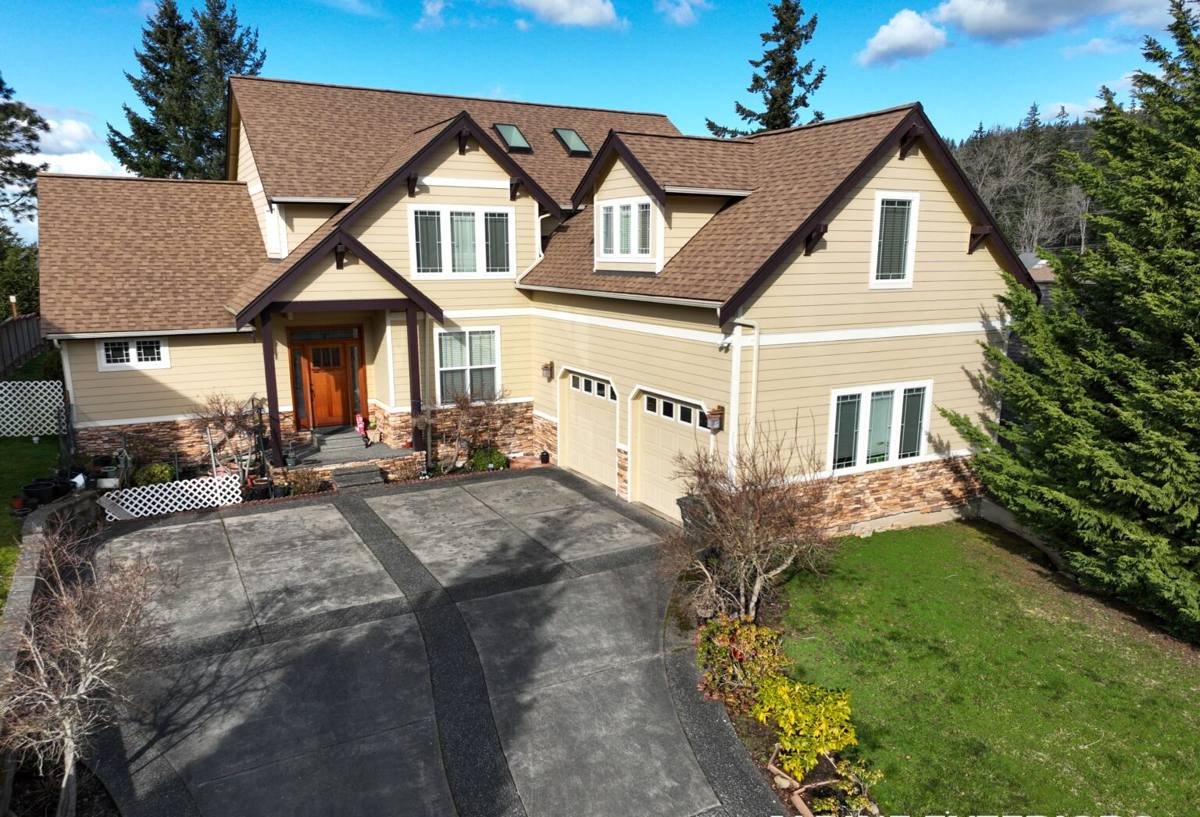
South Hill sits up in the trees on Bellingham's south side, with views out over the bay and a mix of older homes and newer builds tucked into wooded lots. That elevation and tree cover are part of what make the neighborhood desirable, but they also create a specific set of roofing conditions. Homes here catch salt-laden air drifting up from Bellingham Bay, take on driving rain that comes in sideways off Puget Sound during winter storms, and sit under enough tree canopy that moss and moisture have months on end to work into a roof surface. None of that is unique to South Hill alone, but the combination — elevation, wind exposure, and shade — shows up on South Hill roofs in ways that are worth understanding before you replace one.
A new roof installed without accounting for these conditions can look fine for a year or two and then start showing problems: soft spots near valleys, moss creeping under shingle tabs, or granule loss from repeated wetting and drying. A roof installed correctly for this specific climate holds up the way it's supposed to.
What Whatcom County's Climate Actually Does to a Roof
Whatcom County doesn't get the kind of violent hailstorms or heat-driven shingle cracking that other parts of the country deal with. Our problems are slower and quieter, which is exactly why they get missed:
- Driving rain pushes water sideways under poorly lapped shingles and around flashing that isn't sealed tight, especially on the west- and south-facing slopes that catch storms coming off the water.
- Salt air accelerates corrosion on exposed metal fasteners, flashing, and vents if they aren't rated for coastal exposure.
- Shade and moisture from mature trees keep roof surfaces damp for days after a storm, which is exactly what moss and algae need to take hold.
- Long, mild winters mean roofs rarely get a hard freeze-thaw cycle to dry things out, so moisture problems can sit and compound rather than resolve on their own.
None of this means South Hill needs an exotic roofing system. It means the standard components — underlayment, flashing, fasteners, and ventilation — need to be installed with this climate specifically in mind, not just to code minimums.
What a Correct New Roof Installation Actually Involves
Starting With the Deck
Before any new material goes down, the roof deck itself needs to be inspected. Years of slow moisture intrusion, especially under old moss growth, can leave plywood or board sheathing soft or delaminated in spots you can't see from the ground. A tear-off is the only time anyone gets an honest look at the deck, and any soft or damaged sections need to be replaced before new roofing goes over them. Skipping this step is one of the most common shortcuts in the trade, and it's the one that causes the most expensive problems down the line.
Underlayment That Matches the Exposure
Underlayment is the roof's backup layer if wind-driven rain gets past the surface material, and on a wind-exposed South Hill lot, it earns its keep. Self-adhered ice-and-water membrane at eaves, valleys, and around penetrations, paired with a synthetic underlayment across the rest of the deck, gives a roof real protection against sideways rain rather than relying on the shingles alone.
Flashing and Fasteners Rated for Salt Exposure
Flashing around chimneys, skylights, and roof-to-wall transitions is where most leaks actually start, not in the open field of the roof. On homes with any real exposure to salt air, flashing and fasteners should be a material that resists corrosion over the life of the roof rather than the cheapest option available. This is a small cost difference at installation and a large one if it's skipped and fasteners start rusting and backing out in ten years.
Ventilation That Keeps Moisture Moving
A roof that traps warm, moist attic air against the underside of the deck will rot from the inside regardless of how good the shingles on top are. Balanced intake and exhaust ventilation matters everywhere, but it matters more on shaded, moisture-heavy lots like much of South Hill, where the roof surface itself doesn't get much help drying out from sun exposure.
Choosing a Roofing Material for This Neighborhood
There's no single "best" roofing material — the right choice depends on the home's roof pitch, budget, and how much long-term maintenance the owner wants to take on. Here's an honest comparison of the main options we install and how they perform under South Hill's specific conditions:
| Material | Moss & moisture resistance | Typical lifespan | Maintenance |
|---|---|---|---|
| Architectural asphalt shingle | Good, with proper zinc/copper strips and clear valleys | 25–30 years | Periodic moss treatment and gutter cleaning |
| Standing seam metal | Excellent — sheds moss and debris on its own | 40–50+ years | Low; occasional fastener and sealant check |
| Synthetic/composite shake | Very good; doesn't absorb moisture like wood | 30–50 years | Low to moderate |
| Cedar shake | Fair; requires diligent upkeep in shaded, damp settings | 20–30 years with maintenance | High — regular treatment against moss and rot |
We're honest with South Hill homeowners about cedar shake in particular: it's a beautiful, traditional look, but on a heavily shaded lot it demands a real maintenance commitment to keep moss and moisture from shortening its life. That's not a knock on the product — it's a trade-off worth knowing before you choose it for a shaded, damp lot rather than a sunnier one.
Signs Your South Hill Home Needs a New Roof, Not Another Repair
It's not always obvious when a roof has crossed the line from "repairable" to "replace it." A few signs we look for during an inspection:
- Granules collecting heavily in gutters, indicating the shingle surface is breaking down
- Shingles that are curling, cupping, or cracking across multiple areas of the roof, not just one spot
- Soft or spongy decking felt underfoot during an inspection
- Moss that keeps returning to the same areas within a year of cleaning
- Daylight visible through the roof deck from inside the attic
- Multiple past repairs in different locations rather than one isolated issue
- A roof nearing or past its material's expected lifespan, especially if it was installed before recent code updates to ventilation and underlayment
If a roof only shows one or two of these, a targeted repair may still make sense. Once several of them show up together, a repair is usually just delaying a full replacement while spending money that won't carry forward.
How Our Installation Process Works
1. On-Site Inspection and Honest Assessment
We walk the roof, check the attic when accessible, and give a straight answer on whether the home needs a full replacement or whether a repair is still a reasonable option. We're not going to sell a full tear-off to a roof that has a few good years left in it.
2. A Written Scope You Can Actually Compare
The estimate spells out the material, underlayment system, flashing approach, and ventilation plan — not just a single lump-sum number. That's what lets you compare our proposal against anyone else's on an apples-to-apples basis.
3. Tear-Off and Deck Inspection
Old roofing comes off down to the deck, damaged sheathing gets replaced, and the deck is prepped before anything new goes down.
4. Underlayment, Flashing, and Material Installation
Ice-and-water membrane at vulnerable areas, synthetic underlayment across the field, corrosion-resistant flashing and fasteners, and the chosen roofing material installed to manufacturer specifications for wind and moisture exposure.
5. Ventilation Check and Final Walkthrough
We confirm intake and exhaust ventilation is balanced, clean the site, and walk the finished roof with you before calling the job done.
Permits, Warranties, and Timeline
A full roof replacement in Bellingham typically requires a building permit, and we handle that as part of the job rather than leaving it to the homeowner. On warranties, it's worth understanding there are two separate ones: the manufacturer's warranty on the material itself, and our workmanship warranty covering the installation. A quality material installed poorly will still leak — the labor side matters as much as the shingle or panel you choose.
Timeline for a typical single-family home runs a few days from tear-off to finished roof, weather permitting. Whatcom County's rain means scheduling has to build in some flexibility, and we'd rather push a start date than install underlayment or shingles in conditions that compromise the seal.
Cost Factors Worth Understanding
Roofing costs vary by home size, pitch, material, and how much of the deck needs replacement, so we won't quote a number here that wouldn't hold up on your specific house. What we can tell you is what actually drives the price up or down:
| Factor | Effect on cost |
|---|---|
| Roof pitch and accessibility | Steeper, harder-to-access roofs require more safety equipment and labor time |
| Deck condition | Rotted or soft sheathing found during tear-off adds material and labor |
| Material choice | Metal and premium synthetics cost more upfront than asphalt but last longer |
| Number of penetrations | Chimneys, skylights, and vents each need individual flashing work |
| Layers being removed | Multiple existing layers take longer to tear off and dispose of |
Why Local Experience on South Hill Matters
A roofing crew that already knows South Hill's terrain, tree cover, and wind exposure isn't guessing at how to detail a valley or where moss is going to come back first — they've seen it on the house down the street. That familiarity shows up in small decisions during the job: where to add extra underlayment, which slopes need closer attention to flashing, and how to set ventilation for a lot that doesn't get much direct sun. It's the difference between a roof installed to pass inspection and one installed to actually perform in this neighborhood's conditions for its full lifespan.
If you're weighing a new roof for a South Hill home, we're happy to take a look and walk you through what we see — no pressure, no obligation. Use the form below to request a free estimate.