 Bellingham Exterior
 Why Sudden Valley Roofs Wear Differently Than Roofs Closer to Town
Sudden Valley sits back in the trees along the south shore of Lake Whatcom, and that setting changes how a roof ages. Heavy tree cover means more shade, more standing moisture, and more organic debris landing on the roof deck than a home out in the open would ever see. Add in the driving rain and moisture-laden marine air that move through Whatcom County most of the year, and you get a microclimate that's genuinely harder on shingles than a typical in-town lot.
None of that means Sudden Valley homes need exotic materials or gimmicks. It means the install has to account for shade, slower drying times, and moss pressure from day one — not get patched for it five years later. This page focuses specifically on what that means for a correctly built and maintained asphalt shingle roof in this neighborhood, not a generic rundown of roofing basics.
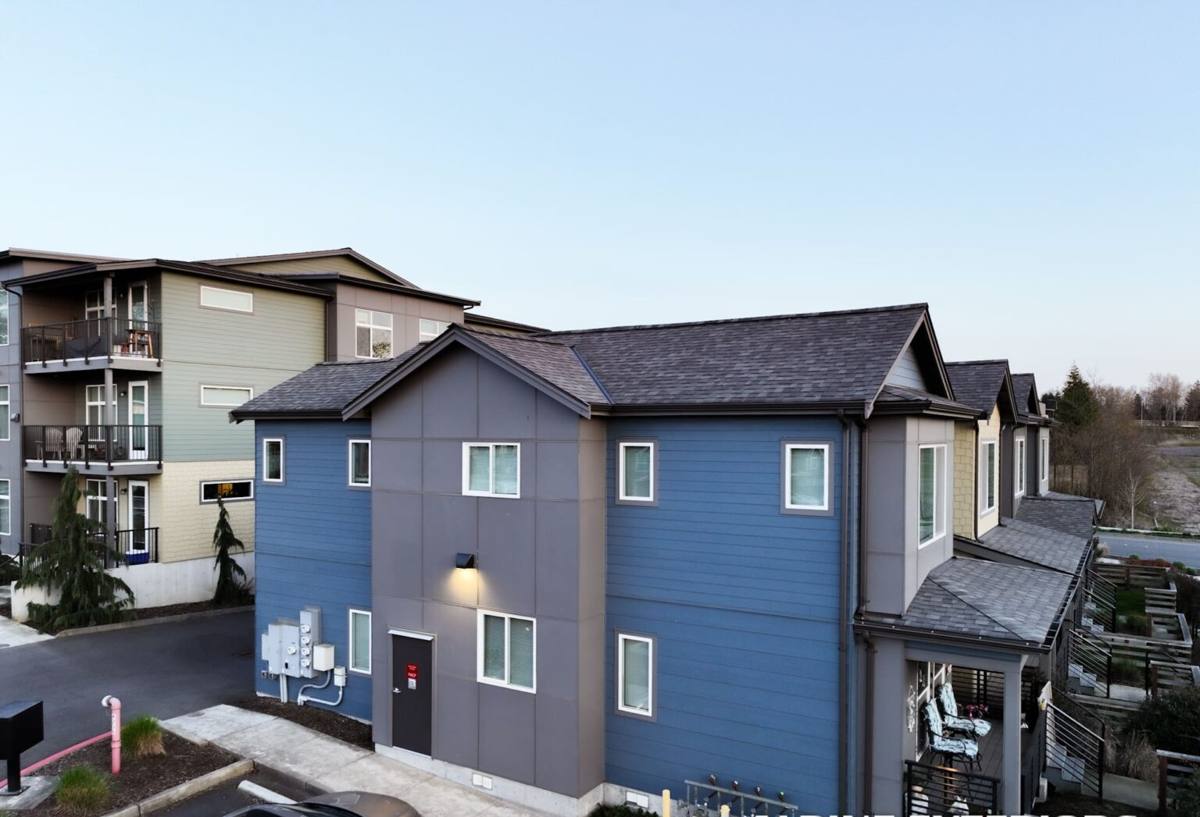
What the Local Conditions Actually Do to a Shingle Roof
Moss and Algae Growth
Shaded, north-facing slopes and anything under a tree canopy stay damp far longer after a storm than a sun-exposed roof. That damp organic layer is exactly what moss and algae need to take hold. Left alone, moss works under shingle tabs and lifts them, which is how a moss problem turns into a leak problem.
Granule Loss and Accelerated Aging
Constant moisture cycling — wet, damp, wet again — breaks down the asphalt mat faster than dry heat ever would. Granules wash off sooner, and a shingle rated for a long service life can fall well short of it if it's been sitting under trees with poor airflow.
Debris in Valleys and Around Penetrations
Needles, cones, and leaf litter collect in valleys, behind chimneys, and around vent pipes. That debris holds water against the roofing material and is one of the most common causes of leaks we find that have nothing to do with the shingles themselves failing — it's trapped moisture finding a weak seam.
Signs a Sudden Valley Roof Needs a Closer Look
- Dark streaking or green-black patches, especially on shaded slopes or under overhanging limbs
- Granules collecting in gutters or at downspout outlets
- Shingle edges curling, cupping, or lifting slightly at the tabs
- Soft or spongy spots when walking the roof, a sign the deck underneath is holding water
- Daylight or staining visible in the attic near valleys, chimneys, or plumbing vents
- Moss visibly bridging between shingle courses rather than sitting loosely on top
Any one of these on its own isn't an emergency. Several of them together, especially on a roof over ten or twelve years old, usually mean it's time for an honest inspection rather than another patch.
What a Correct Asphalt Shingle Install Actually Involves
Tear-Off and Deck Inspection
We don't install new shingles over old ones, and we don't recommend it on a roof that's had any moisture history. A full tear-off lets us see the actual deck condition — soft plywood, rot around penetrations, and old leak paths only show up once the old roofing is gone. Skipping this step just hides problems under a new layer of shingles.
Underlayment and Water Barrier Placement
Given how long moisture sits on shaded slopes here, underlayment choice matters more in Sudden Valley than it would in a drier climate. Valleys, eaves, and areas prone to ice damming get a self-adhering water barrier, with synthetic underlayment across the rest of the field for a consistent moisture barrier under the shingles.
Ventilation
A shaded, tree-covered roof needs to dry out through airflow since it isn't getting help from direct sun. Balanced intake at the eaves and exhaust at the ridge keeps the deck drying between rain events instead of staying damp for days, which is one of the biggest factors in how long moss takes to come back.
Flashing and Detail Work
Most leaks trace back to flashing, not the field shingles. Chimneys, skylights, sidewalls, and vent pipes all get new step flashing, counterflashing, or boots as part of a correct install — reusing old flashing to save time is where corners get cut and where roofs fail early.
Fastening and Wind Resistance
Correct nailing pattern and placement matter more than most homeowners realize, especially with the driving rain and wind gusts that move through this area during fall and winter storms. Manufacturer specifications call for a specific number of fasteners placed in a specific zone on each shingle — get that wrong and the shingle's wind rating drops significantly regardless of what's printed on the wrapper. We follow manufacturer fastening specs on every job, not a shortcut pattern, because a lifted or blown-off shingle is one of the fastest ways for driving rain to get under a roof system.
Choosing a Shingle for a Shaded, Moss-Prone Lot
There isn't one "best" shingle for every home, but some product characteristics matter more here than elsewhere. Homeowners should weigh these factors against their roof's actual sun exposure and tree cover rather than picking based on looks alone.
| Factor | Why It Matters in Sudden Valley |
|---|---|
| Algae-resistant (AR) granules | Copper- or zinc-infused granules slow algae and moss growth on shaded slopes — worth prioritizing on any roof with significant tree cover |
| Architectural vs. 3-tab profile | Thicker, laminated architectural shingles hold up better to prolonged moisture cycling and generally carry longer warranties than flat 3-tab shingles |
| Impact rating | Falling limbs and cones are a real consideration under mature trees; a Class 4 impact-rated shingle adds resistance without changing the roof's appearance |
| Ventilation compatibility | Some shingle warranties require specific balanced ventilation to stay valid — worth confirming before installation, not after |
| Warranty structure | Read what's prorated versus fully covered, and understand that improper installation can void manufacturer coverage regardless of the shingle's quality |
How We Handle a Sudden Valley Roofing Project
Site Assessment
Wooded lots often mean tighter driveway access, overhead limbs to work around, and slopes that need extra care for material staging and safe tear-off. We walk the property first, note what limbs or vegetation may need trimming back before work starts, and plan equipment placement accordingly rather than discovering access problems on install day.
Scheduling Around Weather
Bellingham's rain patterns mean we watch the forecast closely and stage a job so the deck isn't left exposed longer than necessary. On a shaded lot that dries slowly, that planning matters more than it would on an open, sun-exposed roof.
Cleanup on Wooded Properties
Tear-off on a tree-covered lot generates more debris to manage — old shingles mixed with needles and leaf litter. We run a magnetic sweep for nails and clear the yard and gutters of roofing debris before we call the job finished, not just the roof itself.
Maintenance That Actually Matters in This Microclimate
A well-installed roof in Sudden Valley still needs upkeep suited to a shaded, wooded setting. This is the short list worth actually doing:
- Clear needles and debris from valleys and gutters at least twice a year, more often under heavy conifer cover
- Have moss treated at the first sign of growth rather than waiting for it to spread across a slope
- Trim back limbs that overhang or touch the roof surface to cut down on shade, debris, and physical damage
- Check attic ventilation isn't blocked by insulation or debris, since airflow is doing a lot of the drying work here
- Have flashing around chimneys and vents inspected every few years, since these fail well before the shingles typically do
- Walk the gutter line after major storms to catch clogs before they back water up under the eaves
How Long a Roof Should Last in Sudden Valley's Conditions
Manufacturers rate most architectural shingles for a long service life under average conditions, but "average conditions" usually assumes a sun-exposed roof with decent airflow — not a shaded lot under mature trees. That doesn't mean a shingle roof is a poor choice here; it means the install details covered above — ventilation, algae-resistant granules, proper flashing and fastening — matter more toward hitting that rated lifespan than they would on an open lot across town. A properly ventilated roof that's kept clear of moss and debris will consistently outlast one installed the same way but left to sit under shade with clogged valleys. Regular upkeep, not a different product altogether, is usually what closes that gap.
Why Local Roofing Experience Matters Here
A crew that only works flat, open, in-town roofs will approach a Sudden Valley job the same way they'd approach any other — and that's how shaded slopes end up with the wrong ventilation setup or a shingle choice that wasn't built for constant moss pressure. Working this neighborhood regularly means understanding which slopes on a typical lot stay wet the longest, how tree cover affects material handling and access, and what actually causes leaks in homes built for this specific setting versus a roof out in open sun. We've seen what happens when a shaded lot gets a roof designed around open-sun assumptions, and it's usually moss and premature granule loss within the first few years. It also means knowing the realities of Whatcom County permitting and code requirements that apply to reroofing projects, so there are no surprises mid-project.
What Affects the Cost of a Sudden Valley Reroof
Every roof is priced on its own specifics, but a few factors consistently move the number on wooded, shaded lots like these:
| Factor | How It Affects the Project |
|---|---|
| Deck condition | Rot or soft plywood found during tear-off requires replacement sheathing, which adds material and labor |
| Roof access | Tight driveways, steep slopes, or limited staging space under trees can add setup time |
| Number of penetrations | More chimneys, skylights, and vent pipes mean more flashing work, which is labor-intensive regardless of shingle choice |
| Shingle tier | Standard architectural shingles, upgraded algae-resistant lines, and impact-rated products carry different material costs |
| Existing layers | A roof with more than one existing layer requires additional tear-off labor and disposal |
We'll walk through all of this on-site so the estimate reflects your actual roof, not a generic square-footage guess.
If your roof is showing moss, granule loss, or you just want an honest read on where it stands, we'd be glad to take a look. Fill out the form below for a free, no-pressure estimate on your Sudden Valley home.