 Bellingham Exterior
 Why Barkley Homes Need More Than a Standard Siding Job
Barkley's exterior conditions aren't unusual for Whatcom County, but they are demanding, and that combination of salt air, driving rain, and a moss season that runs longer than most homeowners expect adds up over the years in ways a single dry summer never reveals. A siding system that looks fine on install day can still be the wrong choice for this specific set of conditions if it wasn't engineered and detailed for sustained moisture exposure. That's the gap we focus on closing on every Barkley project: not just putting siding on a wall, but putting the right siding on correctly, with the flashing, clearances, and fastening details this climate actually requires.
This page is specifically about James Hardie fiber cement siding installed on Barkley homes — what the climate demands of it, what a correct installation actually involves, and how our process is built around getting it right the first time.
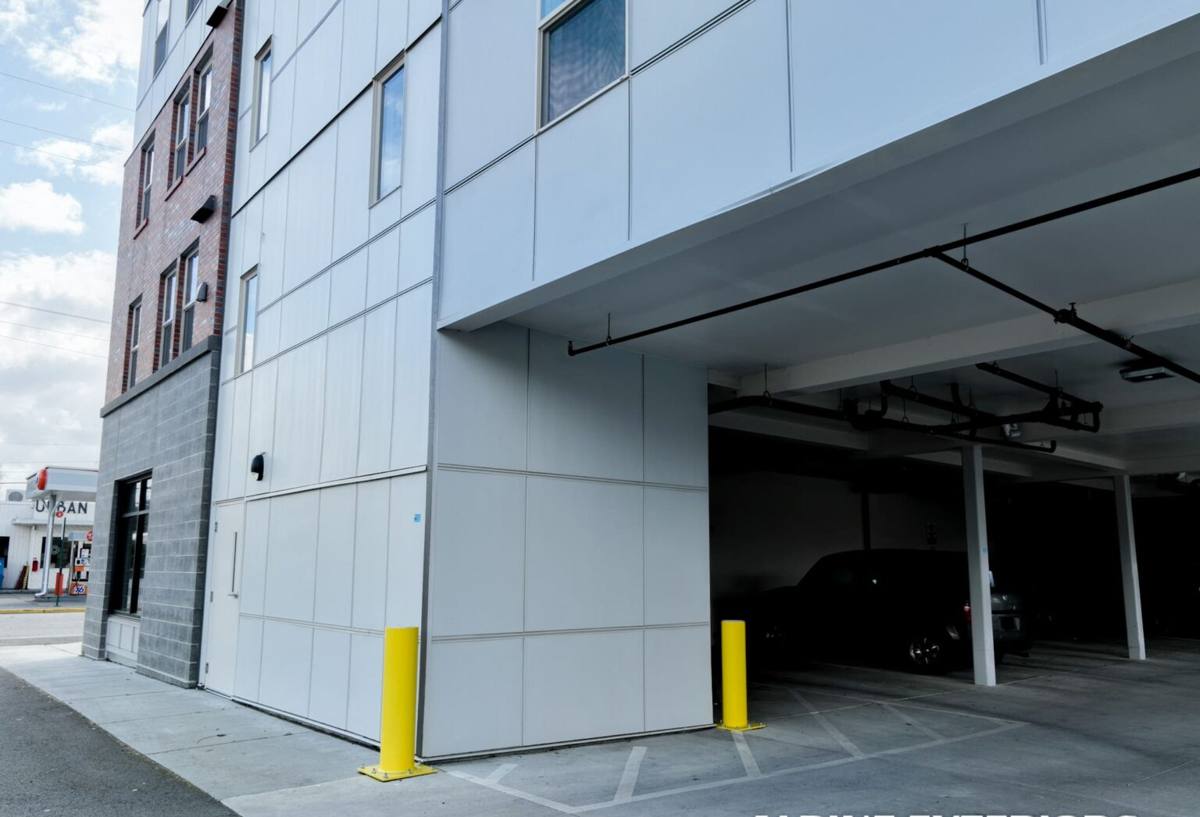
What Salt Air, Driving Rain, and Moss Do to Siding Over Time
Salt-laden air off the water accelerates the breakdown of exposed fasteners and hardware and keeps painted or coated surfaces damp longer than they'd stay in a drier inland setting. That constant dampness shortens the useful life of any finish that isn't built to shed water and resist corrosion over decades, not just a season or two.
Driving rain compounds the problem. Wind-driven water doesn't run straight down a wall the way rain does in calmer climates — it gets pushed sideways into laps, seams, and fastener penetrations that a fair-weather installation wouldn't need to account for as carefully. On a Barkley home, flashing details and clearance gaps that would be adequate somewhere drier become the difference between a wall assembly that stays dry and one that slowly takes on water behind the surface.
Moss is the third factor, and it's often underestimated. Shaded walls, north-facing exposures, and anything near mature trees stay damp for long stretches through fall, winter, and spring — exactly the conditions moss needs to take hold. On moisture-absorbent siding materials, that ongoing dampness isn't just a staining issue; it's a path to swelling, softening, and rot at panel edges and seams over time.
Why James Hardie Fiber Cement Is What We Install
We install James Hardie fiber cement siding exclusively. We don't install vinyl, LP SmartSide, primed spruce, cedar, or competing fiber cement brands, and that's a professional standard, not a limitation on what we're capable of doing. The materials that tend to struggle in a climate like this one share a common weakness: they either absorb moisture directly, rely on a field-applied or factory coating to keep water out indefinitely, or expand and contract enough with temperature and humidity swings that seams gradually work loose.
James Hardie fiber cement is built specifically to resist that. It's non-combustible, it doesn't swell, rot, or feed moss growth the way wood-based products can, and its ColorPlus factory finish is baked on under controlled conditions with a warranty against the fading and chalking that constant moisture and UV cycling cause elsewhere. Hardie also engineers climate-specific HZ product formulations rather than one generic board for every region, and specifying the correct HZ configuration for a damp, salt-influenced climate is part of what a correct installation on a Barkley home actually requires.
What This Means for a Barkley Property Specifically
- Exposure varies by wall orientation and tree cover — a shaded north wall needs different drainage attention than a sun-exposed south wall on the same house.
- Proximity to water increases the corrosion risk on fasteners and trim hardware, which affects what fastening materials and coatings we specify.
- Long damp stretches mean caulked joints and butt seams need to be detailed to shed water, not just look sealed on installation day.
- Existing moss or algae staining on the current siding is a signal worth reading before replacement — it usually points to drainage or clearance issues that need correcting, not just covering over.
What a Correct James Hardie Installation Involves
Fiber cement siding performs the way it's engineered to only when it's installed to Hardie's actual specifications. That's true everywhere, but it matters more in a climate that gives water more chances to find a mistake. A correct installation on a Barkley home includes:
Substrate and Moisture Barrier
Before any siding goes on, the wall sheathing gets inspected for existing rot or moisture damage, and a code-compliant weather-resistive barrier is installed correctly lapped, shingle-style, so water is directed out and down rather than trapped behind the new siding.
Clearances and Flashing
Hardie specifies minimum clearances from grade, roof lines, decks, and other trim elements, and those clearances exist specifically to keep splashback and wind-driven rain from wicking into the bottom edge of the panels. Flashing at windows, doors, and any horizontal trim intersection has to be installed in the correct order relative to the water-resistive barrier — get the sequence wrong and the flashing does nothing.
Fastening
Corrosion-resistant fasteners, driven at the correct depth and location on the panel, are non-negotiable in a salt-air environment. Overdriven or underdriven fasteners are one of the most common causes of premature siding failure, and they're also one of the easiest things for an inexperienced crew to get wrong under time pressure.
Joints and Caulking
Butt joints, seams, and trim intersections need to be detailed so they shed water rather than rely entirely on caulk to keep it out. Caulk is a backup, not the primary defense, in a climate with this much sustained rain exposure.
Factory Finish Integrity
Cut edges get properly primed and sealed in the field so the factory ColorPlus finish's warranty protection isn't compromised at every trim cut and corner — a step that's easy to skip and impossible to see once the job is finished.
Our Process for a Barkley Project
| Step | What Happens |
|---|---|
| Assessment | We walk the property, check current siding and substrate condition, and note wall-specific exposure factors like shade, tree cover, and proximity to water. |
| Product Specification | We select the correct Hardie product line and HZ formulation, profile, and color for the home and its exposure. |
| Tear-Off and Substrate Repair | Old siding comes off, sheathing is inspected, and any rot or moisture damage found underneath is repaired before anything new goes on. |
| Weather Barrier and Flashing | Barrier and flashing are installed in the correct sequence at every window, door, and trim intersection. |
| Installation | Panels are installed to Hardie's fastening, clearance, and joint specifications, not shortcut versions of them. |
| Final Detailing | Cut edges are sealed, caulking is completed where specified, and the finished work is walked and reviewed with the homeowner. |
Cost Factors Specific to a Barkley Home
Every property is different, so we won't quote a number without seeing the home, but the factors that move a Barkley project's cost up or down tend to be consistent:
| Factor | Why It Matters Here |
|---|---|
| Substrate condition | Rot or moisture damage found under old siding adds repair scope before new siding can go on correctly. |
| Wall complexity | Dormers, multiple trim details, and cut-up wall lines take more labor and material than a simple rectangular elevation. |
| Product line and profile | Lap width, texture, and HZ formulation all affect material cost. |
| Color | ColorPlus factory colors versus field-applied paint carry different cost and long-term maintenance tradeoffs. |
| Access and site conditions | Tree cover, tight lot lines, and multi-story walls affect staging and labor time. |
Checklist: What to Confirm Before Hiring Anyone for Barkley Siding Work
- Current Washington state contractor license and active insurance
- Specific James Hardie installation experience, not just general siding experience
- A clear answer on which HZ formulation they'd specify for your property and why
- How they handle flashing sequencing at windows, doors, and trim — not a generic answer
- Whether they inspect and repair substrate issues before installing new siding, rather than covering them over
- A written scope that names clearances, fastening approach, and product line specifics
Why Local Experience in Barkley Matters
A crew that already works Whatcom County homes has seen how salt air, driving rain, and moss actually play out on real walls in this specific area — which orientations hold moisture longest, which details tend to get missed on a rushed job, and which clearance and flashing choices actually hold up over years rather than just passing a final walk-through. That's the experience we bring to every Barkley project, and it's the reason we've standardized on one siding system we fully trust rather than offering a menu of cheaper alternatives that tend to shift maintenance costs back onto the homeowner within a decade or two.
Get a Free, No-Pressure Estimate
If you're considering new siding for a Barkley home, we're happy to walk the property, look at what your walls are actually dealing with, and give you a straightforward estimate for a correctly installed James Hardie system — no pressure, no generic quote pulled from a price sheet.