 Bellingham Exterior
 Storm Damage Roof Repair Built for Birch Bay's Exposure
Birch Bay sits right on the water, and that changes what a storm does to a roof compared to a home a few miles inland. Wind has open fetch across the bay to build speed before it ever reaches a roofline, salt-laden air works on exposed metal and fasteners year-round, and driving rain gets forced sideways and upward under shingle edges rather than simply running off. Add in a long moss season that quietly weakens a roof's defenses before a storm ever shows up, and you have a combination of stresses that a generic repair approach isn't built to handle.
This page focuses specifically on storm damage roof repair for homes in Birch Bay — what actually counts as storm damage, what a correct repair involves, how insurance typically factors in, and how we run the job from the first call to final cleanup.
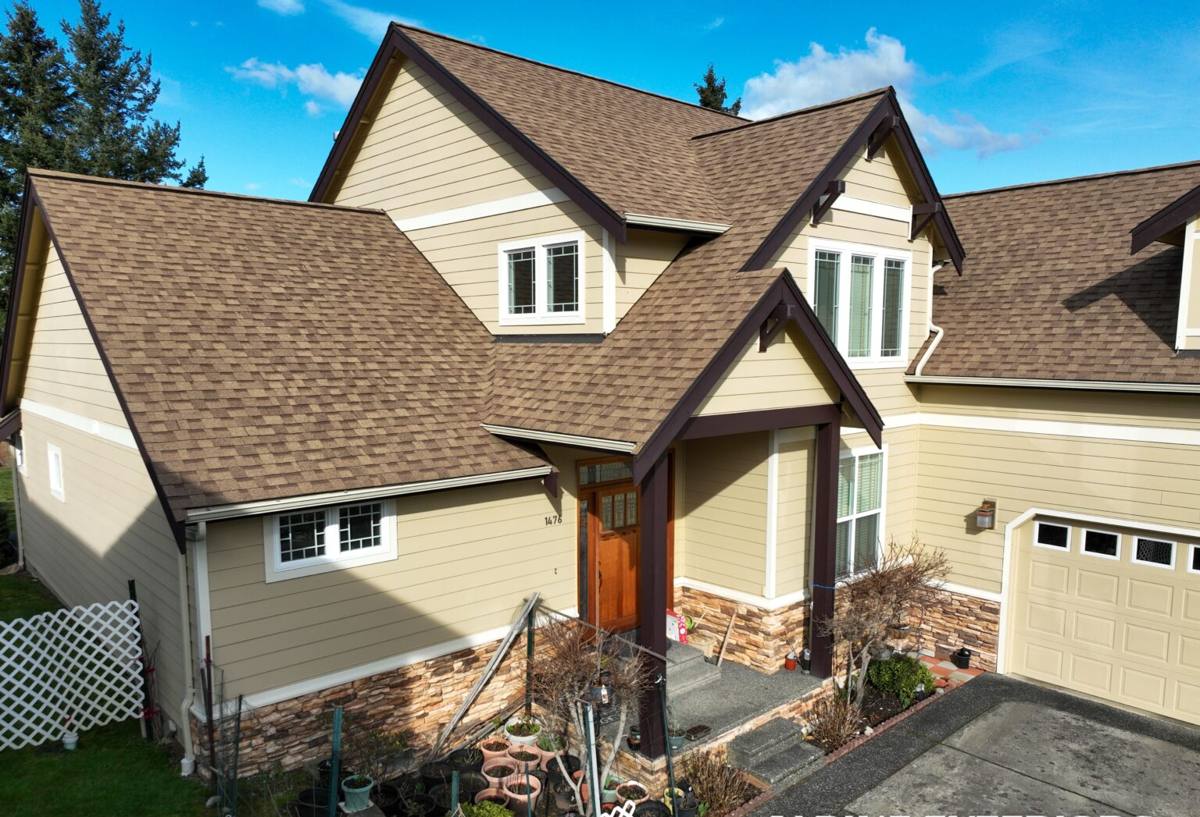
Why Birch Bay's Weather Makes Storm Damage Worse
The same storm can leave very different damage on a Birch Bay roof than it would a few miles away, simply because of how exposed the property is to open water and wind.
Wind Exposure Off the Water
Homes closer to the shoreline or on elevated, open lots take a more direct hit from gusts than roofs tucked behind trees or other structures. That means fastener pull-through and lifted shingle edges show up here in situations where a more sheltered roof might come through the same storm untouched.
Salt Air and Long-Term Corrosion
Salt-tinged marine air speeds up corrosion on exposed nail heads, flashing metal, and gutter hardware over time. A roof that's already a few years into that slow corrosion process is more vulnerable to storm damage than a newer roof with fresh, uncorroded metal — the storm often just finishes what years of salt exposure already started.
Moss Season Sets Up Weak Spots Before a Storm Hits
Whatcom County's long damp season gives moss and algae time to take hold on shaded or north-facing roof planes. Moss holds moisture against the shingle surface and can lift edges over time, which means those areas are often the first place wind and rain find an opening during a storm — the damage looks sudden, but the vulnerability was months in the making.
What Actually Counts as Storm Damage
Not all storm damage is obvious from the ground, and homeowners sometimes miss real damage because they're only looking for missing shingles. A proper inspection after a storm covers a wider range of issues.
- Wind-lifted or torn-off shingles: The most visible form of damage, often concentrated on the windward side of the roof or around ridges and edges.
- Granule loss: Wind and hail can strip protective granules from shingle surfaces, which accelerates aging even where the shingle itself hasn't come loose.
- Flashing displacement: Flashing around chimneys, valleys, and wall intersections can shift or separate under wind load without a single shingle being disturbed.
- Debris impact: Branches and wind-blown debris can puncture or crack shingles, particularly on properties with mature trees nearby.
- Gutter and fascia damage: Wind-driven rain and debris commonly damage gutters, downspouts, and fascia boards at the same time as the roof surface.
- Hidden deck or underlayment saturation: Water forced under shingles during a storm can soak underlayment or the roof deck itself without ever producing a visible interior leak right away.
That last category is the one that causes the most trouble down the road. A roof can look mostly fine from the driveway after a storm and still have saturated decking underneath that leads to rot or a delayed leak weeks or months later.
What a Correct Storm Damage Repair Involves
Storm repair isn't just patching what's visibly broken. Done right, it's a sequence of steps that protects the home immediately and then addresses both the obvious and hidden damage.
Emergency Tarping and Mitigation
When a roof has active exposure — missing shingles, a hole, or displaced flashing — the first priority is stopping water from getting into the home, not scheduling a full repair for next week. A properly installed tarp, secured correctly rather than just draped and weighted down, buys time to do the repair right instead of rushing it.
Full Inspection, Not Just a Patch
Storm damage rarely stays contained to the spot that's obviously broken. A correct repair starts with checking the whole roof plane, the attic for signs of water intrusion, and the areas around the damage for wind uplift that hasn't fully failed yet but is weakened and likely to fail in the next storm.
Matching Materials and Proper Reinstallation
Replacement shingles need to match the existing roof as closely as possible in profile and color, and they need to be fastened and lapped to the same standard as the rest of the roof — not just nailed down fast to close the job. Flashing that's been displaced gets reset and re-integrated with the underlayment rather than sealed over with caulk as a shortcut.
Documentation for Insurance
Photos of the damage before repair, a written scope of work, and clear before-and-after documentation make a real difference if the repair is going through a homeowners insurance claim. We document what we find as a matter of course, whether or not a claim ends up being filed.
Repair or Replace? What Determines the Right Call
Not every storm-damaged roof needs to be replaced, and not every roof can be responsibly patched back together. The right call usually comes down to a handful of factors.
| Situation | Typical Direction |
|---|---|
| Isolated wind-lifted shingles on a roof under 10 years old | Targeted repair is usually sufficient |
| Scattered granule loss and a few damaged shingles on an otherwise sound roof | Spot repair, with monitoring for further wear |
| Widespread shingle damage across multiple roof planes | Full or partial replacement often makes more sense than extensive patching |
| Storm damage found alongside pre-existing moss or moisture damage during inspection | Replacement is frequently the more honest long-term answer |
| Roof already near the end of its expected lifespan before the storm | Worth weighing repair cost against remaining useful life |
We'll always tell you plainly which category a given roof falls into and why, rather than defaulting to the more expensive option or patching something that genuinely needs to come off.
Working With Your Insurance Company
Most homeowners policies cover sudden wind and storm damage, though coverage details, deductibles, and exclusions vary by policy and by carrier, so we're not going to tell you what your specific policy covers — that's a conversation with your insurer or agent. What we can do is document the damage thoroughly, provide a clear written scope and estimate, and be available to talk with your adjuster if that's useful during the claims process.
One thing worth knowing: after any significant regional storm, it's common for traveling repair crews to move through affected areas offering fast, low-pressure-sounding inspections. Some are legitimate. It's worth being cautious of anyone pushing you to sign a contract or an insurance assignment on the spot, before you've had time to get a second opinion or verify who you're actually working with.
How Our Process Works
- Prompt inspection: We come look at the roof in person as soon as reasonably possible after a storm, including the attic where accessible, not just a walk-around from the ground.
- Emergency mitigation if needed: If there's active water intrusion risk, we address that first with proper tarping before anything else.
- Written scope and estimate: You get a clear, itemized breakdown of what's damaged and what the repair involves, with photo documentation.
- Insurance coordination: If you're filing a claim, we'll provide documentation and answer an adjuster's questions about the scope of the damage and repair.
- Repair work: Matching materials, correct fastening, and flashing integration done to the same standard as a full roof install, not a rushed patch.
- Final walkthrough: We review the completed repair with you and do a site and debris cleanup sweep before calling the job done.
Why Hiring a Crew That Already Works in Birch Bay Matters
A crew that regularly repairs storm damage in Birch Bay has already seen how wind off open water tends to concentrate damage on certain roof orientations, how salt air accelerates corrosion on flashing and fasteners that look fine at a glance, and which roof planes hold moss long enough to weaken shingles before a storm even arrives. That's the kind of practical knowledge that shapes real decisions on a roof, not something a crew passing through the area for the first time after a storm is likely to know.
It also matters afterward. A repair is only as good as the workmanship warranty behind it, and that warranty only means something if the company is still around and reachable in Whatcom County next year, not a crew that worked the region for one storm season and moved on.
A Practical Checklist Before You Choose a Storm Repair Contractor
- Do they inspect in person, including the attic where accessible, rather than estimating from photos alone?
- Does the estimate separate emergency mitigation from the permanent repair scope?
- Will they document damage with photos, whether or not you end up filing an insurance claim?
- Do they carry current WA contractor licensing, liability insurance, and workers' compensation?
- Can they point to an established, ongoing presence working in or near Birch Bay?
- Is the workmanship warranty on the repair spelled out clearly and separately from the manufacturer's material warranty?
Signs Your Birch Bay Roof May Need a Storm Damage Inspection
Some storm damage is obvious right away. Some takes weeks to show up as a leak, and by then it's often more than a simple patch.
- Shingles missing, cracked, or visibly lifted after a windy stretch
- A noticeable increase in granules collecting in gutters or at downspout outlets
- New water staining on ceilings or in the attic following a storm
- Flashing that looks bent, separated, or loose around chimneys or roof-wall intersections
- Damaged or disconnected gutters and downspouts after heavy wind
- Soft spots or noticeable sagging along the roofline
If you're seeing any of this after a storm, it's worth having the roof looked at promptly rather than waiting to see if it gets worse on its own.
If you'd like an honest, no-pressure look at storm damage on your Birch Bay roof and a written estimate you can actually compare against anything else you've received, we're glad to come take a look. Use the form below to request a free estimate.