 Bellingham Exterior
 Siding Installation for Birchwood Homes
Birchwood is one of Bellingham's older, established residential pockets, with a real mix of home ages and siding conditions — some houses still wearing original wood or early vinyl, others carrying siding that was never quite matched to what this part of Whatcom County actually demands. When we install siding in Birchwood, we're not treating it as a generic Bellingham job. The tree cover, the proximity to Bellingham Bay, and the age of the housing stock in this neighborhood all shape how a siding system needs to be built and maintained.
This page is specifically about siding installation for Birchwood properties — what the climate does to siding here, what a correctly installed system looks like, and how our process is built around getting it right the first time.
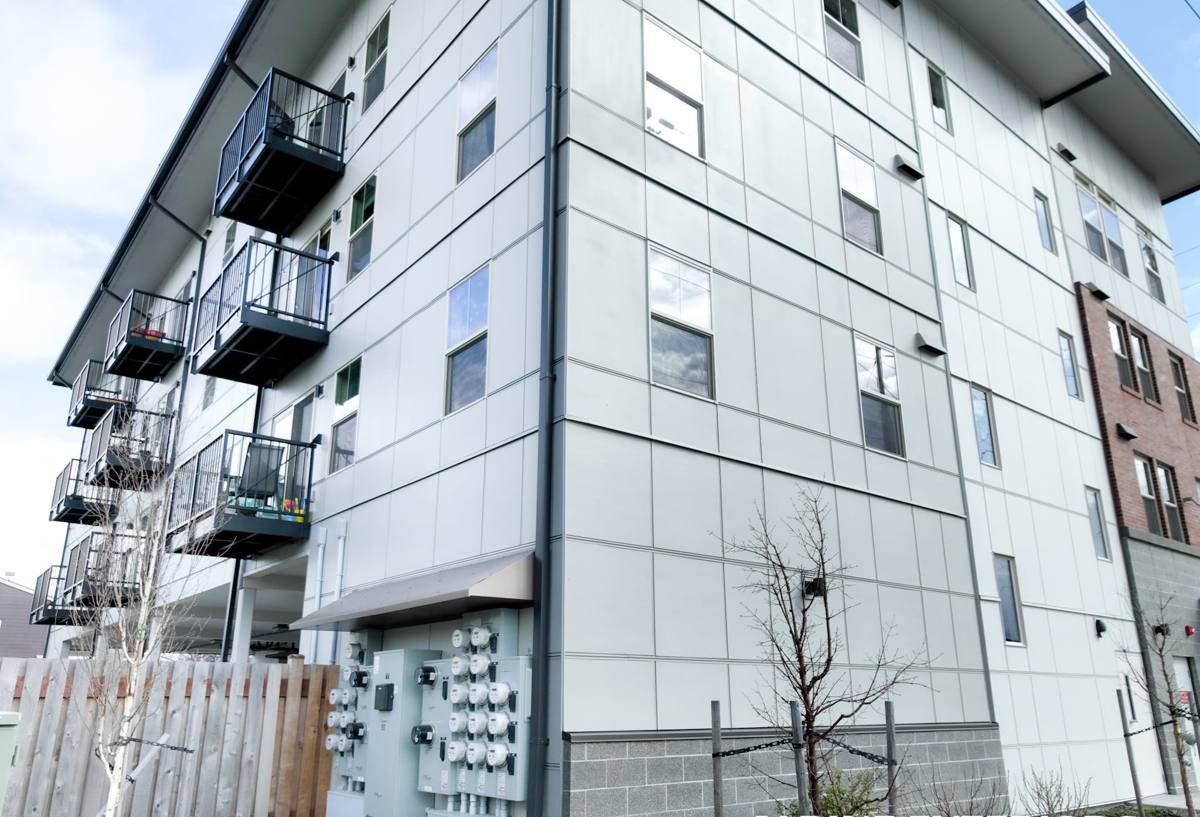
What Bellingham's Climate Does to Siding
Whatcom County sits in a temperate rainforest zone, and Birchwood gets the full effect of that. A few climate factors matter more here than almost anywhere else in Washington:
Salt Air
Bellingham Bay isn't far from any part of the city, and salt-laden air moves inland with the marine weather patterns that dominate this region. Salt air accelerates corrosion on exposed fasteners, staples, and any metal flashing or trim that isn't properly protected. Siding materials and hardware that aren't rated for coastal exposure break down faster here than they would inland.
Driving Rain
Bellingham doesn't just get a lot of rain — much of it arrives sideways, pushed by wind off the Sound and the Strait of Georgia. Driving rain finds every gap, seam, and poorly lapped joint in a siding system. Vertical rain is forgiving of small installation mistakes; wind-driven rain is not. It gets behind panels, into fastener holes, and under trim that wasn't flashed correctly.
Moss Season
Between the tree canopy common in Birchwood and the long stretch of wet, low-light months from fall through spring, moss and algae growth on north- and shade-facing walls is a near-constant issue. Moss holds moisture against the siding surface for extended periods, which is exactly the condition that causes rot in wood-based products and finish failure in lower-grade materials.
Put together, these three factors mean Birchwood homes need a siding system that resists moisture intrusion, tolerates being wet for long stretches without breaking down, and holds its finish without constant re-coating.
Why We Only Install James Hardie Fiber Cement
We standardized on James Hardie fiber cement siding for every home we work on, including in Birchwood, because it's built to handle exactly the conditions described above. Fiber cement is non-combustible, dimensionally stable, and doesn't absorb and swell with moisture the way wood-based or wood-adjacent products can. James Hardie's HZ5 product line in particular is engineered for the cold, wet, high-moisture climates found in the Pacific Northwest.
The factory-applied ColorPlus finish matters just as much as the substrate. It's baked on under controlled conditions and backed by its own warranty against fading and peeling — which is a real advantage in a climate where field-applied paint has to fight moss, moisture, and UV cycling year-round. We're not installing a product and hoping it holds up to a Whatcom County winter; we're installing a product line that was engineered for this specific kind of weather.
We don't install vinyl, LP SmartSide, primed spruce, cedar, or other fiber cement brands like Cemplank or Allura. That's not a knock on every homeowner's past choice — plenty of those products perform fine in the right climate and with the right maintenance. It's that after years of doing this work in Bellingham's marine climate, James Hardie is the one system we're willing to stand behind and warranty our labor on.
What a Correct Installation Actually Involves
Siding installation is often sold as a cosmetic upgrade, but the siding itself is only part of the system. Most siding failures we see in this region trace back to installation shortcuts, not the material. A correct James Hardie installation in a climate like Birchwood's involves:
- Weather-resistive barrier: A continuous, properly lapped water-resistive barrier behind the siding, installed shingle-style so water sheds outward rather than working its way in.
- Flashing at every penetration: Windows, doors, hose bibs, light fixtures, and vents all need proper head flashing and drip caps — the details that stop driving rain from finding a way behind the siding.
- Correct fastener spacing and type: James Hardie specifies fastener type, spacing, and placement for a reason; over-driven or improperly placed nails void the warranty and create entry points for moisture.
- Proper clearances: Siding needs a minimum gap above roof lines, decks, and grade — a detail that's frequently ignored and one of the most common causes of rot at the bottom edge of a wall.
- Caulking and sealant only where specified: Over-caulking traps moisture in places it should be able to drain out; James Hardie's install guidelines are specific about where sealant belongs and where it doesn't.
- Panel gaps for expansion: Fiber cement is dimensionally stable, but it still needs the gaps specified by the manufacturer to handle seasonal movement without buckling.
Skip any one of these and you can end up with a wall that looks fine for a year or two, then starts showing moisture damage — often after the labor warranty from whoever installed it has already lapsed.
Our Process, Start to Finish
1. On-Site Assessment
We walk the property and look at the existing siding, the sheathing underneath where accessible, and the areas most exposed to wind-driven rain and shade-driven moss growth — typically north and west-facing walls in a neighborhood like Birchwood.
2. Tear-Off and Substrate Check
Old siding comes off down to the sheathing. This is the point where hidden moisture damage, if any exists, actually gets found and dealt with — not covered over. Any compromised sheathing gets repaired before anything new goes on the wall.
3. Weather Barrier and Flashing
A new, continuous water-resistive barrier goes on first, followed by flashing at every window, door, and penetration. This layer does most of the real work of keeping a Bellingham winter out of your walls — the siding itself is the second line of defense, not the first.
4. James Hardie Panel or Lap Installation
Siding goes up per James Hardie's fastening schedule and clearance specs, with attention to the details — expansion gaps, corner treatments, and butt joint placement — that determine how the wall performs in year five and year fifteen, not just on install day.
5. Trim, Caulking, and Final Detailing
Trim boards, corner posts, and any remaining sealant points are finished last, followed by a final walk-through.
6. Cleanup and Walk-Through
Site is cleared of debris and old material, and we walk the finished job with the homeowner before calling it done.
Comparing Siding Options for a Climate Like Birchwood's
| Factor | Vinyl | Wood / Primed Spruce | James Hardie Fiber Cement |
|---|---|---|---|
| Moisture resistance | Doesn't absorb water, but can trap it behind panels | Absorbs moisture; prone to rot in constant damp conditions | Doesn't absorb or swell; engineered for wet climates (HZ5) |
| Salt air / coastal exposure | Can become brittle and discolor over time | Finish breaks down faster near salt air | Fiber cement substrate unaffected; factory finish holds up |
| Moss and algae resistance | Moss grows on surface; can trap moisture at seams | Moss holds moisture against wood, accelerating rot | Doesn't feed rot; surface can be cleaned without damaging substrate |
| Finish longevity | Color molded in; can fade unevenly | Needs repainting every few years | ColorPlus factory finish, separately warrantied against fading/peeling |
| Fire resistance | Can melt or warp under heat exposure | Combustible | Non-combustible |
Signs Birchwood Homeowners Should Watch For
Because moisture damage in this climate often starts hidden behind the siding, the visible warning signs matter. If you notice any of the following, it's worth having the siding looked at before it becomes a bigger repair:
- Persistent moss or algae growth that returns quickly after cleaning
- Soft, spongy, or bubbling spots on wood or composite siding
- Paint that's peeling, especially in sheets rather than fine cracking
- Visible gaps, warping, or buckling at panel seams
- Rust streaks running down from fasteners or trim
- Musty smell or visible staining on interior walls that share an exterior wall
- Siding that flexes or feels hollow when pressed near the base of the wall
Why a Local Crew Matters
Siding installation guidance is national — James Hardie's fastening and clearance specs don't change by zip code. What changes is judgment: where to expect the worst wind-driven rain exposure on a given lot, which walls in a shaded, tree-heavy area like Birchwood need extra attention to moss and moisture, and how to sequence a job around Whatcom County's wet season instead of fighting it. A crew that works this neighborhood regularly has already seen how these homes age and where problems tend to start, which shapes decisions on-site that a generic installation crew from outside the region wouldn't think to make.
Local presence also matters for warranty follow-through. If a question comes up two or five years after installation, you're calling a company that's still working in your neighborhood, not chasing down a crew that came through once and moved on.
Maintenance After Installation
James Hardie siding is low-maintenance, not no-maintenance. In a climate like Bellingham's, a simple annual routine keeps it performing the way it's supposed to:
- Rinse the exterior annually, focusing on shaded, moss-prone walls
- Keep gutters clear so water isn't overflowing directly onto siding runs
- Trim back vegetation and tree limbs that keep walls shaded and damp
- Inspect caulking at trim and penetrations every couple of years and touch up as needed
- Address any impact damage or fastener issues promptly rather than letting water find a way in
That level of upkeep is a fraction of what wood siding demands, and it's the reason fiber cement holds its warranty value so much better over the long run in a wet climate like this one.
Get a Free Estimate for Your Birchwood Home
If you're weighing a siding replacement in Birchwood, we're happy to come take a look, walk the property with you, and give you a straightforward, no-pressure assessment of what your home actually needs. Use the form below to request a free estimate.