 Bellingham Exterior
 Windows in Birchwood Take a Different Kind of Beating
Birchwood sits close enough to the water and the wooded lowland terrain around Bellingham that its homes deal with a specific combination of weather stress most inland Whatcom County neighborhoods don't see in the same mix. Salt-tinged air moving off Bellingham Bay works into aluminum hardware and steel fasteners over time. Driving rain off the Strait pushes water sideways into gaps that would stay dry in a calmer climate. And the long, wet moss season that runs from fall through spring keeps humidity sitting against exterior surfaces for months at a stretch. Windows are one of the first places all three of those show up — as fogged glass, soft trim, sticking sashes, or a draft that wasn't there five years ago.
We work Birchwood regularly, not as a one-off service call from across the county. That matters for window replacement specifically, because the right approach here isn't the same as what a crew would spec for a dry inland property or a full-sun exposure. It's a wet-climate installation from the flashing up.
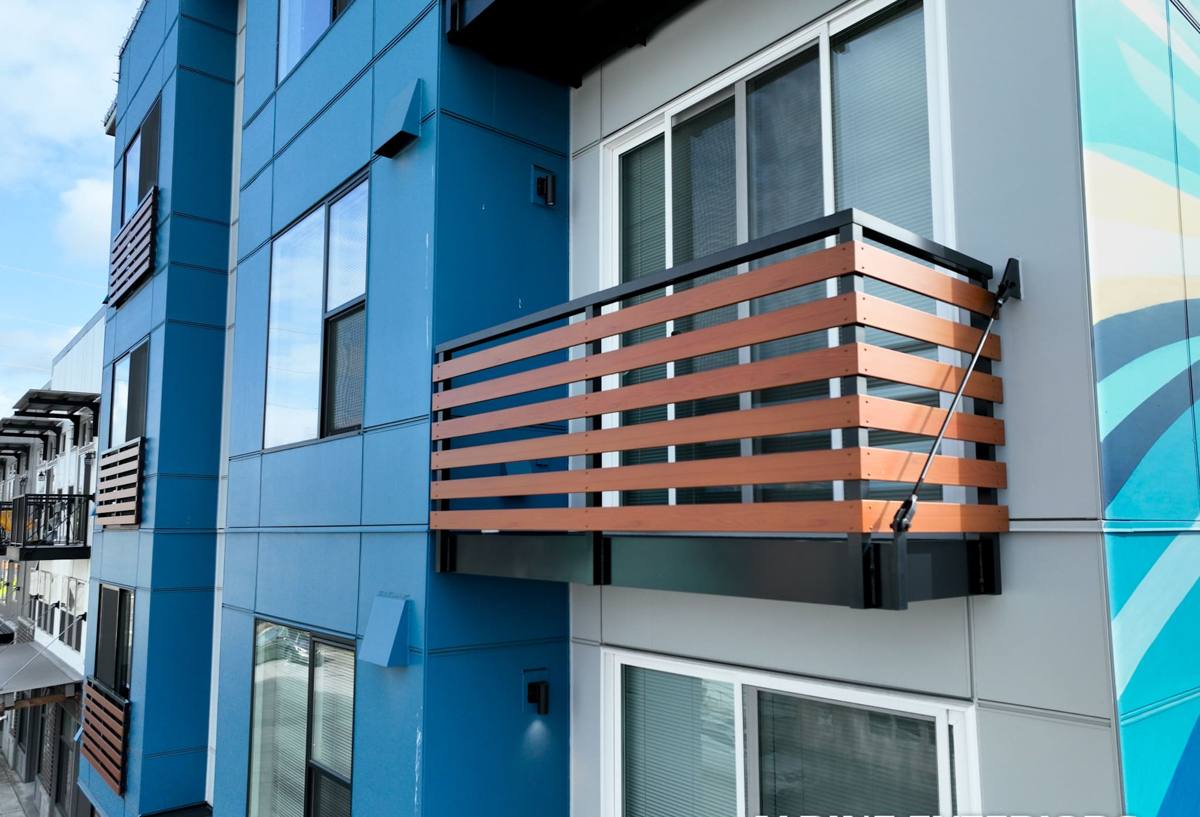
What Bellingham's Climate Actually Does to a Window Over Time
Moisture Intrusion
Wood-framed and older vinyl windows in this area are vulnerable at the same points: the bottom corners of the frame, the sill, and wherever the original flashing or sealant has aged past its service life. Once water gets behind the frame, it doesn't dry out quickly in our climate — the air itself stays damp for long stretches, so trapped moisture sits there working on the framing and the wall assembly behind it.
Seal and Gasket Failure
Rubber and vinyl seals harden and shrink with repeated wet-dry cycling and UV exposure, even under our cloud cover. Once a seal loses its flex, wind-driven rain finds its way past it. A window that used to shed water fine can start leaking after a decade or two purely from seal fatigue, with no other damage visible from outside.
Moss and Organic Growth
Moss doesn't just grow on roofs here — it colonizes any exterior surface that stays damp and shaded long enough, including window sills, trim, and the caulk lines around frames. Once it takes hold, it holds moisture directly against the material underneath, which accelerates wood rot and breaks down sealant faster than plain rain exposure would.
Corrosion of Hardware
Locks, hinges, balance systems, and screws in older windows are often steel or lower-grade aluminum. Salt-laden coastal air speeds up corrosion on unprotected metal, which is why older single-hung and slider hardware in this area tends to stiffen up or fail well before the glass or frame does.
Signs a Birchwood Home Needs Window Replacement, Not Just Repair
- Fogging or a visible haze between the panes of a double-pane window — the seal has failed and the gas fill is gone
- Soft, spongy, or discolored wood at the sill or lower corners of the frame
- Windows that are difficult to open, close, or lock, especially after damp weather
- Visible gaps, drafts, or daylight around the frame when the window is closed
- Moss or dark staining building up in the corners of the frame or along the sill
- A noticeable jump in heating costs with no other explanation
- Condensation forming on the inside of the glass regularly during colder months
Some of these are legitimate repair situations — a failed balance spring or a worn weatherstrip doesn't always mean the whole unit needs to go. But once moisture has reached the frame material itself, repair becomes a temporary patch rather than a fix, and replacement is the more honest answer.
What a Correct Installation Looks Like in This Climate
The window unit itself matters less than most homeowners assume — a decent window installed poorly will leak, and a mid-grade window installed correctly will outperform it for years. In a climate that sees this much sideways rain, the installation details are where the job is actually won or lost.
Flashing and Water Management
Every replacement window needs proper flashing integrated with the existing wall's water resistive barrier, not just caulk around the edges. Sill pans that direct any water that does get past the window back out, rather than into the wall cavity, are especially important on exposures that take direct rain.
Sealing That's Built for Wet-Dry Cycling
We use sealants and backer rod rated for sustained exposure and repeated moisture cycling, not a bead of general-purpose caulk. Where the old window shows signs the original sealant failed early, we treat that as a signal to check the sheathing behind it before closing anything up.
Frame Material Suited to Coastal Air
For a neighborhood with salt-air exposure, hardware and frame components that resist corrosion are worth the modest upfront difference. We'll walk you through the honest trade-offs between vinyl, fiberglass, and wood-clad options for your specific exposure rather than pushing one material as universally best — each has real maintenance and moisture-behavior differences worth understanding before you decide.
Proper Fit and Shimming
An improperly shimmed window puts uneven stress on the frame, which opens gaps over time even with good sealant. Getting the unit level, plumb, and square before it's fastened is a basic step that gets rushed on lower-quality installs — it shouldn't be.
Comparing Window Frame Options for a Birchwood Home
| Frame Material | Moisture Resistance | Maintenance | Typical Fit for Birchwood |
|---|---|---|---|
| Vinyl | Good — won't rot, low water absorption | Low — occasional cleaning | Solid all-around choice for most exposures; budget-friendly |
| Fiberglass | Very good — dimensionally stable in wet-dry cycling | Low | Strong option for direct-rain or high-exposure walls |
| Wood-clad | Depends heavily on clad quality and installation | Higher — cladding seams need monitoring | Best where interior wood aesthetics matter; needs a careful installer |
| Aluminum | Poor in coastal salt air without upgraded finish | Moderate to high | Generally not our first recommendation this close to the water |
None of these is automatically wrong for every situation — the right call depends on your home's exposure, your budget, and how the existing structure is built. We'll give you a straight read on which fits your specific walls rather than a one-size answer.
Our Process for a Birchwood Window Replacement
- On-site assessment. We look at each window individually — exposure, current condition, signs of moisture behind the frame — rather than quoting a blanket price sight unseen.
- Honest scope. We tell you which windows genuinely need replacement, which could be repaired, and why, in plain terms.
- Material selection. We walk through frame and glass options suited to your home's specific exposure to rain and salt air, with real trade-offs explained.
- Removal and inspection. Old units come out carefully so we can check the sheathing and framing underneath before anything new goes in. If there's hidden rot, we tell you before we cover it back up.
- Flashing and installation. Proper water management details go in first, then the window, shimmed and sealed to hold up against driving rain.
- Final check. We confirm operation, seal integrity, and a clean finish before we consider the job done.
Cost Factors for Window Replacement
We won't quote a number without seeing the job, but the main factors that move price are consistent from house to house:
| Factor | Why It Matters |
|---|---|
| Number of windows | Per-unit cost drops somewhat with larger jobs due to shared setup and labor efficiency |
| Frame material | Vinyl is typically the most budget-friendly; fiberglass and wood-clad cost more upfront |
| Existing condition | Hidden rot or framing damage found during removal adds scope beyond a straight swap |
| Window size and type | Larger openings, bays, and custom shapes cost more than standard single- or double-hung units |
| Access and exposure | Upper-story or hard-to-reach windows take more time and equipment |
Why a Crew That Already Works Birchwood Makes a Difference
A contractor who works this neighborhood regularly already knows what typically shows up when an older window comes off a Birchwood wall — where moisture tends to collect, which exposures take the worst of the driving rain, and what condition to expect behind the trim before the first pry bar goes in. That's not something you can fully substitute with a generic install checklist. It means fewer surprises mid-job and a scope that's accurate from the first estimate, because we're not guessing at Whatcom County conditions from experience somewhere drier.
It also means we're around after the install. If a seal needs a look in year three or a window sticks after a hard winter, we're not a crew that passed through once and moved on.
Get a Straight Answer on Your Windows
If you're dealing with drafty, fogged, or sticking windows in Birchwood, we're glad to come take a look and tell you honestly what's going on — repair, replacement, or somewhere in between. Fill out the form below for a free, no-pressure estimate.