 Bellingham Exterior
 Decks in Edgemoor Face a Different Set of Problems
Edgemoor sits close to Bellingham Bay, tucked under mature evergreen canopy on lots that were mostly built out decades ago. That combination — salt-laden air off the water, heavy tree shade, and the steady rain that defines a Whatcom County winter — is hard on outdoor structures in ways that inland decks never have to deal with. A deck built the same way you'd build one in a dry, sunny climate will start showing problems in Edgemoor within a few seasons: corroded fasteners, soft spots where water pools, and a green film of moss that never fully goes away.
Building correctly here isn't about upgrading everything to the most expensive materials available. It's about understanding which parts of a deck actually fail first in this environment, and being deliberate about those specific details — drainage, fastener selection, and airflow underneath the structure — while building everything else to normal, solid standards.
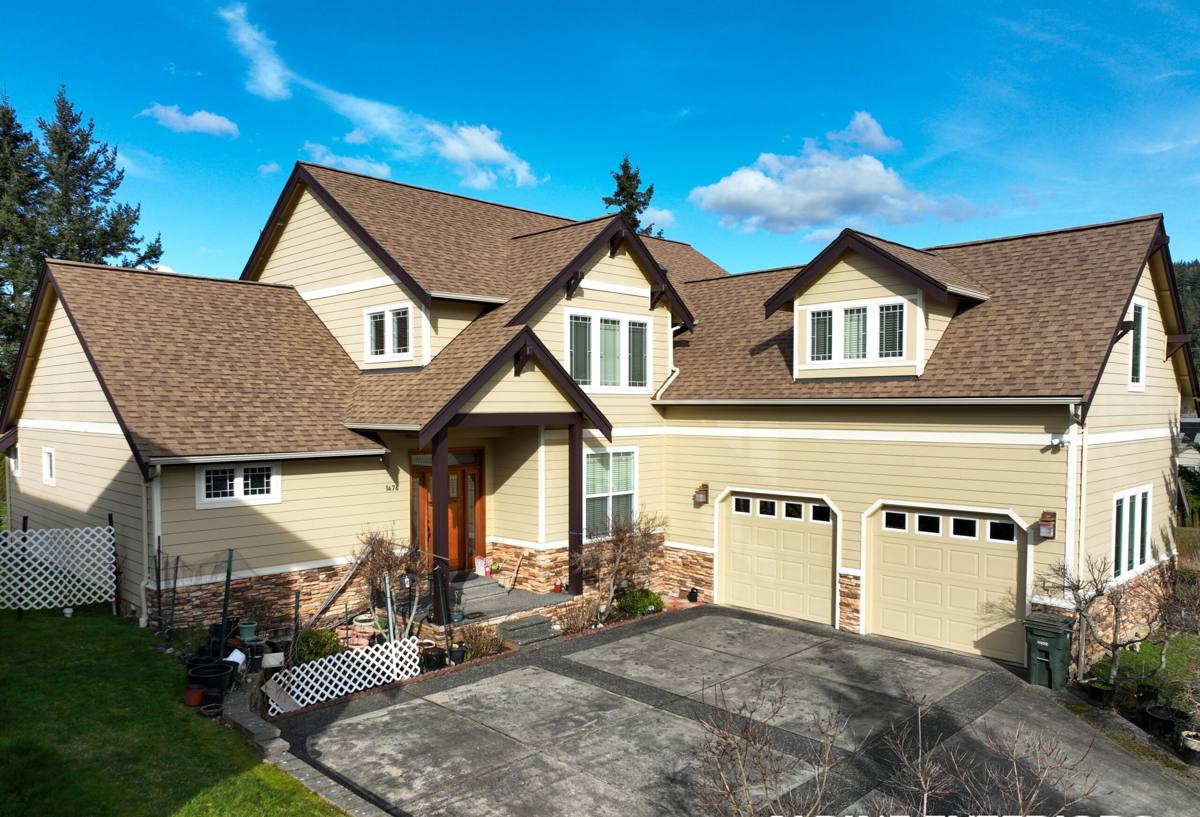
What Edgemoor's Site Conditions Actually Demand
Salt Air and Metal Fatigue
Proximity to the bay means a fine layer of salt in the air, especially on windier days. Salt accelerates corrosion in anything metal — fasteners, joist hangers, post bases, and railing hardware all take the hit over time. A deck that looks fine on the surface can have hardware quietly rusting underneath long before the boards themselves show any wear.
Tree Cover and Constant Shade
Many Edgemoor properties keep their mature trees, which is part of the neighborhood's character, but it means large sections of a deck rarely see direct sun. Shaded, damp wood is exactly what moss, algae, and wood-rot fungi need to take hold. Decks built without that in mind end up slick, discolored, and softening at the surface well before their structural life is over.
Driving Rain and Standing Water
Pacific Northwest rain in this area isn't just frequent — it often comes sideways in a wind-driven pattern that pushes water into places a dry-climate deck design wouldn't need to protect. Ledger boards, stair stringers, and any horizontal surface without a slight pitch are the first places that trouble shows up.
Choosing Decking Material for This Environment
There's no single "best" decking material for every Edgemoor home — it depends on how much sun the deck gets, how much upkeep the owner wants to do, and budget. Here's how the common options actually perform under salt air, shade, and constant moisture:
| Material | Performance in Salt Air & Shade | Maintenance | Typical Lifespan |
|---|---|---|---|
| Pressure-treated fir/hem-fir | Handles moisture well if sealed regularly; can green with algae in deep shade | Re-seal or stain every 1-2 years | 15-20 years |
| Cedar | Naturally rot- and insect-resistant; still needs protection from constant damp shade | Oil or seal annually in shaded areas | 15-25 years |
| Composite decking | Doesn't rot or absorb water; some early composite products stayed damp and grew surface mildew in deep shade | Periodic washing to clear moss/algae film | 25-30+ years |
| PVC decking | Fully synthetic, sheds water and resists staining; performs consistently in shade | Occasional washing | 30+ years |
For heavily shaded Edgemoor lots, we generally steer homeowners away from the lowest-tier composite products — not because composite decking is a bad category, but because the boards that trap moisture at the surface are a poor match for a yard that rarely dries out. Our standard is to match the board's actual drainage and mold-resistance rating to the site's real sun exposure, not just pick based on price per square foot.
The Structural Details That Matter More Than the Boards
Ledger Attachment and Flashing
Where a deck attaches to the house is the single most common failure point in this climate. Without proper flashing — metal, not just tar paper or tape — water driven by wind finds its way behind the ledger board and into the house's wall framing. We flash every ledger connection and never rely on caulk alone to keep water out over time.
Fasteners and Hardware
Given the salt exposure, we use stainless steel or heavy hot-dip galvanized fasteners and connectors rather than standard coated hardware. It costs more up front and makes no visible difference on day one, but it's the difference between hardware that's still sound in fifteen years and hardware that's rusting through in five.
Footings and Post Bases
Footings need to go below frost depth and bear on solid, undisturbed soil — not fill dirt from a prior landscaping project, which is common on older, re-graded Edgemoor lots. Post bases should sit above grade on a stand-off bracket so the post end doesn't sit in standing water after a rain event.
Designing Around Moss and Drainage From the Start
Moss doesn't grow because a deck was built poorly in some obvious way — it grows because water and shade linger longer than they should. Good design fights that at every stage:
- Board spacing sized to let water drop through instead of sitting on the surface
- A slight slope away from the house so water sheets off rather than pooling near the ledger
- Open or vented skirting so air can move underneath the deck and the ground beneath it can actually dry out
- Joist tape on top of framing lumber to keep water from wicking into the wood grain at the fastener line
- Keeping overhanging branches trimmed back where practical, since constant leaf litter feeds the same moss and algae problem
None of these add significant cost to a new build, but they make a real difference in how often the deck needs to be power-washed and how long the boards actually last.
Our Process for an Edgemoor Deck Build
Site Visit and Design
We walk the property, note sun exposure, tree cover, drainage patterns, and how the house's roofline sheds water near the proposed deck area. That site read drives material and drainage decisions more than anything in a catalog.
Permitting
Most new decks and significant deck rebuilds in Bellingham require a permit, and setback and guardrail requirements apply. We handle the permit process and build to code rather than treating it as an afterthought.
Construction
Framing and flashing come first, inspected before decking goes down. Decking, stairs, and railing follow, with fastener and hardware choices matched to the site as discussed above.
Walkthrough
Before we consider the job done, we walk the finished deck with the homeowner, point out any maintenance items specific to that build, and answer questions about care going forward.
Permits and Code Basics for Bellingham Homeowners
Deck permitting in Bellingham generally looks at height above grade, guardrail and baluster spacing on elevated decks, setback distance from property lines, and footing depth relative to frost line. Edgemoor's older lots sometimes have prior structures or additions that weren't fully permitted, which can complicate a straightforward deck permit application. We check existing site conditions before filing so there are no surprises mid-project, and we're familiar with how Whatcom County and City of Bellingham review these applications.
Keeping a New Deck in Good Shape
Whatever material you choose, a little seasonal attention goes a long way in this climate:
- Sweep leaves and needles off the deck surface regularly through fall — trapped organic matter is what feeds moss growth
- Rinse or gently power-wash the surface once or twice a year to clear algae film before it gets established
- Re-seal or re-stain wood decking on the schedule appropriate to the product, especially in shaded sections
- Check railing and stair hardware annually for early signs of corrosion, particularly on the side of the house facing the water
- Keep under-deck vents and skirting gaps clear of debris so airflow underneath isn't blocked
Why Local Experience in Edgemoor Actually Matters
A crew that's built decks elsewhere in the country and one that's built them specifically around Bellingham Bay will make different calls on the same set of plans. Knowing how far salt air travels inland here, how long a shaded deck actually stays wet after a storm, and how Bellingham's permitting office wants setbacks documented isn't something you pick up from a manual — it comes from having done the work on lots like these before. That local familiarity shows up less in what the deck looks like on day one and more in how it's still performing ten winters from now.
If you're planning a new deck or replacing one that's showing its age, we're happy to take a look and talk through what your specific lot needs. Reach out for a free, no-pressure estimate using the form below.