 Bellingham Exterior
 Why Birchwood Roofs Take a Different Kind of Beating
Birchwood sits close enough to Bellingham Bay to catch salt-laden air off the water, and far enough into the tree canopy that shade and moisture linger on the roof deck long after a storm passes. That combination is harder on a roof than either factor alone. Salt air accelerates corrosion on exposed fasteners, flashing, and metal roofing panels. Heavy tree cover keeps roof surfaces damp and shaded for extended stretches, which is exactly what moss and algae need to take hold.
Add in Whatcom County's long, wet fall-through-spring season and driving rain that comes in sideways off the water, and a roof here is being asked to do more work than a roof in a drier, more open part of the state. A correct installation accounts for all of it — not just the shingle on top, but everything underneath that keeps water out and moisture moving.
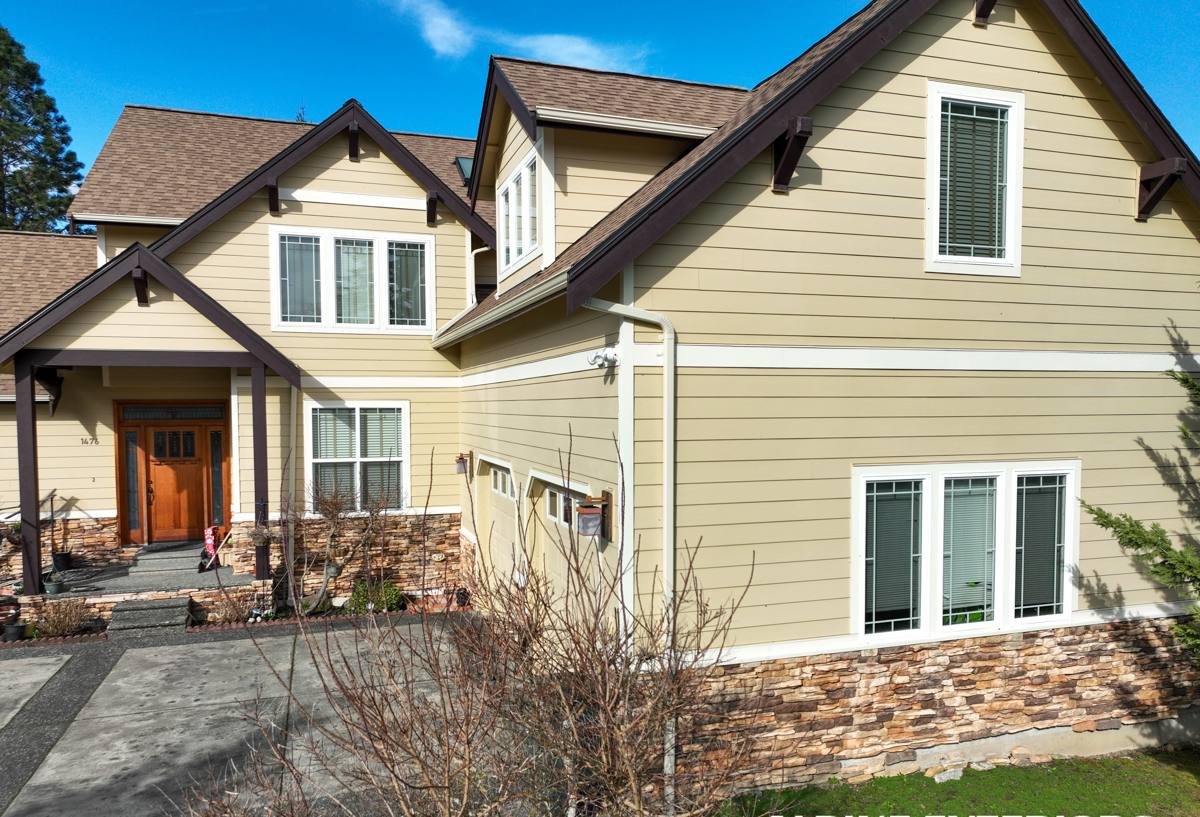
How Bellingham's Climate Shows Up on an Aging Roof
Moss and Organic Growth
Moss doesn't just sit on top of shingles — it holds moisture against the roofing surface and works its way under shingle edges and tabs, lifting them over time. On shaded Birchwood lots with mature trees, moss can establish itself within a couple of seasons on a roof that isn't treated or maintained. Left unchecked, it shortens the life of the roofing material significantly.
Salt Air and Corrosion
Fasteners, drip edge, step flashing, and any exposed metal are the first things to show wear from salt-influenced air. Once corrosion starts at a fastener or flashing seam, it creates a path for water intrusion that's easy to miss from the ground.
Driving Rain and Wind-Driven Water
Rain that comes in at an angle tests every lap, seam, and penetration on a roof — not just the field of the shingles. Roofs installed without attention to flashing detail and underlayment coverage tend to develop leaks first at valleys, chimneys, skylights, and where the roof meets a wall.
Signs a Birchwood Home Needs a New Roof, Not a Repair
Not every roofing problem calls for full replacement, but there's a point where patching stops making sense. Homeowners in Birchwood should treat a new roof as the right call, rather than another round of repairs, when they see:
- Heavy or recurring moss growth across most of the roof, not just isolated patches
- Shingles that are curling, cracking, or losing granules in multiple areas
- Soft or spongy spots in the decking when walked, or visible sagging
- Repeated leaks in different locations after previous repairs
- Roofing material that's at or past its expected service life
- Daylight visible through the roof deck from inside the attic
- Rusted or deteriorating flashing around chimneys, vents, or valleys
What a Correct New Roof Installation Actually Involves
A new roof is only as good as what happens before the new shingles ever go down. On Birchwood homes, we treat the tear-off and prep stage as the most important part of the job, not a formality on the way to installing material.
Full Tear-Off and Deck Inspection
We remove the existing roofing down to the deck rather than layering over old material. That lets us inspect the sheathing for rot, soft spots, or moisture damage that's common on shaded, damp roofs — and replace any compromised decking before it's covered up again.
Underlayment Built for Wet Climates
Given how much rain Whatcom County sees, we don't treat underlayment as an afterthought. Proper coverage, including ice-and-water shield at vulnerable areas like eaves, valleys, and penetrations, gives the roof a second line of defense if wind-driven rain ever gets past the shingles.
Flashing at Every Vulnerable Point
Chimneys, skylights, sidewalls, and valleys are where most roof leaks actually start. Flashing has to be installed correctly and integrated with the underlayment and shingles in the right order — not just caulked and hoped for.
Ventilation That Matches the Home
A roof needs balanced intake and exhaust ventilation to let moisture escape from the attic space. Without it, trapped moisture condenses on the underside of the deck, which shortens the life of the new roof and can encourage mold and mildew inside the attic.
Choosing a Roofing Material for a Shaded, Salt-Air Climate
There's no single "best" roofing material for every home — the right choice depends on the home's exposure, roof pitch, budget, and how much maintenance the homeowner wants to take on. Here's how the common options compare for a Birchwood setting specifically.
| Material | Performance in Salt Air & Moisture | Moss Resistance | Typical Maintenance |
|---|---|---|---|
| Architectural Asphalt Shingle | Good with quality flashing and fasteners | Moderate — benefits from periodic cleaning in shaded areas | Low to moderate |
| Standing Seam Metal | Very good when properly coated/finished for coastal exposure | High — moss struggles to hold on a smooth metal surface | Low |
| Synthetic/Composite Shingle | Good — resistant to moisture absorption | Moderate to high depending on product | Low |
| Cedar Shake | Requires diligent maintenance in damp, shaded conditions | Low without regular treatment | High |
For heavily shaded lots common in Birchwood, we generally steer homeowners toward materials that shed moisture quickly and resist organic growth, or toward a maintenance plan that keeps a moss-prone material in good shape. We'll walk through the honest trade-offs of each option for your specific roof, rather than pushing one product for every home.
Our New Roof Installation Process
- On-site evaluation. We assess the current roof, decking condition, ventilation, tree cover, and drainage before recommending anything.
- Material and scope walkthrough. We go over material options, flashing details, and ventilation needs specific to your home, with a clear, itemized estimate.
- Scheduling around the weather. Whatcom County's wet season means timing matters — we plan installations to minimize the roof deck's exposure to open weather.
- Tear-off and deck repair. Old roofing comes off, decking is inspected, and any damaged sections are replaced before anything new goes down.
- Underlayment, flashing, and material installation. Each layer is installed in the correct sequence, with extra attention at valleys, penetrations, and edges.
- Ventilation check and final walkthrough. We confirm intake and exhaust ventilation is balanced, clean up the site, and walk the finished roof with you.
Why Working With a Crew That Already Knows Birchwood Matters
Birchwood's mix of mature tree canopy, proximity to the bay, and older housing stock means roofs here fail in fairly consistent, predictable ways — mostly moisture and moss-related rather than storm damage. A crew that regularly works this part of Bellingham recognizes those patterns quickly: which decking areas tend to hide rot, where flashing tends to corrode first, and how much ventilation a shaded roof actually needs versus a roof in full sun.
That familiarity also extends to the practical side of the job — knowing Whatcom County permitting requirements, working efficiently around narrower or tree-lined driveways for material delivery and debris removal, and being realistic about scheduling around the region's rainy stretches instead of rushing a tear-off into open weather.
What a New Roof Costs: The Real Factors
We don't publish flat prices because roof cost depends on real variables specific to your home. In general, cost is driven by:
| Factor | Why It Affects Cost |
|---|---|
| Roof size and complexity (valleys, dormers, pitch) | More cuts, flashing, and labor time |
| Number of layers being removed | Multiple tear-off layers add labor and disposal cost |
| Decking condition | Rotted or soft sheathing requires replacement before installation |
| Material selected | Asphalt, metal, and composite options carry different material costs |
| Ventilation and flashing upgrades | Bringing older systems up to current best practice adds scope |
| Access and site conditions | Tree cover, driveway access, and staging area affect labor time |
Protecting Your New Roof After Installation
A correctly installed roof still benefits from basic upkeep, especially in a moss-prone, tree-covered area like Birchwood. A few habits go a long way toward protecting the investment:
- Have gutters cleared regularly so water doesn't back up under the roof edge
- Keep overhanging branches trimmed back to reduce shade and debris buildup
- Schedule a light annual inspection to catch moss regrowth or flashing wear early
- Remove moss gently rather than power-washing, which can strip granules and shorten shingle life
- Watch for water stains on interior ceilings, which often show up before a visible roof problem does
If your Birchwood roof is showing its age — or you just want an honest opinion on whether repair or replacement makes more sense — we're happy to take a look. Fill out the form below for a free, no-pressure estimate, and we'll walk your roof with you and explain exactly what we see.