 Bellingham Exterior
 Siding Replacement Built for Columbia's Climate
The Columbia neighborhood sits inside one of the wetter, more humid pockets of Bellingham, and the siding on these homes takes a beating most homeowners never fully see until it's too late. Between long stretches of driving rain, the salt-laden air that moves off Bellingham Bay, and a moss season that can run eight months or more, exterior cladding here has to do more work than siding in a drier climate. When we replace siding on a Columbia home, we're not just swapping old material for new — we're addressing the specific ways Whatcom County weather attacks a wall system over time.
Homes in this part of Bellingham are a mix of older housing stock and newer construction, and both categories show up in our estimate calendar for the same reasons: siding that was never rated for this climate, or siding that was installed without the moisture management details this region demands.
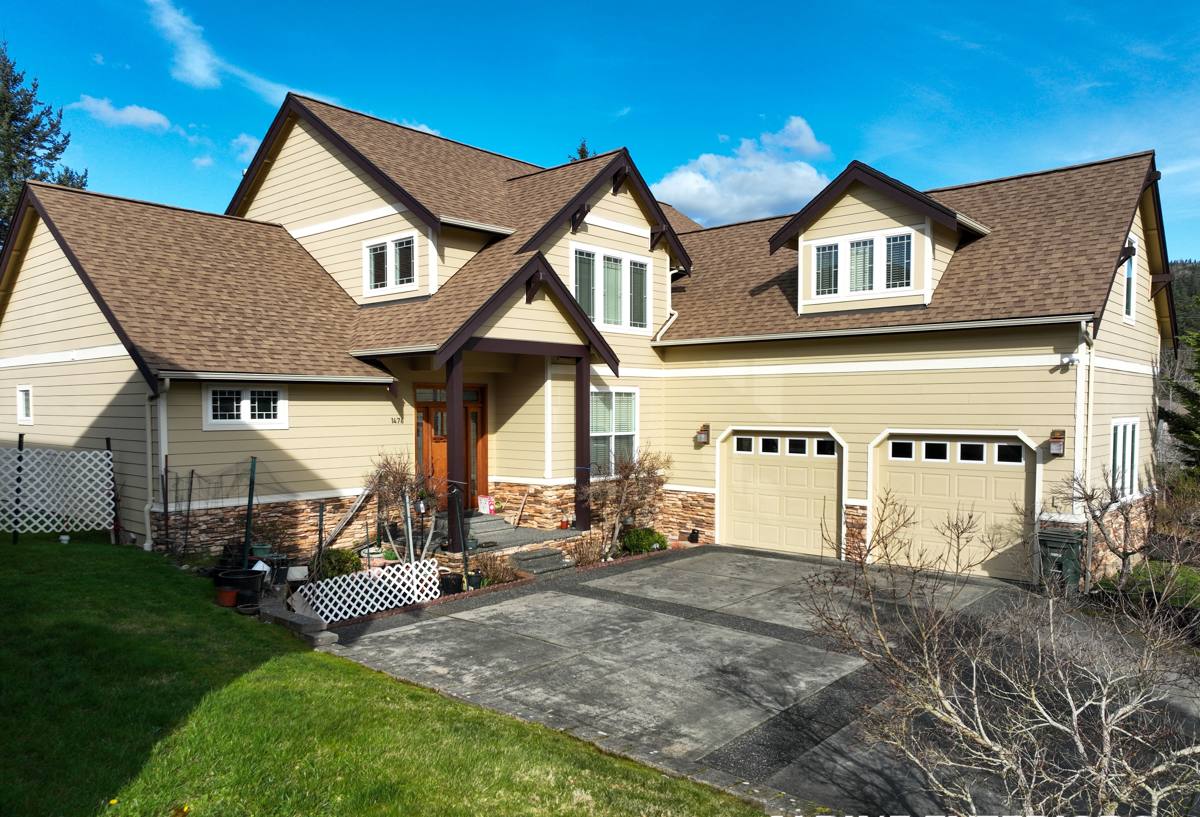
Signs Your Siding Has Reached the End of Its Life
Most homeowners don't wake up one day and decide to replace siding — they notice a problem and start asking questions. In Columbia, the most common warning signs we see include:
- Soft or spongy spots when you press on the siding, especially near the bottom courses and around window trim
- Persistent moss or algae staining that comes back within weeks of being cleaned
- Paint that's bubbling, peeling, or failing faster than a normal repaint cycle
- Visible warping, cupping, or delamination on lap siding
- Gaps opening up at seams, corners, or where siding meets trim
- A musty smell in an adjacent interior room, which can mean moisture has already worked past the cladding
Any one of these can be a localized repair. Several at once, especially on a home more than 20-25 years old, usually means the underlying weather barrier has failed and full replacement is the more honest recommendation — patching siding on a wall that's no longer shedding water correctly just delays the real fix.
What a Correct Siding Replacement Actually Involves
It Starts Underneath the Siding, Not With It
The siding itself is the last thing installed, not the first thing that matters. A correct replacement starts with removing the old material down to the sheathing, inspecting for rot or water damage, and repairing or replacing any compromised framing before anything new goes up. Skipping this step is the single most common reason a siding job fails early in a climate like ours.
Weather-Resistive Barrier and Flashing
Once the sheathing is sound, a new weather-resistive barrier goes on, and every penetration — windows, doors, hose bibs, vents, light fixtures — gets properly flashed and sequenced so water is directed out and down, never trapped behind the cladding. In a region with as much horizontal, wind-driven rain as Bellingham gets, flashing details matter as much as the siding material itself.
Fastening and Fit
Fiber cement siding has manufacturer-specific requirements for fastener type, placement, and gapping. Nailing patterns, butt joint treatment, and clearance from grade and roof lines all affect how the finished wall performs over the next several decades. This is where installer experience shows — and where a lot of siding problems we're called out to inspect actually originate, even when the material itself was a good product.
Why We Install Only James Hardie Fiber Cement
We made a standing decision as a company: we install James Hardie fiber cement siding, exclusively. No vinyl, no LP SmartSide, no Cemplank or Allura, no primed spruce or cedar. That's not a marketing position — it's a practical one, built around what actually holds up in Whatcom County weather.
Fiber cement is non-combustible, which matters for wildfire-conscious insurance underwriting and for simple peace of mind. It doesn't feed moisture the way wood-based products can, and it doesn't soften, warp, or become brittle the way vinyl and engineered wood products can under sustained damp-cold-damp cycling. Hardie's ColorPlus factory finish is baked on and warrantied against fading and flaking in a way field-applied paint on other materials generally isn't. And Hardie manufactures HZ5 product specifically engineered for climates with sustained moisture exposure — which describes Bellingham about as well as any city in the state.
None of this means other siding products are without merit — vinyl is inexpensive and low-maintenance in the right setting, and engineered wood has real appearance advantages some homeowners prefer. But when we weigh long-term performance in this specific climate against installation sensitivity, moisture behavior, and warranty strength, fiber cement is what we're willing to put our name behind.
How Siding Options Compare in a Coastal, High-Moisture Climate
| Material | Moisture Behavior | Maintenance | Typical Lifespan Here |
|---|---|---|---|
| James Hardie Fiber Cement | Does not absorb and swell; resists moss/algae staining better than wood-based products | Occasional wash; factory finish reduces repainting | 30+ years with proper install |
| Vinyl Siding | Doesn't rot, but can warp or crack in temperature swings; seams can allow water intrusion | Low, but limited repair options once damaged | 15-25 years |
| LP SmartSide / Engineered Wood | Wood-based core is vulnerable if the factory seal is compromised at cuts or edges | Requires diligent caulking and repainting | 15-25 years, highly install-dependent |
| Primed Spruce / Cedar | Natural wood; absorbs moisture readily, prone to moss and rot in shaded, damp areas | High — regular painting and moisture monitoring | 10-20 years without heavy upkeep |
These are general performance patterns, not guarantees for every installation — a well-installed product of any type will outperform a poorly installed one. But in a climate defined by driving rain, humidity, and a long moss season, the categories above tend to separate over time, and that's part of why we standardized on fiber cement.
Our Siding Replacement Process
1. On-Site Assessment
We walk the exterior with you, look for the signs of failure described above, and check for rot at the usual trouble spots — bottom courses, window sills, and anywhere trim meets siding.
2. Written Scope and Estimate
You get a clear, itemized estimate covering tear-off, any sheathing repair contingencies, weather barrier and flashing work, Hardie product and profile selection, and finish color.
3. Tear-Off and Structural Check
Old siding comes off, sheathing gets inspected, and any soft or damaged framing is addressed before we move forward — not covered up.
4. Weather Barrier, Flashing, and Installation
New barrier, correct flashing sequencing at every penetration, and Hardie siding installed to manufacturer fastening and clearance specs.
5. Final Walkthrough
We review the finished job with you in person before calling it complete.
Why Hiring a Crew That Already Works Columbia Matters
Siding performance isn't just about the product — it's about whether the installer understands the specific exposure a given lot has to wind, rain, and shade. A crew that regularly works Columbia and the rest of Bellingham already knows which walls typically hold moss longest, which orientations catch the worst of the driving rain, and how local permitting and inspection processes run. That familiarity shows up in fewer surprises during tear-off and a wall assembly that's built for the exposure it's actually going to face, not a generic installation.
It also matters for accountability. A contractor with an established local presence has a reputation in the neighborhood worth protecting, and a crew you can reach easily if a question comes up five or ten years down the road.
Protecting Your New Siding After Installation
Even the right material installed correctly benefits from basic upkeep, especially in a climate this wet. A simple annual routine goes a long way:
- Rinse the exterior once a year to keep moss, pollen, and organic buildup from taking hold, particularly on shaded, north-facing walls
- Keep gutters clear so overflow doesn't run down the siding face or pool at the base of walls
- Trim back vegetation and tree limbs that keep siding shaded and damp longer than the rest of the house
- Check caulking at trim joints and penetrations every couple of years and touch up as needed
- Walk the exterior after major windstorms to check for any dislodged or damaged pieces
None of this is heavy maintenance — it's the kind of upkeep that lets a properly installed Hardie system reach its full service life instead of an early one.
Get a Straightforward Estimate
If your Columbia home is showing signs of siding failure, or you'd simply like an honest read on where things stand, we're glad to take a look. Fill out the form below for a free, no-pressure estimate — no obligation, just a clear assessment of what your home actually needs.