 Bellingham Exterior
 Why Puget-Area Homes Need Windows Built for This Climate
If you live in the Puget area of Bellingham, you already know your windows work harder than windows almost anywhere else in the country. It's not one big weather event that wears them down — it's the steady combination of salt-laden air off the water, driving rain that comes in sideways for days at a time, and a long, damp moss season that keeps everything around your house wet longer than it should be. Add in Whatcom County's mild but persistent humidity, and you've got a recipe for slow, quiet window failure that most homeowners don't notice until they feel a draft or see fog trapped between the panes.
Energy-efficient windows aren't just about lower heating bills, though that's a real benefit. In this climate, "energy-efficient" and "properly sealed against moisture" are basically the same conversation. A window that's doing its job efficiently is also a window that's keeping wind-driven rain, salt air, and condensation out of your wall cavity. When we talk about energy-efficient windows for Puget homes, we're talking about performance and durability together — not just a rating on a sticker.
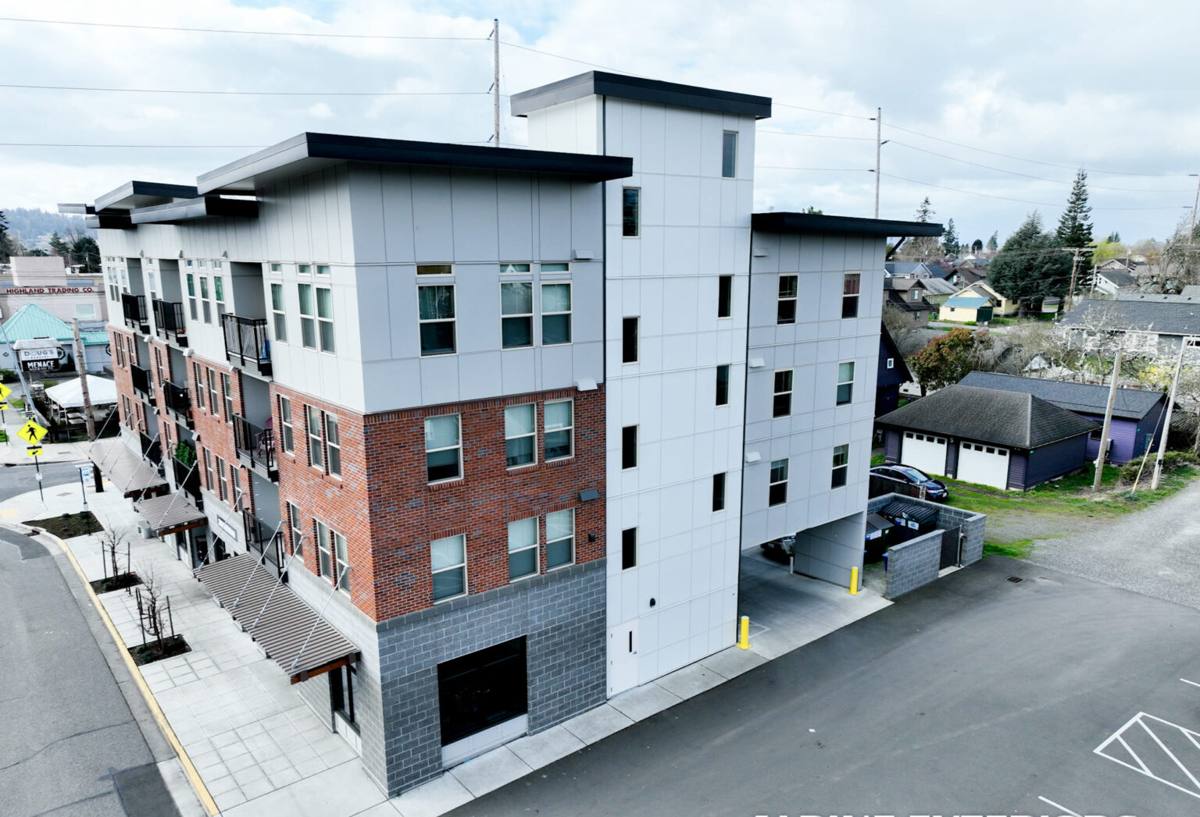
How Salt Air, Rain, and Moss Season Actually Damage Windows
Salt Air
Homes closer to the water pick up airborne salt that settles on metal hardware, aluminum cladding, and exposed fasteners. Over time it accelerates corrosion on hinges, locks, and cranks, and it can pit unprotected metal trim. Windows with poor-quality hardware or exposed metal components age faster here than they would inland.
Driving Rain
Bellingham doesn't usually get violent storms, but it gets a lot of wind-driven rain — the kind that pushes water sideways against the glass and up under trim rather than just falling straight down. That means flashing details, sill pans, and sealant lines matter more here than in drier climates. A window that would perform fine in a low-wind, low-rain region can fail here simply because of how the water is hitting it.
Moss and Sustained Moisture
Long stretches of damp, shaded weather let moss and algae get a foothold on north-facing walls, trim, and window sills — especially on homes with tree cover, which is common in and around Puget. Moss holds moisture against wood and painted surfaces far longer than rain alone would. On older wood-frame windows, that sustained dampness is what leads to soft spots, swelling, and eventually rot at the sill and lower corners.
Signs Your Windows Are Losing the Fight
Most window failure in this climate is gradual. Here's what we typically see when we're called out to a Puget-area home for an assessment:
- Fogging or a hazy film between panes — the seal on the insulated glass unit has failed
- Visible moss or dark staining building up on the sill or lower frame
- Soft or spongy wood when you press on the sill or bottom corners
- Noticeable draft near the frame even when the window is fully closed and locked
- Hardware that's stiff, corroded, or won't latch tight anymore
- Condensation forming on the inside of the glass during cold, wet stretches
- Paint peeling or bubbling on the interior trim near the window
- Rooms near older windows feeling noticeably colder or draftier than the rest of the house
Any one of these on its own might not mean much. Two or three together, especially on a home more than 15-20 years old, usually means it's worth having someone take a real look rather than just re-caulking and hoping.
What "Energy-Efficient" Actually Means for This Climate
Glazing and Glass Package
Double-pane windows with a low-E coating and argon gas fill are the standard baseline for energy efficiency in Western Washington, and they perform well here. Triple-pane windows offer a further step up in insulation and sound dampening, which some homeowners want if they're near a busier road or simply want the lowest possible heating cost — but they come at a higher price and added weight, which matters for larger openings and older framing.
Frame Material
Frame choice matters as much as glass in a marine climate. Vinyl frames resist moisture and don't need repainting, which is a real advantage against sustained dampness and moss exposure. Fiberglass frames cost more but hold their shape better over time and handle temperature swings with less expansion and contraction. Wood and wood-clad frames look great and perform well when properly maintained, but they require more diligence in a climate this wet — the maintenance burden is real, not hypothetical, and it's something we're upfront about before you commit to that look.
Installation Detail — Where Performance Actually Comes From
A high-end window installed poorly will underperform a mid-range window installed correctly. In this climate, that's not a minor point — it's the whole ballgame. Proper sill pan flashing, correctly lapped house wrap, quality sealant at the right joints, and correct shimming so the window isn't racked all matter more here than in a dry climate, because any gap gets tested by wind-driven rain regularly, not occasionally.
Frame Material Comparison for Puget-Area Homes
| Frame Material | Moisture Resistance | Maintenance | Typical Lifespan | Best Fit |
|---|---|---|---|---|
| Vinyl | Excellent — won't rot or corrode | Low — occasional cleaning | 20-30 years | Most homes prioritizing value and low upkeep |
| Fiberglass | Excellent — very stable in swings | Low | 30-40+ years | Homeowners wanting long-term durability |
| Wood-Clad | Good if maintained; vulnerable if neglected | Higher — periodic inspection and finish upkeep | 20-30 years with care | Homeowners set on a wood interior look |
| Aluminum | Fair — prone to corrosion near salt air | Moderate | 15-25 years | Rarely our recommendation this close to the water |
We don't push one material on everyone. We'll walk you through what fits your home's exposure, your budget, and how much upkeep you actually want to take on — including being honest when a look you like comes with more maintenance than most homeowners expect.
Our Process for a Puget-Area Window Job
1. On-Site Assessment
We look at each window individually — not just the glass, but the sill, the surrounding trim, and any sign of past moisture intrusion. Homes in this area often have a mix of window ages and conditions, so we don't assume every opening needs the same fix.
2. Removal and Sill Inspection
Once the old window is out, we check the rough opening and sill for rot or hidden water damage before anything new goes in. This is the step that gets skipped by crews trying to move fast, and it's the step that determines whether the new window actually lasts in this climate.
3. Flashing and Moisture Barrier
Correct sill pan flashing and properly lapped house wrap around the opening are non-negotiable here. This is the layer that protects your wall framing from the driving rain this area gets, regardless of how good the window itself is.
4. Installation and Sealing
We shim and level the window so it operates correctly and seals evenly, then seal and insulate the gap around the frame with the right materials for a marine climate — not just whatever caulk is on the truck.
5. Final Check and Cleanup
We test operation, check the seal, and walk the finished work with you before we consider the job done.
What Drives Cost on a Puget-Area Window Project
| Factor | Why It Matters Here |
|---|---|
| Number and size of openings | Larger and more numerous windows increase material and labor time |
| Frame material chosen | Vinyl is typically the most budget-friendly; fiberglass and wood-clad cost more upfront |
| Glass package (double vs. triple pane) | Triple-pane adds cost but improves insulation and sound control |
| Condition of the existing sill and framing | Rot or water damage found during removal adds repair scope |
| Access and home exposure | Homes with heavier wind or rain exposure may need additional flashing detail |
| Full-frame vs. insert replacement | Full-frame replacement costs more but is often the right call when there's sill damage or old aluminum framing |
We give you a real, itemized number after we've actually looked at your windows — not a phone estimate based on square footage. Given how much moisture damage can hide behind trim in this climate, an accurate quote requires seeing the actual condition of each opening.
Why It Matters That We Already Work in Puget
A crew that regularly works in this specific area already knows which directions catch the worst wind-driven rain, how fast moss builds up on shaded north walls, and which older window styles common in this part of Bellingham tend to fail first. That's not something you can fully substitute with a generic install checklist. We're not guessing at how the local climate behaves — we're accounting for it in the flashing detail, the caulking, and the material recommendations from the start.
We're also around after the job is done. If something needs a look during the next big rain event or a warranty question comes up two years down the road, you're calling a local crew that's still working in the neighborhood, not chasing down a company that did a one-off job and left the area.
Living With Your New Windows — Moss Season and Beyond
Even the best windows benefit from a little seasonal attention in Whatcom County. A few habits go a long way:
- Rinse sills and frames periodically during moss season to keep organic buildup from taking hold
- Check weep holes on vinyl and fiberglass frames to make sure they're clear and draining
- Wipe down hardware near the coast occasionally to slow salt-related corrosion
- Keep an eye on caulking lines each fall before the wet season sets in
- Trim back vegetation that keeps a window in constant shade and dampness
None of this is heavy maintenance — it's the kind of five-minute check that keeps a good installation performing the way it's supposed to for decades instead of one.
Get a Straight Answer About Your Windows
If you're not sure whether your current windows are worth repairing or replacing, we're happy to take a look and give you an honest read — no pressure, no upsell. Fill out the form below for a free estimate on energy-efficient window replacement for your Puget-area home.