 Bellingham Exterior
 When Storms Hit Ferndale, Your Roof Takes the First Hit
Ferndale sits close enough to the water that homes here catch a different mix of weather than roofs further inland. Wind off the Salish Sea carries salt, and when a fall or winter storm system rolls through Whatcom County, that wind usually comes with driving, sideways rain rather than a straight-down soaking. That combination — salt air, wind-driven rain, and a wet season that runs long — is hard on roofing in ways that show up gradually, then all at once during a bad storm.
We're a Bellingham-based crew that works roofs across Whatcom County, and storm damage repair in Ferndale is a regular part of our week during storm season. This page walks through what storm damage actually looks like, how we handle a repair from first call to final walkthrough, and what local homeowners should know before they hire anyone to go up on their roof after a storm.
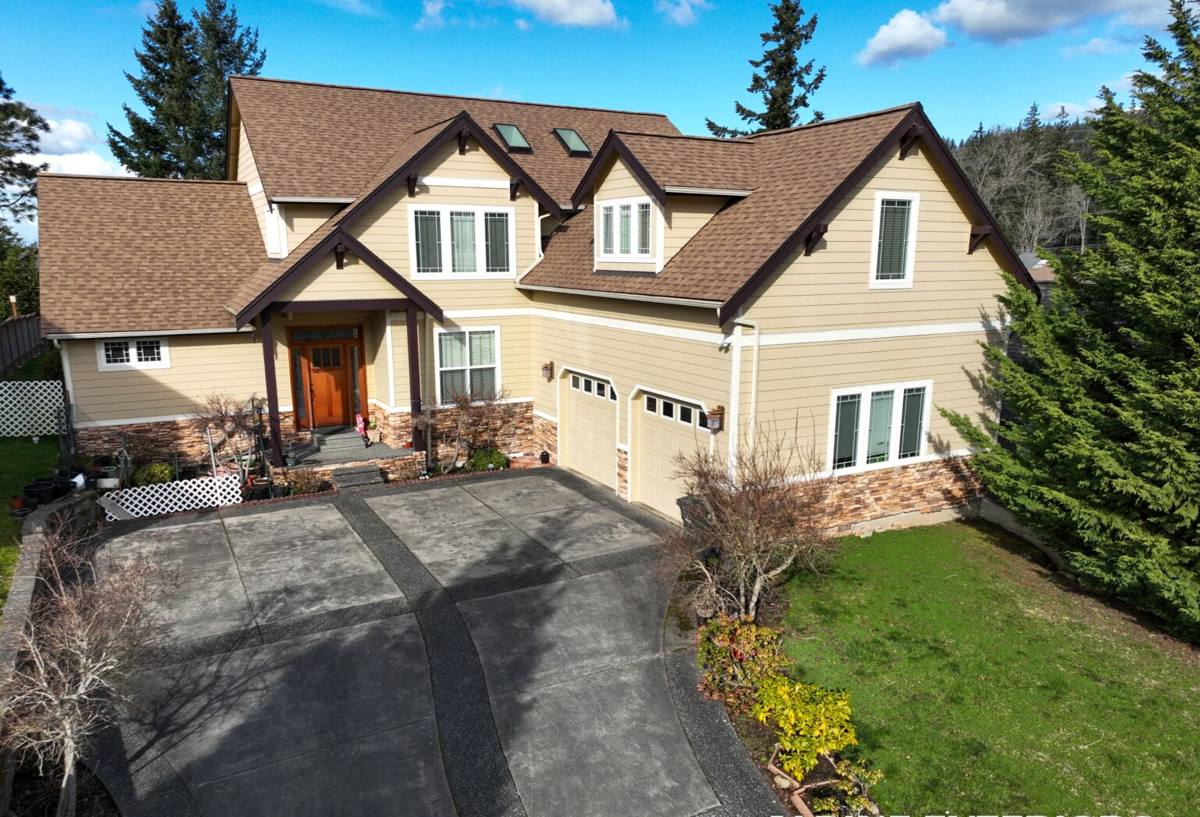
What Storm Damage Actually Looks Like on a Roof
Storm damage rarely announces itself with a hole you can see from the driveway. Most of the damage we find after a wind event is the kind that lets water in slowly, over weeks, before a homeowner notices a stain on a ceiling.
Wind Damage
Sustained wind and gusts lift shingle edges and break the seal that keeps them flat against the roof deck. Once that seal is broken, the shingle doesn't have to blow off completely to be a problem — it just has to flap enough to let rain drive up underneath it. We also see wind crease shingles, which weakens them permanently even if they look intact from the ground.
Wind-Driven Rain and Hidden Leaks
Because Ferndale storms often bring rain at an angle instead of straight down, water gets pushed into places a roof normally sheds water away from — under flashing edges, into vent boots, and along ridge caps. This is the damage type most likely to go unnoticed until it shows up as a leak somewhere inside the house.
Debris Impact
Branches and wind-thrown debris can crack shingles, dent metal flashing, or knock granules loose in a concentrated area. Impact damage tends to be localized, which is actually good news — it's usually one of the more straightforward repairs, as long as it's caught before water gets underneath the broken section.
Storm Damage vs. Ordinary Wear: How We Tell the Difference
Not every roof problem we find after a storm was caused by that storm. A roof already near the end of its service life can look a lot worse after a windstorm even if the storm itself only added modest, real damage. Being straight about this distinction matters — for your budget, and if you're filing an insurance claim.
| Sign | More Likely Storm Damage | More Likely Age-Related Wear |
|---|---|---|
| Shingle location | Damage concentrated on one slope facing prevailing wind, or scattered where debris fell | Even wear across the whole roof |
| Granule loss | Bare patches with a crease or crack nearby | Gradual thinning and granules in the gutters over years |
| Flashing | Bent, lifted, or torn loose in one spot | Rust, sealant that's dried and cracked with age |
| Timing | Leak or visible damage appears right after a named storm event | Slow leak that's been noticed "for a while" |
| Shingle condition | Otherwise sound shingles nearby | Curling, cupping, or brittle shingles throughout |
We document both when we inspect, because an honest scope of work should separate "this happened in the storm" from "this was already heading toward replacement." Trying to bill the whole roof to one storm event when only part of it was actually storm-caused is the kind of thing that gets a claim denied or a homeowner overcharged — neither is something we're willing to do.
Our Storm Damage Repair Process
Inspection First
Every job starts with us physically getting on the roof, not just looking from the ground. We check the shingle field, flashing at chimneys and walls, valleys, vent boots, ridge caps, and gutters. We photograph what we find, because that documentation matters later whether you're paying out of pocket or working with an insurance adjuster.
Temporary Protection, If Needed
If a roof has active exposed decking or a section that's actively leaking and can't be fully repaired the same day, we'll get it tarped or otherwise weathered-in before we leave. In a marine climate where the next system can arrive within days, leaving a roof open overnight isn't something we do.
The Actual Repair
Depending on what the inspection turns up, a storm repair might involve: replacing individual damaged shingles, resealing or replacing lifted flashing, rebuilding a section of ridge cap, or repairing underlayment and decking if water has already gotten through. We match materials as closely as possible so a repair doesn't stand out as an obvious patch, and we don't cut corners on flashing details just because it's "only a repair" — flashing mistakes are where most repeat leaks come from.
Follow-Up
After the repair, we walk you through what we found and what we did, in plain language. If we noticed other areas worth watching — a section of roof that's aging out, gutters that need attention — we'll tell you, even if it's not part of the current repair.
Repair or Replace? How We Make the Call
Most storm damage is legitimately repairable. We only recommend full replacement when the numbers actually support it — not as a default upsell. The factors that tip the decision:
- Extent of damage — a handful of shingles versus damage spread across multiple slopes
- Roof age — a roof already near the end of its expected life may not be worth further repair investment
- Decking condition — if water has been getting in long enough to soften or rot the plywood underneath, that changes the scope
- Matching shingles — if your existing shingle line is discontinued or badly faded, a patch may look mismatched even if it's structurally sound
- Insurance scope — sometimes an adjuster's approved scope makes a partial replacement more practical than piecemeal repair
If a repair is the right call, we'll say so. If it isn't, we'll explain exactly why before you spend money on something that won't hold.
Materials We Use — and Why
For storm repairs specifically, the materials matter as much as the labor. Whatcom County's combination of persistent moisture, wind exposure, and coastal salt air rewards materials that resist moss growth and hold up to repeated wetting and drying.
| Material | Where We Use It | Why It Fits This Climate |
|---|---|---|
| Architectural asphalt shingles | Standard field repairs and full re-roofs | Better wind rating than 3-tab, thicker profile resists granule loss from wind-driven rain |
| Synthetic underlayment | Under any repaired or replaced section | Doesn't absorb water the way old felt paper does during our long wet season |
| Ice-and-water membrane | Eaves, valleys, and around penetrations | Extra protection where wind-driven rain is most likely to force its way under shingles |
| Metal flashing (properly formed and sealed) | Chimneys, walls, valleys | Correctly installed flashing is the single biggest factor in whether a repair actually stops a leak |
We're not tied to one brand, and we won't tell you a product failed you when the more honest explanation is usually installation, ventilation, or maintenance. What we will say is that in a climate this wet, moisture-resistant underlayment and correctly detailed flashing matter more than which shingle brand's logo ends up on the wrapper.
Working With Your Insurance Claim
Many storm repairs in this area go through homeowner's insurance, and the process goes smoother when the documentation is solid from the start. Here's how we typically help:
- We inspect and photograph the damage before any repair work begins, so there's a clear record of storm-caused versus pre-existing conditions
- We provide a written estimate that separates storm damage from unrelated wear
- We can meet your adjuster on-site to walk the roof together if that's useful to your claim
- We complete the approved repair and provide documentation you can submit for your records
We're not a public adjuster and we don't negotiate your claim for you — that's between you and your insurer. What we provide is an honest, well-documented professional assessment your adjuster can work from.
Signs You May Have Storm Damage Right Now
If a storm has recently come through Whatcom County, it's worth a quick check — from the ground, safely — for these signs before the next system arrives:
- Shingles visibly lifted, cracked, or missing on any slope
- Granules collecting in gutters or at downspout outlets after a storm, more than usual
- Bent, loose, or missing flashing around chimneys, vents, or where the roof meets a wall
- New water stains on ceilings or upper walls, especially near exterior walls or chimneys
- Debris — branches or larger material — visibly resting on the roof
- Sagging or soft-looking spots on the roof plane
- Daylight visible through the roof deck from inside an attic
If you see any of these, it's worth getting a professional look before the damage has time to spread underneath the roofing rather than just on top of it.
Why a Bellingham-Based Crew That Already Works Ferndale Matters
Storm damage repair isn't a job where a contractor from out of the area is at much of a disadvantage on the technical side — flashing details and shingle repair are the same skill set anywhere. Where local matters is response time and familiarity with what this specific area throws at a roof.
We're already in Whatcom County, so when a storm comes through and Ferndale homeowners start calling, we're not driving in from several counties away while your roof sits exposed. We also see enough roofs in this specific stretch of coastline to have a good read on what causes repeat problems here — moss establishing in shaded valleys, salt-air corrosion on older metal flashing, and wind patterns that tend to hit certain roof orientations harder than others. That's the kind of pattern recognition that comes from doing the work locally and repeatedly, not from a general storm-chasing crew passing through after a big weather event.
After the Repair: Keeping Moss and Salt From Coming Back
A storm repair fixes what the storm broke, but Ferndale's climate keeps working on a roof year-round. A few habits go a long way toward protecting the repair and the rest of the roof:
Moss Control
Whatcom County's long damp season gives moss plenty of time to establish, especially on north-facing slopes and in shaded valleys. Left alone, moss holds moisture against the shingle surface and works its way under shingle edges, which can undo a repair over time. Periodic gentle cleaning (never pressure-washing shingles) and zinc or copper strips at the ridge can slow regrowth.
Gutter Maintenance
Clogged gutters send water back up under the roof edge instead of away from the house — a problem that gets worse, not better, during storm season. Clear gutters before and after the wettest months.
Routine Inspection
A roof that's been repaired after storm damage is worth a look after future major storms, at least from the ground, and a professional inspection every couple of years. Catching a lifted shingle or worn flashing early is a small fix; catching it after months of hidden leaking usually isn't.
If your Ferndale roof has taken a hit this storm season, we're happy to come take a look and give you a straight answer about what it needs — no pressure, no obligation. Reach out for a free estimate using the form below.