 Bellingham Exterior
 Windows Built for Happy Valley's Weather, Not Just Its Openings
Happy Valley sits close enough to Bellingham Bay that salt-laden air, sideways rain off the water, and long stretches of shade and moisture are just part of owning a home here. Whatcom County's marine climate doesn't hit homes with extreme cold or heat — it wears them down slowly, through moisture that never fully leaves the wood, sills that stay damp into July, and moss that finds a foothold anywhere water sits. Windows take the brunt of that. A window that's a poor fit for this climate won't necessarily fail dramatically; it will just slowly let in drafts, fog between panes, stick when it's damp, and cost more to heat around every winter.
"Custom" windows, in this context, doesn't mean fancy or oversized. It means windows sized, framed, and installed to match the actual opening and actual conditions of a specific Happy Valley home — not a stock size forced into place with extra caulk and hope.
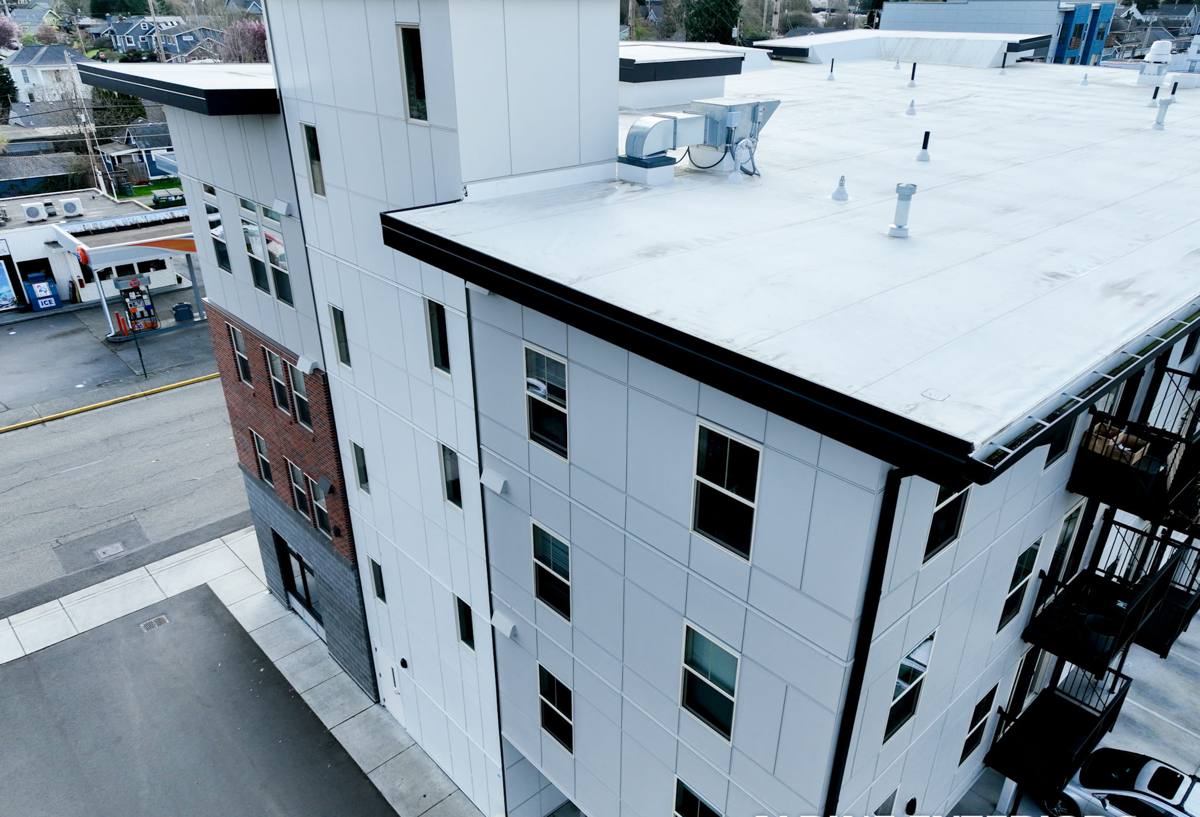
What Happy Valley's Housing Mix Means for Window Work
Like much of central Bellingham, Happy Valley has a mix of older character homes — bungalows and early-1900s frame houses — alongside newer infill construction and remodels. That mix matters for window replacement:
Older homes
Original openings are frequently slightly out of square after decades of settling, and many still have original wood trim worth preserving. A correct job here means field-measuring every opening individually rather than assuming they're all identical, and often means custom-sizing sashes or full units rather than grabbing standard dimensions off a shelf.
Newer construction and remodels
These homes are usually square and standard-sized, but they still need glazing and frame choices matched to a shaded, wet lot versus a sunnier, more exposed one. A north-facing wall that never fully dries out behaves differently than a south-facing wall, even on the same house.
In both cases, "custom" means the measurements, materials, and flashing details are decided by what the house actually needs — not by what's fastest to install.
Material and Glazing Choices That Hold Up Here
Every frame material has trade-offs in a wet, salt-influenced climate. None of them are "bad" — they're just suited to different situations, and part of our job is being honest about which one fits a given home and budget rather than upselling the most expensive option.
| Frame Material | Moisture Behavior | Maintenance | Typical Lifespan |
|---|---|---|---|
| Vinyl | Won't rot or corrode; seams need periodic inspection | Low — occasional cleaning | 20–30+ years |
| Fiberglass | Very stable in wet/dry cycling, minimal expansion | Low | 30–40+ years |
| Wood (unclad) | Needs a sound paint/finish barrier to resist rot near the coast | High — repaint/reseal on a schedule | Decades, if maintained consistently |
| Wood-clad (aluminum or vinyl exterior) | Exterior face resists moisture; interior wood stays warm-looking | Moderate — watch cladding seams and corners | 25–35+ years |
For most Happy Valley homes, vinyl or fiberglass frames make the most sense on exposed or shaded walls where moisture sits longest. Wood and wood-clad options are still a solid choice for character homes where matching original trim profiles matters, as long as the homeowner understands the maintenance commitment that comes with it. We'll walk through this trade-off honestly rather than defaulting to whatever's easiest to install.
Glazing
Standard dual-pane, low-E glass is adequate for the vast majority of homes in this climate — Whatcom County doesn't see the deep-freeze temperature swings that make triple-pane glass pay for itself quickly. What matters more here is a tight, correctly sealed insulated glass unit and a warm-edge spacer that resists condensation and seal failure in a damp climate — that's usually a bigger factor in comfort and fogging than the pane count.
What a Correct Window Installation Actually Involves
Most window failures we see in this area aren't caused by a bad window — they're caused by a window that was installed without proper attention to water management. In a climate with this much driving rain, the installation details matter more than the window brand.
- Removing the old unit and inspecting the rough opening and sill for hidden rot before anything new goes in
- Repairing or replacing any water-damaged framing found during removal, rather than covering it up
- Installing a sloped sill pan so any water that gets past the window drains outward, not into the wall
- Layering flashing tape and weather-resistant barrier correctly — under the sill flange, up the sides, over the top — so water always sheds downward and outward
- Setting the unit level, plumb, and square, then shimming and fastening per the manufacturer's specs
- Sealing and insulating the gap around the frame without over-packing it, which can bow the frame
- Finishing exterior trim and caulk joints so water can't collect at corners or the bottom rail
Skip the sill pan or rush the flashing layering, and a brand-new window can leak within a year or two — especially on walls that catch wind-driven rain off the bay. This is the part of the job that's invisible once it's finished, which is exactly why it has to be done right the first time.
How We Approach a Happy Valley Job
1. On-site assessment
We look at each opening individually, note any signs of past moisture intrusion, and measure for an exact custom fit rather than assuming uniformity across the house.
2. Material and glazing recommendation
Based on the wall's sun/shade exposure, the home's age and style, and the homeowner's maintenance preferences, we recommend a frame material and glazing package — with honest trade-offs, not a one-size answer.
3. Written scope and timeline
Before any work starts, the homeowner gets a clear scope covering materials, flashing approach, and what happens if hidden rot is found once the old window comes out.
4. Installation with weather awareness
We plan around Bellingham's rain patterns and avoid leaving openings exposed longer than necessary. Wet-season work gets extra attention to temporary weatherproofing between removal and final sealing.
5. Final walkthrough
Every unit gets operated, checked for square and smooth function, and inspected for a clean, sealed exterior finish before we call the job done.
Signs Your Current Windows Are Losing the Fight
If you're not sure whether replacement makes sense yet, these are the signals worth watching for — especially on walls that face prevailing weather or stay shaded most of the day:
- Fogging or a hazy film between panes — a sign the seal has failed and the insulating gas has escaped
- Soft or discolored wood on the sill, jamb, or interior trim
- Visible moss or persistent green staining on the exterior sill or frame
- Windows that stick, won't latch, or feel out of square when opened
- A noticeable draft near the frame even when the window is fully closed and locked
- Paint that keeps bubbling or peeling on the exterior trim no matter how often it's redone
- Condensation forming on the interior glass regularly during cool, wet weather
Any one of these on its own might just need a repair. Several together, especially with visible wood damage, usually means the window and possibly the surrounding framing need replacement rather than another patch.
What Affects Cost
Every home is different, so we'd rather walk a property and give a real number than quote a price with no context. In general, cost is driven by a handful of factors:
| Factor | Why It Matters |
|---|---|
| Frame material | Vinyl is typically the most budget-friendly; fiberglass and wood-clad cost more upfront but offer different lifespan and maintenance profiles |
| Full-frame vs. insert replacement | Replacing down to the rough opening costs more than an insert but is often necessary where there's hidden rot |
| Number and size of openings | Larger or custom-shaped windows require more material and labor per unit |
| Access and site conditions | Second-story or hard-to-reach openings take longer and require more setup |
| Hidden damage found during removal | Rotted framing or sheathing adds repair scope that can't always be seen before the old window comes out |
As a broad range, custom window replacement in this area commonly runs from several hundred to well over a thousand dollars per opening depending on these factors — with whole-house projects varying widely based on how many windows and how much of the above applies. We'll give you specifics for your home rather than a number that doesn't account for what's actually there.
Why It Matters to Hire a Crew That Already Works This Neighborhood
A contractor who regularly works in and around Bellingham's older neighborhoods has already seen how homes in this specific climate age — where moisture tends to collect, which materials hold up on shaded lots, and how to sequence a job so openings aren't left exposed during a wet stretch. That's different from general familiarity with window installation as a trade. It means fewer surprises, a scope that accounts for what's likely hiding behind the old trim, and a finished job that's built to handle another few decades of Bellingham weather rather than just look good on install day.
If you're weighing whether your windows need attention or you're ready to plan a replacement, we're happy to take a look and give you a straightforward, no-pressure estimate — just fill out the form below to get started.