 Bellingham Exterior
 Metal Roofing Built for Columbia's Climate
Columbia sits close enough to the water and the forested hillsides around it that its roofs deal with a specific mix of stresses year-round: salt-tinged marine air working slowly on any exposed metal, rain that gets driven sideways and forced up under roof edges rather than simply falling straight down, and shaded roof planes that hold moisture long enough for moss to settle in and stay for months at a time. Metal roofing handles that combination better than most other roofing materials when it's specified and installed correctly, which is exactly why more Columbia homeowners are looking at it, especially when an aging shingle roof is due for replacement anyway.
This page covers what a correct metal roof install actually looks like on a Columbia home, the panel and fastening details that matter given this specific climate, how our process runs from first visit to final walkthrough, and why working with a crew that already knows this part of Whatcom County matters more with metal roofing than with most other exterior work.
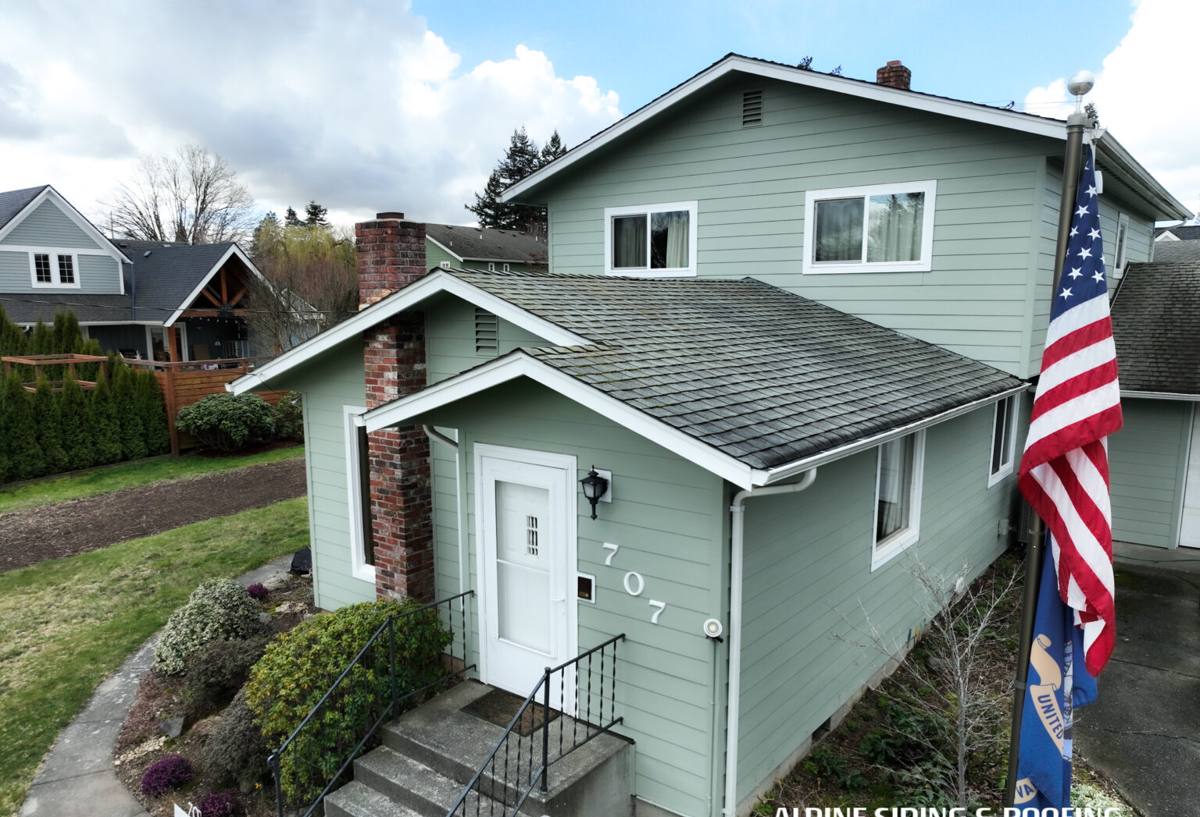
Why Metal Roofing Fits Columbia Homes
Metal roofing's biggest advantage in this climate isn't cosmetic — it's how the material sheds water and resists the organic growth that shingle roofs in shaded, damp areas struggle with year after year. A properly installed metal roof has fewer seams and laps for wind-driven rain to work into, and its smooth, hard surface gives moss and algae far less to grip onto compared to the textured surface of asphalt shingles.
Metal also holds up well to the freeze-thaw swings that hit Whatcom County through the colder, wetter months, and a quality panel system with a proper finish will typically outlast two or more asphalt shingle roofs over its service life. That longer lifespan matters on a Columbia property where reaching the roof for frequent maintenance isn't always convenient, and where fewer major roofing projects over the years is a real, practical benefit rather than just a selling point.
What Local Weather Actually Demands From a Metal Roof
- Corrosion-resistant panels and fasteners: Salt-laden marine air accelerates corrosion on undersized fasteners or lower-grade coatings, and a rusting fastener head is one of the more common early failure points we see on metal roofs installed with the wrong hardware.
- Concealed or properly gasketed fastening: Exposed-fastener panel systems depend entirely on gasket seals staying intact, and driving rain finds any gasket that's degraded or was compressed unevenly during install.
- Underlayment rated for wind-driven moisture: A metal roof is only as watertight as what's underneath it, and a synthetic or self-adhered underlayment gives real backup protection when rain is being pushed sideways instead of just running off.
- Panel finishes suited to coastal exposure: Not every factory finish is rated the same for salt air exposure, and choosing a finish built for coastal conditions matters more on a Columbia roof than it would further inland.
What a Correct Metal Roof Install Involves
Metal roofing rewards careful installation and punishes shortcuts more visibly than shingle roofing does — a wavy panel line or a poorly sealed penetration is obvious from the street in a way a slightly uneven shingle course usually isn't. A correct install works through several distinct stages, each one protecting the next.
Deck Inspection and Tear-Off
Whether we're removing an old shingle roof or an aging metal system, a full tear-off down to the deck is the only way to find rot, soft spots, or hidden moisture damage that's been developing quietly out of sight. Metal roofing can, in some cases, go over an existing layer with the right furring strip system, but we evaluate that option honestly on a case-by-case basis rather than defaulting to it just because it's faster.
Underlayment
A synthetic or self-adhered underlayment goes down across the full deck before any metal panel is set, giving the roof a genuine secondary water barrier. This step matters just as much on a metal roof as it does on a shingle roof, since the underlayment is what stands between the house and any water that ever does find its way past a seam, fastener, or flashing detail.
Panel Selection and Layout
Panel profile, gauge, and fastening method all get chosen based on the specific roof — its slope, its exposure to wind and salt air, and the look the homeowner wants. Panels are laid out and run in a way that minimizes seams in high-exposure areas and keeps end laps out of valleys and other water-concentration points wherever the roof geometry allows it.
Flashing at Valleys, Penetrations, and Walls
Just like with shingle roofs, most metal roof leaks that do happen start at flashing details rather than in the open panel field. Valleys, chimney and vent penetrations, and wall transitions all need flashing that's integrated with the panel system and underlayment as a coordinated assembly, not sealed after the fact with caulk as a substitute for a proper mechanical detail.
Fastening
Fastener spacing, torque, and gasket compression have to follow the panel manufacturer's specification exactly. Overdriven or underdriven fasteners are one of the most common causes of early leaks on metal roofs, and it's a detail that's easy to get wrong at speed and very hard to spot from the ground once the roof is finished.
Comparing Metal Roofing Options for a Columbia Home
| System Type | Typical Lifespan | Fit for Columbia Conditions |
|---|---|---|
| Exposed-Fastener Panels | 25-35 years | Lower upfront cost, but gaskets and fasteners need periodic inspection and eventual replacement over the roof's life |
| Standing Seam (Concealed Fastener) | 40-60+ years | No exposed fasteners for salt air or rain to work on directly; the strongest long-term fit for this climate |
| Stone-Coated Steel | 30-50 years | Heavier textured profile that can mimic shingle or tile appearance while keeping metal's durability |
Standing seam systems tend to be the best match for the exposure Columbia roofs deal with, since there are no exposed fastener heads for salt air or driving rain to work on over time. Exposed-fastener panels remain a reasonable, more affordable option for homeowners who understand the gasket inspection that comes with them, and stone-coated steel is worth a look for anyone who wants metal's durability without a strongly industrial look.
Cost Factors Worth Understanding
Metal roofing bids can vary widely between contractors, and the differences almost always trace back to real scope rather than one company simply padding a number.
| Factor | What It Affects |
|---|---|
| Panel system and gauge | Long-term durability and wind resistance under the exposure this roof will actually see |
| Fastening method | Exposed vs. concealed fasteners, and how much future maintenance the roof will need |
| Underlayment grade | Backup protection against wind-driven rain getting past the panel seams |
| Flashing scope | How thoroughly valleys, penetrations, and wall transitions are detailed |
| Finish and coating | Corrosion resistance in salt air and how well the color holds up over the years |
| Roof pitch and access | Labor time, staging needs, and safety requirements on the job |
Ask any contractor to break these line items out separately rather than handing you a single lump-sum figure. That breakdown is what actually lets you compare two bids that look completely different on paper.
How Our Process Works
Metal roofing is a bigger investment than a shingle replacement, so we keep the process transparent from the first conversation through the final walkthrough.
- In-person inspection: We walk the roof and attic ourselves and document the actual condition of the deck, flashing, and ventilation before recommending anything.
- Written estimate: You get an itemized bid covering tear-off, underlayment, panel system, flashing, and cleanup — not one vague number.
- Panel and finish selection: We walk through the panel profile, gauge, and finish options that make sense for the home's exposure and the look you want.
- Scheduling around weather: We build reasonable flexibility into the timeline, since wet-season delays are a normal part of roofing work in this region.
- Tear-off and deck repair: Old roofing comes off completely, and any deck damage we find gets repaired before underlayment goes down.
- Underlayment, flashing, and panel installation: Each layer goes on to manufacturer specification, with particular attention at valleys, penetrations, and wall transitions.
- Final walkthrough and cleanup: We review the finished roof with you in person and do a full site sweep before considering the job complete.
Why Hiring a Crew That Already Works in Columbia Matters
Metal roofing is less forgiving of installation mistakes than shingle roofing, and a crew that regularly works roofs around Columbia has already seen how salt air corrodes underspecified fasteners, how wind-driven rain finds its way through a poorly integrated flashing detail, and which roof orientations hold moss longest through the wetter months. That's practical experience that shows up in dozens of small decisions over the course of a job, not something a crew unfamiliar with this specific area is likely to account for on the first attempt.
It matters after the job is finished, too. A workmanship warranty is only as good as the company standing behind it years down the road, and a contractor with an ongoing, established presence in this part of Whatcom County is one you can actually reach if a question comes up later.
A Practical Checklist Before You Choose a Metal Roofing Contractor
- Do they specify panel type, gauge, and finish in writing, not just "metal roofing"?
- Does the estimate call out fastening method and underlayment grade separately?
- Is flashing work at valleys, penetrations, and walls explicitly written into the bid?
- Do they carry current WA contractor licensing, liability insurance, and workers' compensation?
- Can they point to recent, real metal roofing work in or near Columbia?
- Does the bid clearly separate the manufacturer's material warranty from the contractor's own workmanship warranty?
Signs Your Columbia Roof May Be Ready for a Metal Replacement
A metal roof upgrade is often worth considering when an existing shingle roof is showing its age, or when a homeowner is tired of dealing with recurring moss and moisture issues on shaded roof planes.
- An asphalt shingle roof approaching or past the end of its expected service life
- Recurring moss or algae growth that keeps returning despite regular cleaning
- Visible granule loss, curling, or lifted shingle edges on an existing roof
- A desire for a longer-lasting roof with fewer major projects over the years ahead
- Interest in a roofing material that sheds snow and rain more efficiently than shingles
If any of that sounds like where you're at, it's worth having an honest look at whether metal roofing makes sense for your specific home before committing to another round of shingles.
If you'd like a straightforward, no-pressure look at your Columbia roof and a written estimate you can actually compare against anything else you've received, we're glad to come take a look. Use the form below to request a free estimate.