 Bellingham Exterior
 Siding Repair Built for Puget's Weather, Not a Generic Climate
Homes near Puget in the Bellingham area sit in a specific weather lane: salt-laden air off the water, wind-driven rain that hits siding sideways instead of straight down, and a moss season that can stretch for months every year. That combination wears siding differently than it would inland, and it means a "repair" that ignores those factors usually fails again within a couple of seasons. We approach every siding repair call in this area the same way — figure out what the climate actually did to the wall assembly, not just what's visible on the surface, then fix that instead of patching over it.
This page is specifically about repair work — fixing damaged, failing, or aging siding rather than a full re-side. If your siding is sound overall but has isolated problem areas, this is usually the right service. We'll also tell you honestly when a repair isn't the smart move and full replacement makes more sense.
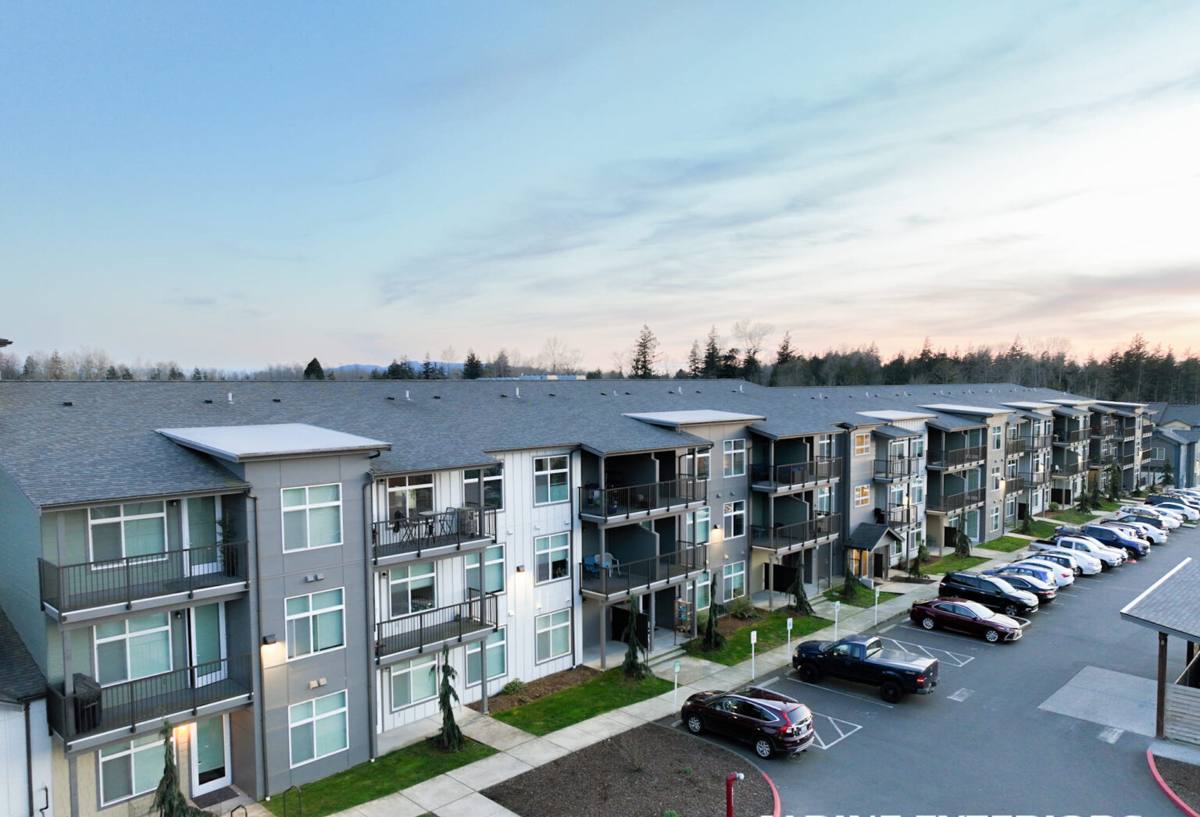
What Puget's Climate Does to Siding Over Time
Salt Air and Corrosion
Proximity to Puget Sound means airborne salt settles on exterior surfaces and accelerates corrosion of fasteners, flashing, and any metal trim tied into the siding system. When nails or staples corrode, they lose their grip, and siding panels start to loosen, warp, or pull away at the edges. This is one of the most common repair triggers we see in this area — damage that looks like "the siding is failing" but is actually the fastening hardware failing underneath it.
Driving Rain and Water Intrusion
Wind off the water pushes rain horizontally into siding seams, laps, and trim joints in a way that straight-down rain never does. Over years, that pressure finds any weak point — a gap where two pieces of trim meet, a nail hole that wasn't sealed properly, a lap joint that's opened up slightly. Water gets behind the siding before it ever shows a stain on the surface, and by the time you see discoloration or soft spots, moisture has often been working on the sheathing behind it for a while.
Moss and Trapped Moisture
Bellingham's long wet season gives moss and algae plenty of time to establish on north-facing walls, under eaves, and anywhere airflow is limited. Moss holds moisture against the siding surface far longer than open air would, which keeps that section of wall wet for extended stretches even between storms. On materials that aren't dimensionally stable, that constant damp cycle causes swelling, softening, and eventually structural breakdown of the siding itself.
Signs Your Siding Needs Repair
Most siding problems in this area show up as isolated trouble spots rather than failure across the whole house. Look for:
- Panels or boards that are visibly loose, bowed, or pulling away from the wall
- Soft or spongy spots when you press on the siding, especially near the bottom courses
- Persistent moss or dark streaking that keeps coming back after cleaning
- Cracked, chipped, or crumbling sections, particularly around corners and trim
- Paint that's peeling or bubbling in a specific area rather than uniformly across the house
- Visible rust staining running down from nail heads or metal trim
- Gaps opening up at seams, laps, or where siding meets window and door trim
- Interior signs — a musty smell, a damp patch on an inside wall, or peeling interior paint on an exterior-facing wall
Any one of these on its own might be a straightforward repair. Several of them together, especially combined with interior signs, usually means water has gotten further into the wall assembly than the exterior suggests.
Repair or Replace? How We Actually Decide
We don't default to "replace it all" just because it's a bigger job, and we don't patch something that's going to fail again in a year just to keep the estimate small. The honest answer depends on scope and what's happening behind the siding.
| Factor | Repair Usually Makes Sense | Replacement Usually Makes Sense |
|---|---|---|
| Extent of damage | Isolated to one wall, corner, or a handful of boards | Recurring problems across multiple walls or elevations |
| Sheathing condition | Sheathing behind the damaged area is still sound | Sheathing is soft, rotted, or water-stained over a wide area |
| Age of existing siding | Siding is otherwise in good condition and well within its service life | Siding is at or past its expected lifespan, or the material itself is prone to repeat failure |
| Material match | Replacement pieces can be matched closely to the existing siding | Original material is discontinued, badly faded, or a poor long-term match |
| Underlying cause | Root cause (a flashing gap, a fastener issue) is fixable without removing large sections | Root cause is systemic — inadequate moisture barrier, widespread trapped moisture, poor original installation |
We'll walk you through which category your situation falls into before we quote anything, with the reasoning behind it — not just a number.
What a Correct Repair Actually Involves
Diagnose Before Touching Anything
The first step is figuring out why the siding failed, not just where. If we replace a damaged board without addressing a fastener that's corroding or a flashing detail that's letting water in, the new material fails the same way the old one did. We check the condition of the sheathing and moisture barrier behind any damaged section before deciding on a repair scope.
Address the Cause, Then the Symptom
That might mean correcting a flashing detail above a window, replacing corroded fasteners with corrosion-resistant ones, improving a joint that wasn't properly sealed, or addressing an airflow issue that's letting moss establish and hold moisture against the wall. The visible siding repair only holds up long-term if the cause is fixed alongside it.
Match Materials and Finish
A repair should blend in, not stand out as an obvious patch. We work to match the siding profile, exposure, and color as closely as the existing material allows, and we're upfront if an exact match isn't realistic due to fading or a discontinued profile.
Reseal and Recheck Moisture Path
Every repair gets buttoned up with proper sealant at joints and fastener heads, and we confirm water has a clear path to shed away from the wall rather than pooling or wicking back in — a detail that matters more here than in drier climates because of how much rain this area gets.
Why We Only Repair and Replace With James Hardie Fiber Cement
When a repair section needs new material, or when the damage points toward a fuller re-side down the line, we use James Hardie fiber cement exclusively. We don't install vinyl, LP SmartSide, Cemplank, Allura, primed spruce, or cedar, and that's a deliberate standard, not a lack of options.
Fiber cement doesn't rot, doesn't feed moss the way wood-based products can, and is non-combustible. Hardie's ColorPlus factory finish holds up to UV and salt air significantly better than field-applied paint, which matters directly for a coastal-influenced climate like this one. Their HZ5 product line is engineered for wetter, harsher climates specifically — the kind of driving rain and damp cycles Puget-area homes deal with regularly. When we patch or extend siding with the same manufacturer and product line already on the house, the repair holds its finish and performance the same way the original installation does, instead of introducing a mismatched material that ages differently.
We won't tell you a cheaper repair material is fine when we don't believe that's true. If a repair calls for new siding material, it's Hardie — same as everything else we install.
Why a Crew That Already Works in This Area Matters
Siding repair work in coastal Whatcom County is different from repair work fifty miles inland. A crew that hasn't dealt with salt-air fastener corrosion, wind-driven rain patterns, or a moss season this long can misdiagnose a problem or under-spec a fix. We work on homes throughout the Bellingham area regularly, including in and around Puget, so we're not guessing at how this climate behaves — we've seen what fails here and why, and we build the repair to hold up against those specific conditions rather than a textbook version of "siding damage."
Our Repair Process, Start to Finish
- Inspection and diagnosis — we assess the visible damage, check for signs of moisture behind the siding, and identify the root cause
- Honest scope and estimate — you get a clear picture of what's repair-appropriate versus what would need a broader fix, with reasoning, before any work starts
- Root-cause correction — flashing, fasteners, or sealant issues get addressed as part of the repair, not left for next time
- Material replacement and matching — damaged sections are replaced with James Hardie fiber cement matched as closely as possible to the existing siding
- Final weatherproofing check — we confirm the repaired area sheds water correctly before calling the job done
If you're seeing loose boards, moss buildup that keeps returning, soft spots, or staining on your siding near Puget, it's worth having it looked at before the next wet stretch of weather does more damage underneath. We offer free, no-pressure estimates — use the form below to get a straightforward assessment of what your siding actually needs.