 Bellingham Exterior
 Siding Built for Barkley's Microclimate
Barkley sits close enough to Bellingham Bay and the surrounding wetlands that homes here take a specific kind of weather beating: salt-tinged marine air, wind-driven rain off the water, and a moss season that runs longer than most homeowners expect. None of that is unusual for Whatcom County, but it does mean siding decisions that work fine in a drier inland climate can fail early here. When we install siding in Barkley, we're not just matching a color to a house — we're accounting for how this specific pocket of Bellingham weather behaves against a wall assembly, year after year.
This page covers what siding installation actually looks like for a Barkley home: what the climate demands, what correct installation involves, how our process runs from first look to final walkthrough, and why a crew that already knows this neighborhood's conditions catches problems a generalist crew might miss.
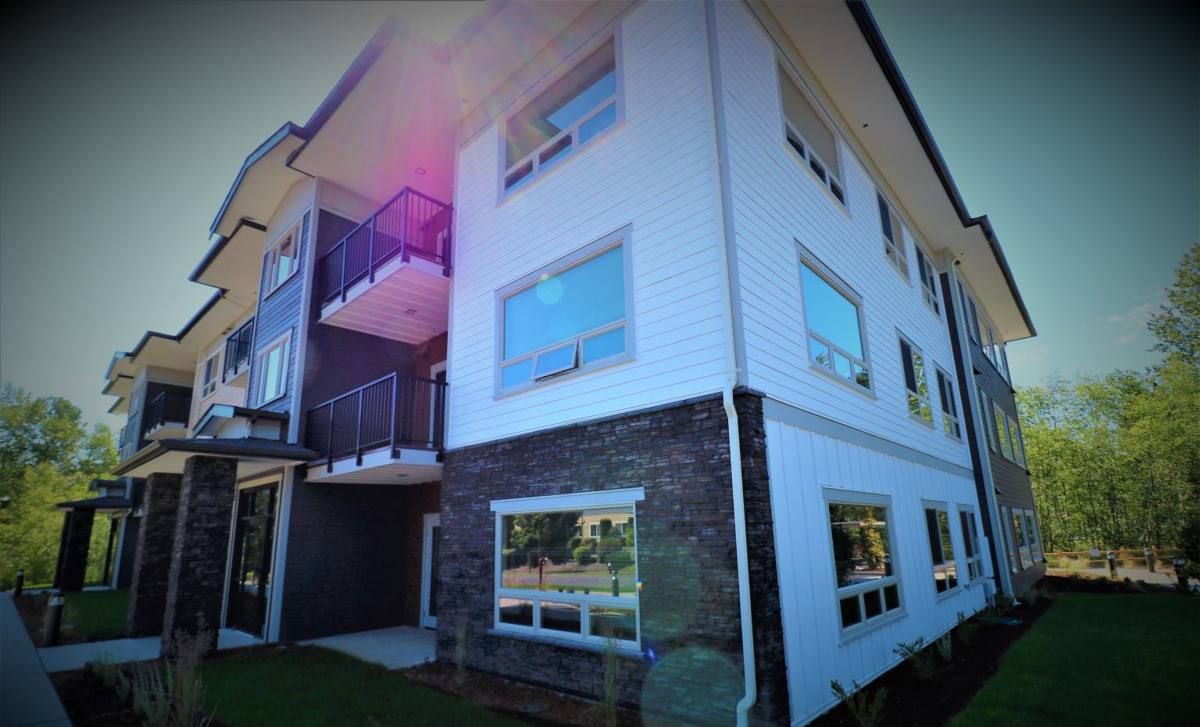
What Bellingham's Weather Does to Siding Over Time
Three things drive most of the siding failures we see on Barkley homes, and they compound each other rather than acting alone.
Salt Air and Fastener Corrosion
Proximity to the bay means airborne salt settles on exterior surfaces even a few miles inland. Over years, that salt accelerates corrosion on unprotected or under-spec fasteners, trim flashing, and any metal component behind the siding. When fasteners corrode, they lose holding strength — and siding that's lost its grip is siding that lets water behind it.
Driving Rain and Wind-Loaded Moisture
Bellingham doesn't just get rain — it gets rain pushed sideways by wind coming off the water. That matters because siding systems are engineered around the assumption that most water runs down and off the face of the wall. Wind-driven rain pushes moisture up and under laps, into joints, and around penetrations that a calmer climate would never stress-test. A siding job that isn't detailed for wind-driven rain will eventually show it, usually at seams, corners, and window heads first.
The Long Moss Season
Whatcom County's moss season isn't a few weeks in spring — shaded, north-facing walls and anything near tree cover can stay damp enough to grow moss and algae for much of the year. Moss holds moisture against the siding surface far longer than open air would, which is a problem for any material that isn't dimensionally stable and rot-resistant when wet. It's also a cosmetic issue that shows up faster on some siding finishes than others.
Why We Install Only James Hardie Fiber Cement in Barkley
We don't install LP SmartSide, vinyl, Cemplank, Allura, or bare cedar or spruce siding — not because those products have no merit, but because we've standardized our crews, our detailing, and our warranty backing on one system: James Hardie fiber cement. In a climate like Bellingham's, consistency in material behavior matters more than flexibility in options. Fiber cement doesn't absorb and swell with moisture the way wood-based products can, it won't degrade under prolonged dampness the way engineered wood siding can if a seam ever fails, and it's non-combustible, which matters increasingly for insurance and fire-risk conversations in the Pacific Northwest. Hardie's HZ5 product line is specifically engineered for climates with sustained moisture exposure, and the factory-applied ColorPlus finish holds color and resists the fading and moss staining that raw or field-painted siding shows first. Standardizing on one product also means our crews aren't relearning installation details for four different systems — they install Hardie correctly because it's the only thing they install.
What a Correct Installation Involves
Siding failures in this climate are rarely about the siding panel itself — they're almost always about what's behind and beneath it. A correct installation in Barkley pays as much attention to the parts you won't see once the job is done as to the finished appearance.
Moisture Management Behind the Panel
- A weather-resistive barrier installed as a continuous drainage plane, lapped correctly from bottom to top so water sheds outward, not inward
- Rainscreen or furring where the wall assembly calls for it, giving trapped moisture a path to dry out instead of sitting against the sheathing
- Properly flashed windows, doors, and penetrations, with head flashing that directs water out and away rather than behind the siding
- Starter strips and kick-out flashing at roof-wall intersections, a detail that's easy to skip and expensive to fix later
Fastening, Gaps, and Finish Details
Hardie panels need to be fastened per manufacturer spec — correct fastener type, spacing, and depth, not driven so tight the plank can't move with normal seasonal expansion. Butt joints and panel ends get factory-primed or field-sealed per Hardie's guidelines so raw cut edges aren't left exposed to the moisture load this area sees. Caulking is used at transitions and penetrations, not as a substitute for proper flashing — caulk is a backup layer, never the primary water management strategy.
Our Process, Start to Finish
Assessment and Estimate
We walk the exterior, check the current siding and what's behind it where accessible, note moisture-prone areas (shaded sides, spots with moss buildup, roof-wall intersections), and give a straightforward estimate based on what the house actually needs — not a generic per-square-foot number.
Prep and Tear-Off
Old siding comes off, sheathing gets inspected for rot or damage from prior moisture intrusion, and any deteriorated material is addressed before anything new goes up. Installing new siding over a compromised wall assembly just hides the problem.
Weather Barrier and Flashing
This is where most of the long-term performance is decided. The drainage plane, flashing at every penetration, and any rainscreen component go in before a single piece of Hardie touches the wall.
Siding Installation
Panels, fastening, and trim go in to Hardie spec, with attention to fastener corrosion resistance given the salt air exposure common across Barkley.
Final Walkthrough
We review the finished work with you, check caulking and trim lines, and make sure every penetration and transition is sealed and flashed correctly before calling the job done.
Siding Options Compared for Barkley Conditions
| Material | Moisture Behavior | Maintenance in This Climate | Our Position |
|---|---|---|---|
| James Hardie Fiber Cement | Dimensionally stable, doesn't swell or rot when wet | Low — factory finish resists moss staining and fading | What we install |
| Vinyl | Doesn't absorb water, but seams and panels can flex, warp, or crack under temperature swings and wind loading | Low, but color fades and impact damage isn't repairable | Not installed by us |
| LP SmartSide (engineered wood) | Treated to resist moisture, but any breach in the finish exposes wood substrate to prolonged dampness | Moderate — finish and caulked seams need monitoring | Not installed by us |
| Cedar / Primed Spruce | Natural wood, absorbs and releases moisture; performance depends heavily on finish upkeep | High — refinishing cycle needed to prevent rot and moss | Not installed by us |
What Drives Cost on a Barkley Siding Job
Every home is different, but a few factors consistently move the price on projects in this neighborhood:
| Factor | Why It Matters Here |
|---|---|
| Extent of tear-off and sheathing repair | Homes with long-term moisture exposure or moss buildup sometimes have hidden sheathing damage discovered during tear-off |
| Wall complexity | Dormers, multiple roof-wall intersections, and varied siding profiles all add flashing detail and labor time |
| Access and site conditions | Lot slope, landscaping, and staging space affect how efficiently a crew can work |
| Product selection within the Hardie line | Plank profile, exposure width, and ColorPlus color selection carry different material costs |
| Trim and detail work | Corner boards, window trim, and fascia detailing add finish time beyond the field siding itself |
We give a firm, itemized estimate after seeing the house — not a ballpark based on square footage alone.
Signs a Barkley Home May Need New Siding Soon
- Moss or algae that returns quickly after cleaning, especially on shaded or north-facing walls
- Soft spots, bubbling, or visible warping anywhere on the siding surface
- Paint that's peeling or blistering in a pattern that follows seams or panel joints rather than sun exposure
- Gaps opening up at trim, corners, or butt joints
- Rust staining running down from fasteners or metal trim
- Visible daylight or drafts at penetrations like outlets, vents, or hose bibs
- A musty smell near exterior walls, which can indicate moisture already behind the siding
Why Hiring a Crew That Already Works Barkley Matters
A crew that regularly works this neighborhood already knows which walls take the worst of the wind-driven rain, which lots hold onto moss longer because of tree cover or shading, and how salt air exposure tends to show up first on fasteners and trim. That familiarity shows up in small decisions — where to add extra flashing attention, which side of the house needs the most careful joint sealing, how to sequence the job around Bellingham's wetter stretches of the year. It also means fewer surprises: a crew that's seen what Whatcom County weather does to a wall assembly over ten or fifteen years installs differently than one working from a generic spec sheet.
Get a Free, No-Pressure Estimate
If your Barkley home's siding is showing its age, or you're planning ahead before the next wet season sets in, we're happy to take a look and walk you through exactly what your home needs. Use the form below to request a free estimate — no pressure, just a straight assessment of your siding and what correct installation would involve for your specific house.