 Bellingham Exterior
 Why South Hill Decks Wear Out Faster Than You'd Expect
South Hill sits up above the flats of Bellingham, which means more exposure to weather moving in off Bellingham Bay and the Strait of Georgia — driving rain, salt-tinged air, and the shade from mature trees that never quite lets a deck dry out between storms. Add in Whatcom County's long, wet shoulder seasons, and you get a climate that's tough on any exterior wood structure, but especially tough on decks, which sit low, flat, and horizontal — the worst possible orientation for shedding water.
We see the same pattern on deck after deck in this neighborhood: boards that look fine from a distance but are soft underneath, ledger boards holding moisture against the house, and a slow build-up of moss and algae that traps water right where it does the most damage. None of that is unusual for the area. It's just what happens to an outdoor wood or composite structure that spends eight or nine months a year damp.
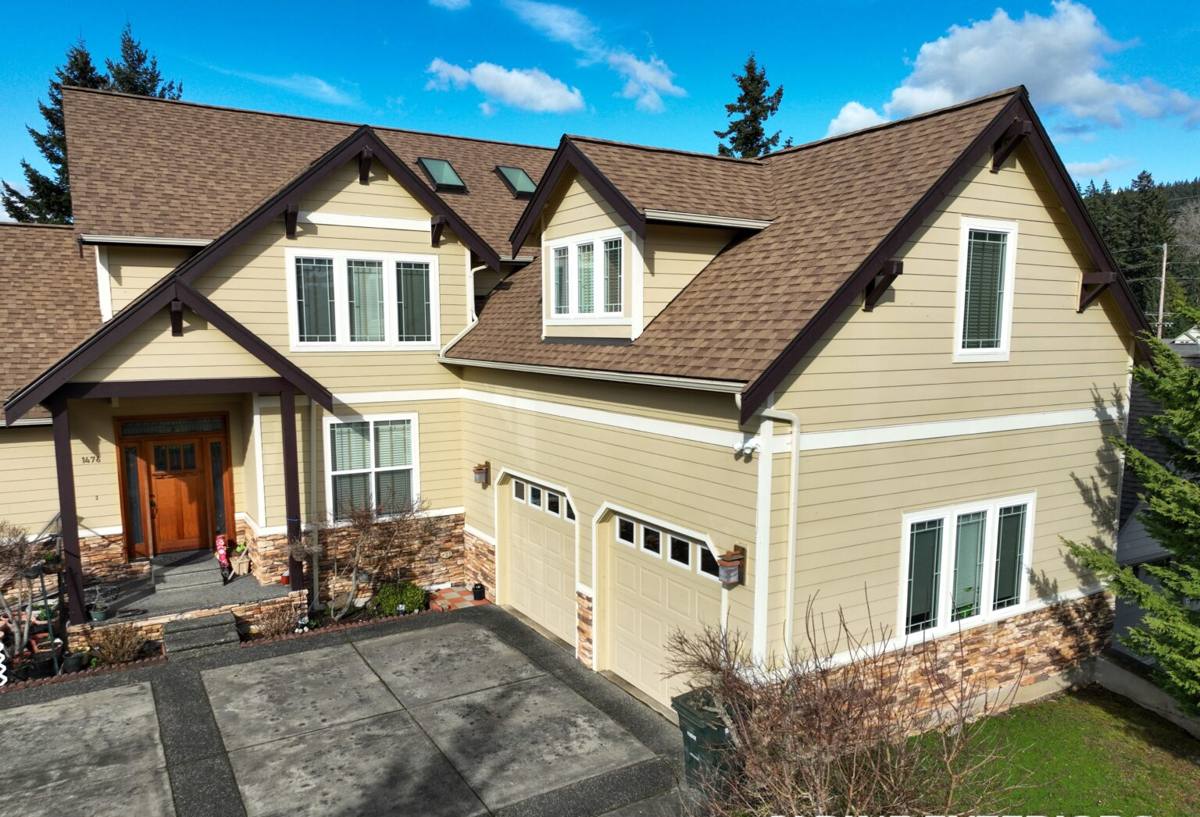
The Deck Problems We Run Into Most Often in South Hill
Moss, Algae, and Slick Surfaces
Shaded lots and long wet stretches mean moss and algae get a real foothold on deck boards, especially on the north side of a house or under overhangs. Beyond the slip hazard, moss holds moisture against the board surface, which accelerates rot in wood decking and can stain or degrade composite boards over time if it's left to build up season after season.
Rot at the Ledger Board and Rim Joist
The ledger board — where the deck attaches to the house — is the single most common failure point we find. If the flashing behind it was installed poorly (or not at all), rainwater tracks down the siding, behind the ledger, and into the framing. This is a structural issue, not a cosmetic one, and it's often invisible until a board starts to feel spongy or a railing post starts to wobble.
Corroded or Failing Fasteners
Salt-laden coastal air speeds up corrosion on screws, nails, and joist hardware that isn't rated for exterior, coastal exposure. Rust stains bleeding through decking, streaking down fascia boards, or around post bases are usually a sign that the original fasteners weren't up to the job — not that the deck itself is failing.
Cupped, Splitting, or Soft Decking Boards
Wood decking that repeatedly wets and dries cups, splits, and eventually softens. Composite boards handle moisture differently but aren't immune — poor drainage underneath, or boards installed without enough gap for airflow, can trap water and cause swelling at butt joints.
Railing and Guard Post Movement
Loose or wobbly railings are a safety issue first and a repair issue second. Movement at a post usually means the fasteners or the framing behind it have deteriorated — patchwork tightening rarely holds for long once that's happened.
What an Honest Deck Repair Actually Involves
A repair that's done right starts with figuring out what's actually wrong, not just what's visible. That means checking beneath the deck, not just walking the surface.
Structural Inspection First
Before we touch a single board, we get underneath the deck and check the ledger connection, joists, beams, and post bases for soft spots, rot, and corrosion. A deck can look perfectly presentable on top while the framing underneath has already been compromised — that's exactly the situation a surface-only repair misses.
Cosmetic vs. Structural, and Why the Difference Matters
Some problems are genuinely cosmetic — moss buildup, weathered finish, a few surface-checked boards. Others are structural — a soft ledger, a rotted joist, a post base that's lost its connection to the footing. We'll always tell you plainly which category a problem falls into. Painting over or re-fastening a structural problem without addressing the cause just hides it for another season.
Permits and Code on Structural Work
Structural deck repairs — replacing framing, re-securing the ledger connection, or rebuilding a guard rail system — can trigger permit requirements from the City of Bellingham or Whatcom County depending on the scope and your property's location. We'll flag when that applies before starting work rather than letting it surprise you later.
Repair or Replace? A Straight Answer
Not every deck problem calls for a full rebuild, and not every deck is worth patching. Here's how we typically think through it:
| Situation | Usually Repair | Usually Replace |
|---|---|---|
| Ledger/framing condition | Solid, isolated soft spots | Widespread rot, multiple compromised joists |
| Decking surface | A few damaged boards | Most boards cupped, split, or soft |
| Age of structure | Under 12-15 years, well-built originally | Older, or built without proper flashing/drainage |
| Fasteners/hardware | Localized corrosion | Rust and staining throughout |
| Typical cost range | Roughly $400-$1,800 depending on scope | Full rebuild costs vary widely by size and materials |
Those cost figures are broad and meant only to set expectations — every deck is different, and the only way to get a real number is a look in person.
How We Approach a South Hill Deck Repair
- On-site inspection. We check the deck from above and below, including ledger flashing, joist condition, post bases, and railing connections.
- Moisture and soft-spot check. We probe suspect areas to find rot before it's visible on the surface, not after a board fails.
- Clear scope and honest quote. You'll know what's cosmetic, what's structural, and what each part of the job actually requires — no upselling a full rebuild when a repair will genuinely hold.
- Repair the cause, not just the symptom. If the problem is a flashing failure at the ledger, we fix the flashing — not just the board that rotted because of it.
- Clean up and walk-through. We leave the site clean and show you what was done and what to watch going forward.
Materials and Fasteners: Why the Choice Matters Here
In a climate with this much sustained moisture and coastal air, material choice isn't cosmetic — it determines how long a repair actually lasts.
Decking Material
Repaired sections of a wood deck should match the existing material where possible for a consistent look and even weathering. Where a homeowner is ready to move away from wood, composite decking sheds moisture differently than wood and doesn't need refinishing, though it still needs proper drainage and airflow underneath — swapping materials without addressing the framing and drainage underneath just moves the moisture problem, it doesn't solve it.
Flashing and Fasteners
We use flashing designed to keep water out of the ledger connection and fasteners rated for exterior, corrosion-prone environments — not standard interior-grade hardware. This one detail is the difference between a repair that holds for years and one that starts rusting and staining again within a season or two.
Timing: Why Season Matters for Deck Repair Here
Whatcom County's wet season runs long, and moss growth tends to peak through the darker, damper months. Structural repairs go better when the wood underneath has had a chance to dry out, which usually means late spring through early fall is the more reliable window for major work. Moss and algae cleaning can happen more flexibly, but catching it before deep winter rains is the better call for keeping surfaces from staying saturated all season.
Homeowner Checklist: Signs Your South Hill Deck Needs a Look
- Boards that feel soft, spongy, or flex more than they used to
- Green or black growth building up on the surface, especially in shaded areas
- Rust streaks running down decking, fascia, or post bases
- Any wobble or movement in a railing or guard post
- Gaps opening up where the deck meets the house, or at the ledger board
- Standing water that doesn't drain within a few hours after rain stops
- Nails or screw heads that have backed out or are visibly rusted
If more than one or two of these sound familiar, it's worth having someone look underneath before it becomes a bigger repair.
Why It Matters to Hire a Crew That Already Works This Neighborhood
South Hill's terrain, tree cover, and exposure to weather coming off the water aren't the same as a flat, open lot elsewhere in Bellingham. A crew that already works this area knows to check the ledger flashing first, expects moss buildup on north-facing sections, and isn't guessing at how the local climate behaves on a deck over time. That local pattern recognition is what separates a repair that's cosmetic from one that actually solves the underlying problem — and it's the difference between calling us back next year and not needing to.
If your deck in South Hill has soft spots, moss buildup, rust stains, or a railing that doesn't feel as solid as it used to, we're happy to take a look. Estimates are free and there's no pressure to move forward — just a straight assessment of what's going on and what it would take to fix it right. The form below is the easiest way to get started.