 Bellingham Exterior
 Composite Decking Built for Sunnyland's Weather, Not Just Its Views
Sunnyland sits close enough to Bellingham Bay that homes here deal with a specific mix of conditions: salt-tinged air rolling off the water, long stretches of driving rain through fall and winter, and a moss season that can run from October well into spring. A deck in this neighborhood isn't just furniture for the yard — it's an exterior surface that takes a beating from moisture and organic growth almost year-round. Composite decking, installed correctly, holds up to that mix far better than most wood options. Installed poorly, it can trap moisture, grow mildew, and fail early just like anything else.
This page is about composite decking specifically for Sunnyland homes — what the local climate demands, what a correct installation actually involves, and why hiring a crew that already works this part of Bellingham matters more than picking a brand name off a shelf.
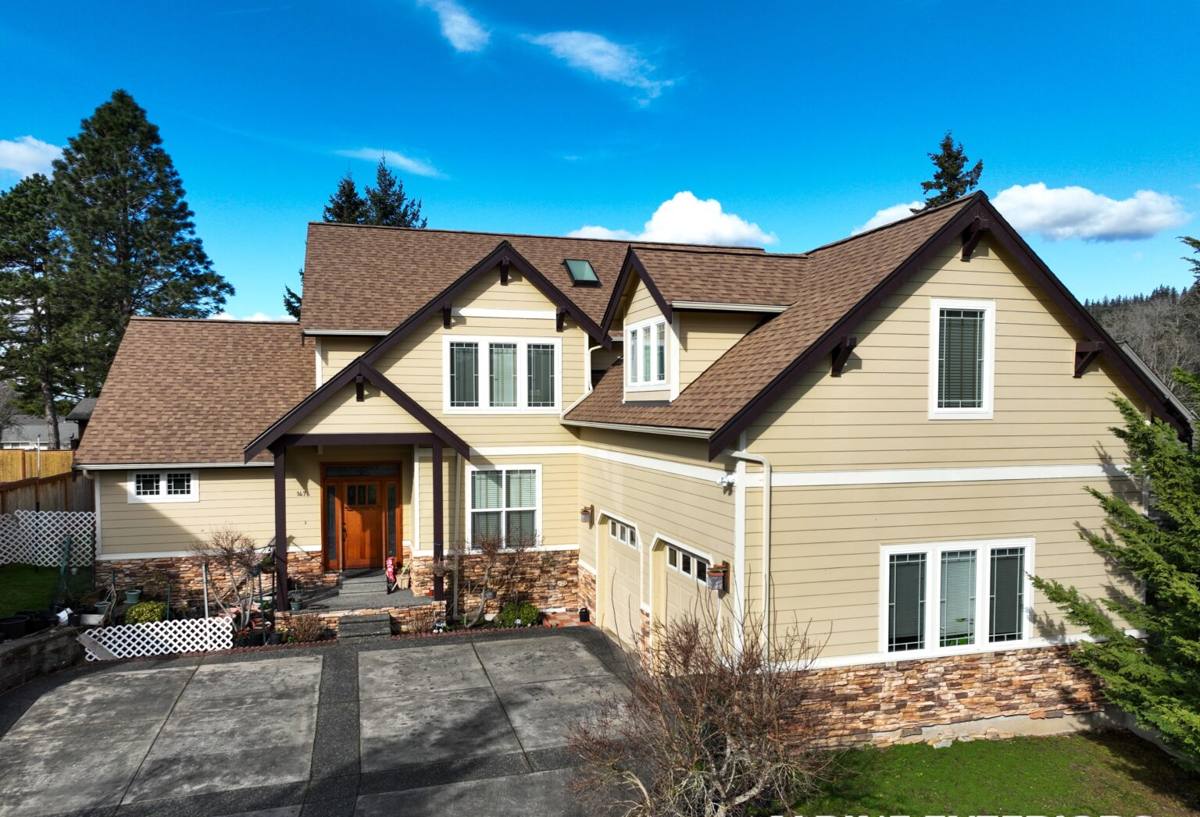
What Sunnyland's Climate Actually Does to a Deck
Salt Air and Metal Fasteners
Proximity to the bay means a low but steady level of salt in the air, especially on windier days. Salt accelerates corrosion in fasteners, brackets, and any exposed metal hardware. On composite decks, the boards themselves shrug this off, but the hidden fastener system, ledger flashing, and post hardware are where corrosion actually starts — and where it's easiest to overlook if a crew isn't used to building near the water.
Driving Rain and Standing Water
Whatcom County's rain doesn't just fall straight down — wind-driven rain gets under rail caps, into end-grain cuts, and behind ledger boards if they aren't flashed correctly. Composite boards don't rot the way wood does, but water that has nowhere to go still causes problems: staining, mold growth on the surface, and stress on the substructure underneath.
Moss and Algae Season
A long, damp shoulder season means moss and algae get a real foothold on any horizontal surface that stays shaded and wet, including decking. Some composite boards resist this better than others depending on their surface texture and cap technology — this is one of the biggest practical differences between product lines, and one we walk homeowners through before they choose.
Why Composite Makes Sense for This Neighborhood
Wood decking can absolutely work in Bellingham, but it asks a lot of a homeowner in a climate like this — annual cleaning, periodic sealing, and a real risk of soft spots or rot if maintenance slips even one season. Composite decking, particularly modern capped composite, is built to handle sustained moisture exposure without absorbing water into the board itself. For Sunnyland specifically, that means:
- No annual sealing or staining schedule to keep up with through the wet months
- Better resistance to surface mold and mildew than uncapped wood or older composite formulations
- Consistent appearance year after year without graying, cupping, or splintering
- Less vulnerability to the freeze-thaw cycles that hit exposed decks on cooler nights near the water
None of that means composite is maintenance-free — it isn't — but the maintenance burden shifts from "structural upkeep" to "occasional cleaning," which is a meaningfully easier trade for most homeowners.
What a Correct Composite Deck Build Actually Involves
A lot of deck problems we get called out to fix in this area didn't start with the decking material — they started with shortcuts in the substructure or drainage. A correct build, especially in a climate like this one, includes:
Substructure First
Joists and beams need to be sized and spaced for the specific composite product being used — composite boards have different span ratings than wood, and ignoring that leads to bounce, sagging, or premature stress on the boards. We also use joist tape or an equivalent moisture barrier on top of the framing, which matters more here than in drier climates because it keeps constant rain exposure from working its way into the substructure over time.
Proper Ledger Flashing
Where the deck attaches to the house, flashing has to be installed and layered correctly so wind-driven rain can't get behind the ledger board and into the wall assembly. This is one of the most common failure points on older decks in wet coastal climates, and it's invisible once the deck is finished — which is exactly why it needs to be done right the first time.
Hidden Fastener Systems
Most composite decking today is installed with hidden fastener clips rather than face-screwed boards. Done correctly, this gives a cleaner look and reduces the number of exposed metal points that could corrode. The fasteners themselves need to be corrosion-resistant hardware appropriate for near-coastal exposure — not just whatever came bundled cheapest.
Airflow and Drainage Underneath
Low-clearance decks or decks built close to grade need attention to airflow underneath so moisture doesn't just sit there. In a moss-prone climate, a deck with poor underside ventilation stays damp longer, which encourages growth both underneath and eventually on the surface.
Comparing Decking Approaches for a Sunnyland Home
| Factor | Pressure-Treated Wood | Basic Uncapped Composite | Capped Composite |
|---|---|---|---|
| Moisture resistance | Moderate — needs sealing | Good, but can absorb some surface moisture | Best — cap layer resists water intrusion |
| Moss/algae resistance | Poor without regular cleaning | Moderate | Good, especially with textured caps |
| Annual maintenance | Cleaning + sealing/staining | Occasional cleaning | Occasional cleaning |
| Typical lifespan (this climate) | 10-15 years with upkeep | 15-20 years | 20-30+ years |
| Upfront cost | Lowest | Mid-range | Higher, but lower lifetime cost |
These are general ranges based on how these materials typically perform in wet, near-coastal Pacific Northwest conditions — actual results depend on installation quality, sun exposure, and how well the deck is maintained.
Our Process for Sunnyland Deck Projects
- On-site assessment — we look at drainage, sun/shade exposure, existing structure (if replacing an old deck), and how the deck ties into the house.
- Material selection — we walk through composite options with the homeowner, including cap type, color, and board profile, weighing upfront cost against long-term performance in this climate.
- Substructure and flashing work — this is where most of the long-term durability is actually decided, and we don't shortcut it even though it's the part homeowners never see once the deck is done.
- Composite installation — hidden fastener systems, proper board spacing for expansion, and manufacturer-specified fastening.
- Final walkthrough — checking rail attachment, stair details, and drainage before we call the job finished.
A Practical Checklist Before You Commit to a Deck Project
- Ask what the substructure inspection or replacement plan is — not just what decking material is going on top
- Confirm how ledger flashing will be handled where the deck meets the house
- Ask about fastener hardware and whether it's rated for near-coastal, high-moisture use
- Get clarity on the manufacturer's warranty terms, including what voids it (this is often installation-related)
- Ask how underside airflow and drainage will be handled, especially for low-clearance decks
- Get a written scope so "composite decking" doesn't turn into a vague line item
Why Local Experience in Bellingham Matters Here
Composite decking is installed all over the country, but the details that matter — flashing choices for wind-driven rain, hardware suited to salt-tinged air, and material choices that resist moss through a long damp season — are shaped by the specific conditions of a place. A crew that regularly works Bellingham and greater Whatcom County has already seen how different composite products actually perform here over several wet seasons, not just what a manufacturer's brochure claims. That local track record is what separates a deck that still looks and functions well in year eight from one that starts showing problems in year three.
We also know the practical realities of building in a neighborhood like Sunnyland — lot sizes, typical grade and drainage patterns in the area, and the kind of exposure a deck is likely to get depending on its orientation to the water and prevailing weather. That local familiarity shortens the guesswork on every project.
Maintaining a Composite Deck in This Climate
Even low-maintenance composite decking benefits from a bit of seasonal attention here:
- A rinse and soft-bristle brush cleaning once or twice a year, focused on shaded areas prone to moss
- Keeping gutters and downspouts clear so runoff isn't dumping directly onto or near the deck
- Clearing leaves and debris from between boards before they trap moisture
- Checking rail posts and stair connections periodically for any movement
None of this is heavy work, but skipping it entirely for years at a time is where even good composite decking starts to show its age faster than it should.
Ready to Talk Through Your Sunnyland Deck Project?
If you're weighing composite decking for a home in Sunnyland, we're glad to walk the site, talk through material options honestly, and give you a clear picture of what the job actually involves. Fill out the form below for a free, no-pressure estimate.