 Bellingham Exterior
 Windows Built for York's Coastal Conditions
Homes in the York neighborhood sit close enough to the water and the wet Pacific weather patterns that move through Whatcom County to take a real beating on their window systems. Salt-laden air corrodes hardware and dulls finishes faster than it does further inland. Driving rain, pushed sideways by wind off the bay, tests every seal and sill on the west and south-facing sides of a house. And the long stretch of gray, damp months each year gives moss and algae months of uninterrupted growing time on any surface that stays shaded and moist — including window sills, trim, and the corners of frames that don't drain properly.
None of that means windows in York need to be exotic or over-engineered. It means the details that get skipped on a rushed install — flashing, drainage, hardware grade, sealant choice — matter more here than they would in a drier climate, and they show up as problems years sooner when they're wrong.
What "Custom" Means on an Older or Irregular Home
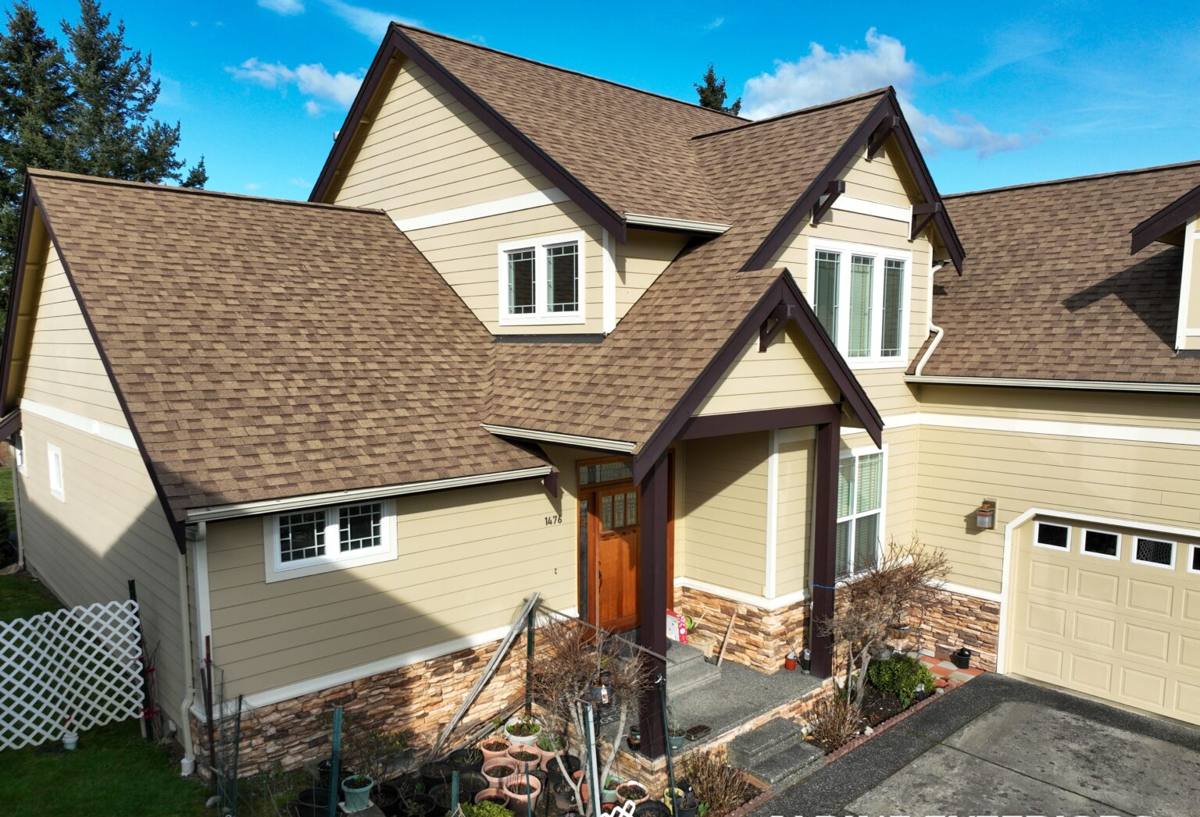
A lot of York homes weren't built with standard, off-the-shelf window openings. Additions, older construction methods, and settling over the decades mean actual openings are often slightly out of square, out of level, or a nonstandard size. "Custom" in this context usually means one of two things:
- The window itself is manufactured to the exact dimensions of your opening, rather than forcing a stock size to fit with extra shimming and trim
- The window style, grid pattern, or configuration matches the architectural character of the house — instead of a generic replacement that looks obviously bolted on
Both matter. A window that's slightly undersized for its opening gets packed with shims and caulk to fill the gap, which is exactly the kind of shortcut that leaks in a few years under sustained wind-driven rain. A properly sized custom unit installs with consistent, even gaps that flash and seal correctly the first time.
When Custom Is Actually Necessary
Not every window replacement needs a fully custom unit. If your existing openings are standard and square, a quality stock window sized to match can perform just as well and cost less. We only recommend custom sizing when the opening genuinely calls for it — after we've measured, not before.
Signs Your Windows Are Losing the Fight With the Climate
Most window failure in this area doesn't happen all at once. It shows up as small signs first, and by the time they're obvious, moisture has usually already gotten into the wall assembly. Worth checking for:
- Soft or discolored wood trim around the frame, especially at the bottom corners
- Fogging or a hazy film between panes of double-glazed glass — a sign the seal has failed
- Visible moss or dark streaking on the sill or lower frame that keeps coming back after cleaning
- Difficulty opening, closing, or locking a window that used to operate smoothly
- A noticeable draft or cold spot near the frame during windy, rainy weather
- Corroded or stiff hardware — hinges, cranks, or locks that have pitted or seized
- Paint or finish that's bubbling or peeling specifically around the window opening, not the wall generally
Any one of these on its own isn't an emergency. Several together, especially on a wall that takes direct weather, usually means it's time to have someone look closely before the surrounding framing is affected.
Frame Material: What Actually Holds Up Near the Water
Material choice matters more here than in a lot of the country, because the frame is dealing with constant moisture cycling and salt exposure, not just occasional rain. Here's how the common options compare for this specific environment:
| Material | Salt air / moisture behavior | Maintenance | Typical lifespan here |
|---|---|---|---|
| Vinyl | Does not corrode; welded corners resist water intrusion well | Low — occasional cleaning | 20-30+ years |
| Fiberglass | Excellent stability, minimal expansion/contraction, holds paint well | Low | 30-40+ years |
| Aluminum-clad wood | Good exterior protection, but any breach in the cladding lets moisture reach the wood core | Moderate — watch cladding seams | 20-30 years if maintained |
| Solid wood | Most vulnerable to sustained damp and salt exposure without diligent upkeep | High — regular refinishing | Highly variable |
We're not against wood-framed windows on principle — they have real appeal on the right house. But we're honest with York homeowners that a solid wood frame in a salt-air, high-moisture setting is a bigger ongoing maintenance commitment than vinyl or fiberglass, and we'll say so upfront rather than let a customer find out the hard way three winters in.
What a Correct Installation Actually Involves
The window unit itself is maybe half the equation. The other half is how it's tied into the wall. A correct install in this climate includes:
Flashing and drainage
Water that gets behind the trim or siding needs a planned path back out, not a hope that caulk alone will keep it out forever. Proper sill flashing, a sloped sill pan, and correctly lapped house wrap or building paper around the opening are what actually keep driving rain from finding its way into the wall cavity.
Sealant that matches the material
Not all exterior sealants perform the same in a wet, salt-exposed environment. We use products rated for the specific surfaces and exposure involved, and we don't rely on sealant to do a job that flashing should be doing structurally.
Hardware and fasteners
Corrosion-resistant fasteners and hardware are worth the small extra cost near the water. Standard hardware can start pitting and staining within a few years in salt air.
Insulation around the frame
The gap between the window frame and the rough opening needs to be filled with an insulating material that doesn't compress or restrict the frame's ability to move slightly with temperature changes — not packed solid, and not left with gaps that let air and moisture through.
Our Process, Start to Finish
- On-site assessment — we look at your existing windows, the openings, the exposure each wall gets, and any signs of past water intrusion before recommending anything
- Honest scoping — we tell you plainly whether you need custom-sized units, standard replacements, or just a repair, and why
- Written estimate — clear pricing with the material, install method, and timeline spelled out, no vague allowances
- Installation — proper removal, flashing, and sealing at every opening, not just the visible trim work
- Walkthrough and cleanup — we check operation on every window with you before we consider the job done, and we clean up the site
Energy Efficiency in a Marine Climate
Whatcom County's marine climate means winters that are more damp and mild than bitterly cold, but the constant humidity and wind still drive heat loss through poorly sealed windows. Double or triple-pane glazing with a low-E coating and an appropriate gas fill helps with both comfort and condensation control — which matters here, since condensation on interior glass in a humid coastal climate is common with older single-pane or failed double-pane units. We size glazing recommendations to your specific exposure rather than defaulting to the most expensive option on every job.
Why Local Experience in York Matters
A crew that already works in this neighborhood knows which walls take the worst of the wind-driven rain, how the moss season affects sill drainage, and what the housing stock in this part of Bellingham typically has going on behind the trim before we even open it up. That's not a marketing point — it changes how we scope and price a job, because we're not guessing at conditions we've never seen before. It also means we're a known, reachable crew if a question comes up after the install, not a company that did one job in the area and moved on.
Keeping New Windows Performing in a Moss-Prone Climate
Even a correctly installed window benefits from a little seasonal attention here:
- Rinse sills and tracks periodically to keep moss and algae from establishing, especially on shaded, north-facing windows
- Check weep holes on the exterior sill aren't clogged with debris, which can trap water against the frame
- Wipe down hardware occasionally in salt-air-exposed locations to slow corrosion
- Have caulking and sealant inspected every few years — it's a cheap fix when caught early, an expensive one when it fails unnoticed
If you're weighing whether your current windows need replacement, repair, or just some overdue maintenance, we're happy to take a look and give you a straight answer. Reach out for a free, no-pressure estimate using the form below.