 Bellingham Exterior
 Energy-Efficient Windows for York's Housing Stock
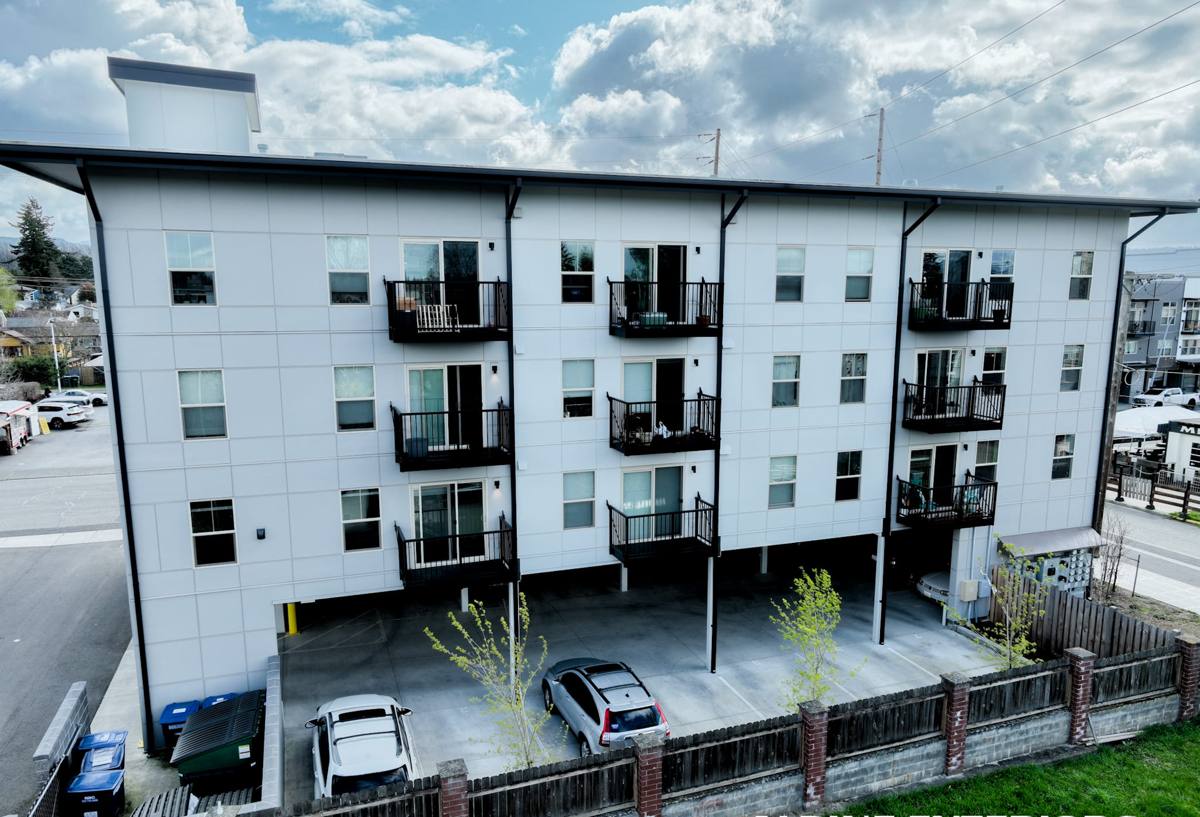
York is one of Bellingham's established in-town neighborhoods, close to downtown and Western Washington University, with a housing stock that spans several building eras — older character homes sitting alongside newer infill construction. What that mix means for windows is straightforward: a lot of homes in York are still running on whatever glass and frames went in decades ago, and those original or early-replacement windows were never built to the performance standards available today. Single-pane glass, tired aluminum frames, and worn weatherstripping don't just make a house colder in January — they're a steady, invisible drain on heating bills every month of the year.
This page covers energy-efficient window replacement specifically for York homes — what the local climate demands from a window, what a correct install actually involves, and why working with a crew that already knows this neighborhood's housing stock matters more than picking a window brand off a showroom floor.
Why Bellingham's Marine Climate Is Hard on Old Windows
Whatcom County sits right on Puget Sound's northern reach, and that proximity to salt water shapes everything about how a window ages here. It's not one factor working against your windows — it's three, stacked on top of each other for most of the year.
Salt Air and Hardware Fatigue
Salt-tinged air moving off the water accelerates corrosion on window hardware — locks, hinges, balance mechanisms, and older aluminum frames in particular. A window that would coast along fine in a drier inland climate can seize up, pit, or stiffen years ahead of schedule here, and once hardware starts failing, the seal around the sash usually isn't far behind.
Driving Rain and Sill Exposure
Rain in this region rarely falls straight down. Wind pushes it sideways and even upward into window openings, which puts real stress on sills, weatherstripping, and the flashing behind the trim — details that a lot of older installations were never built to handle in the first place. Water that gets past a worn seal doesn't always show up right away; it tends to work quietly into the sill and framing first.
Moss Season and Sustained Moisture
Whatcom County's moss season runs long, and shaded window sills and north-facing walls hold dampness for months at a stretch. That sustained moisture is exactly what supports mildew growth on sills and, over years, slow rot at the lower corners of a window frame — especially on older wood-frame windows that have gone a while without maintenance.
Signs Your York Home Could Use Energy-Efficient Window Replacement
Most homeowners don't wake up one day and decide it's time for new windows — it's usually a collection of smaller signs that add up. Here's what we look for, and what you can check yourself.
- Visible condensation or fogging between the panes of a double-pane window — a sign the seal has failed and the insulating gas or air gap is gone
- Drafts you can feel near the window frame even when it's fully latched shut
- Windows that are hard to open, close, or lock, especially older aluminum-frame units
- Rooms near windows that feel noticeably colder than the rest of the house in winter
- Visible wood rot, soft spots, or paint failure at the sill or lower corners of the frame
- Rising heating bills without a clear explanation like a colder-than-average winter
- Outside noise that seems louder than it should be for the window's age and type
- Moss or mildew staining building up on or around exterior sills that never fully dries out
What Actually Makes a Window "Energy-Efficient"
"Energy-efficient" gets used loosely in window marketing, but it actually refers to a specific set of measurable performance ratings. Understanding them is the difference between comparing windows on real performance and comparing them on a sticker that just says "efficient."
| Rating | What It Measures | Why It Matters Here |
|---|---|---|
| U-Factor | How well the window resists heat flow (lower = better insulation) | Directly affects heating costs through our long, cool, wet season |
| SHGC (Solar Heat Gain Coefficient) | How much solar heat passes through the glass | Matters most on sun-exposed elevations; less critical on shaded, north-facing walls |
| Air Leakage (AL) | How much air passes through the window assembly | Lower AL means fewer drafts and less wind-driven rain infiltration |
| ENERGY STAR Northern Zone | Certification tied to regional performance thresholds | Washington falls in the Northern Zone, which sets stricter U-factor minimums than milder climates |
We'll walk through the U-factor, SHGC, and air leakage numbers on any window package we quote so you know exactly what you're buying, rather than taking a salesperson's word for what "energy-efficient" means on a given model.
Choosing the Right Frame Material for This Climate
Frame material affects insulation value, maintenance, and how well a window holds up against salt air and sustained moisture over the years. There's no single right answer for every home — budget, the home's style, and each elevation's exposure all factor in.
| Frame Material | Insulation Value | Moisture & Corrosion Behavior | Typical Maintenance |
|---|---|---|---|
| Vinyl | Good; multi-chambered frames insulate well | Won't rot or corrode; performs reliably when installed correctly | Low |
| Fiberglass | Very good; dimensionally stable across temperature swings | Resists moisture and corrosion well | Low |
| Wood, clad exterior | Good to very good | Clad exterior shields the wood from direct weather; interior finish still needs care | Moderate |
| Aluminum | Poor unless thermally broken; conducts cold readily | Prone to corrosion over time in salt-influenced air unless well-finished or thermally broken | Moderate |
Older aluminum-frame windows are common in this era of home, and they're often the single biggest energy drain in a house — not because aluminum is a bad metal, but because standard aluminum frames conduct cold straight through unless they're thermally broken. Replacing them is frequently where a York homeowner sees the most noticeable difference in comfort.
Glass Packages Worth Discussing
Beyond frame material, the glass itself matters. Double-pane windows with a low-E coating and an inert gas fill (typically argon) are the standard efficient baseline for this region. Triple-pane glass adds another layer of insulation and sound dampening, at a higher cost, and tends to make the most sense on north-facing or street-facing rooms where either heat loss or noise is a bigger concern than usual.
Installation Is What Makes the Efficiency Claims Real
A high-performance window installed poorly performs like a mediocre window. This is the part of the job that doesn't show up on a spec sheet, and it's where a lot of the real energy loss and moisture risk actually gets decided.
Removing the Old Window Without Damaging the Opening
Old sashes, frames, and any hidden rot at the sill get removed carefully so the rough opening is left square and sound. Rushing this step is how hidden rot gets sealed back into a wall instead of caught and dealt with.
Sill and Flashing Repair Before the New Window Goes In
Any damaged sill framing or compromised flashing gets addressed before the new window is set — not covered over. Given how much of this region's rain arrives wind-driven rather than straight down, a sill that doesn't drain properly will undermine even the best window on the market.
Air Sealing Around the Frame
The gap between the new window frame and the rough opening gets sealed with proper low-expansion foam or backer rod and sealant, not just stuffed with fiberglass insulation and left to leak air around the edges. This step alone accounts for a meaningful share of a window replacement's real-world efficiency gain.
Exterior Trim and Weather Sealing
Exterior trim gets resealed and caulked at the joints that actually see weather, with attention to the head of the window where wind-driven rain is most likely to find a gap.
Retrofit vs. Full-Frame Replacement in an Older York Home
There are two general approaches to replacing a window, and which one makes sense depends on the condition of the existing frame and opening.
Retrofit (Insert) Replacement
A new window is installed inside the existing frame, which stays in place. This is faster, less disruptive to interior and exterior trim, and usually less expensive — but it only makes sense when the existing frame and sill are still sound and free of rot or water damage.
Full-Frame Replacement
The old frame comes out entirely, exposing the rough opening down to the framing. This costs more and takes longer, but it's the right call when there's hidden rot, when the existing frame is out of square, or when you want the flashing and air-sealing details done fully to current standards rather than layered over old work.
We'll tell you honestly which approach your home's windows call for after a real look at the frames and sills, not default to whichever option is quicker to sell.
How Our Process Works
- On-site assessment: We check every window's frame condition, seal integrity, and any signs of water damage or rot before recommending retrofit or full-frame replacement.
- Honest scope and estimate: You get a clear breakdown of what each window needs and why, along with a straightforward cost range — no pressure, no inflated urgency.
- Product selection: We go over frame material, glass package, and performance ratings suited to your budget and each elevation's actual sun and weather exposure.
- Careful removal: Old windows come out without damaging the surrounding opening, siding, or interior trim.
- Sill and flashing repair: Any hidden moisture damage gets addressed and properly flashed before the new window goes in.
- Installation and air sealing: The new window is set square and plumb, fastened correctly, and sealed with attention to this climate's wind-driven rain.
- Final walkthrough: We check operation, hardware, and visible seals with you before calling the job done.
A Practical Checklist Before You Sign a Window Contract
- Does the estimate list actual U-factor and SHGC numbers, not just a vague "energy-efficient" label?
- Has the installer physically checked your existing sills and frames for hidden rot or water damage?
- Does the quote specify whether the job is a retrofit or full-frame replacement, and why?
- Are corrosion-resistant fasteners and hardware specified for this climate?
- Is air sealing around the frame included, not just the window unit itself?
- Does the installer carry current Washington contractor licensing and active liability insurance?
- Is there a clear, transferable warranty on both the product and the installation labor?
Why Hiring a Crew That Already Works York Matters
A crew that regularly replaces windows in York and the surrounding Bellingham neighborhoods has already seen how salt air chews through underspecified hardware, how wind-driven rain finds the gaps in a worn sill, and which window types and eras of construction tend to hide rot behind a fine-looking exterior. That's practical knowledge that shows up in small decisions on the job — decisions a crew unfamiliar with this specific climate and this neighborhood's housing stock might not think to make at all. It also means working with someone who's still around and reachable years later if a warranty question comes up, rather than a crew passing through from out of the area.
If your York home's windows are drafty, fogged, hard to operate, or just old enough that you're wondering whether it's time, we're glad to take an honest look and walk you through your options. Use the form below to request a free, no-pressure estimate.