 Bellingham Exterior
 Asphalt Shingle Roofing Built for Barkley's Weather
Barkley sits close enough to Bellingham Bay that homes here deal with a mix of conditions most inland neighborhoods don't: salt-laden air moving in off the water, long stretches of driving rain, and a moss season that can run from fall through spring. None of that is dramatic on its own, but stacked together year after year, it wears on a roof faster than a lot of homeowners expect. An asphalt shingle roof that's installed and maintained with this climate in mind will hold up for decades. One that isn't will show problems well before its shingles are technically "worn out."
This page is about asphalt shingle roofing specifically for Barkley — what the local conditions actually do to a roof, what a correct installation looks like, and how we approach the work when we're up on your roof instead of someone else's.
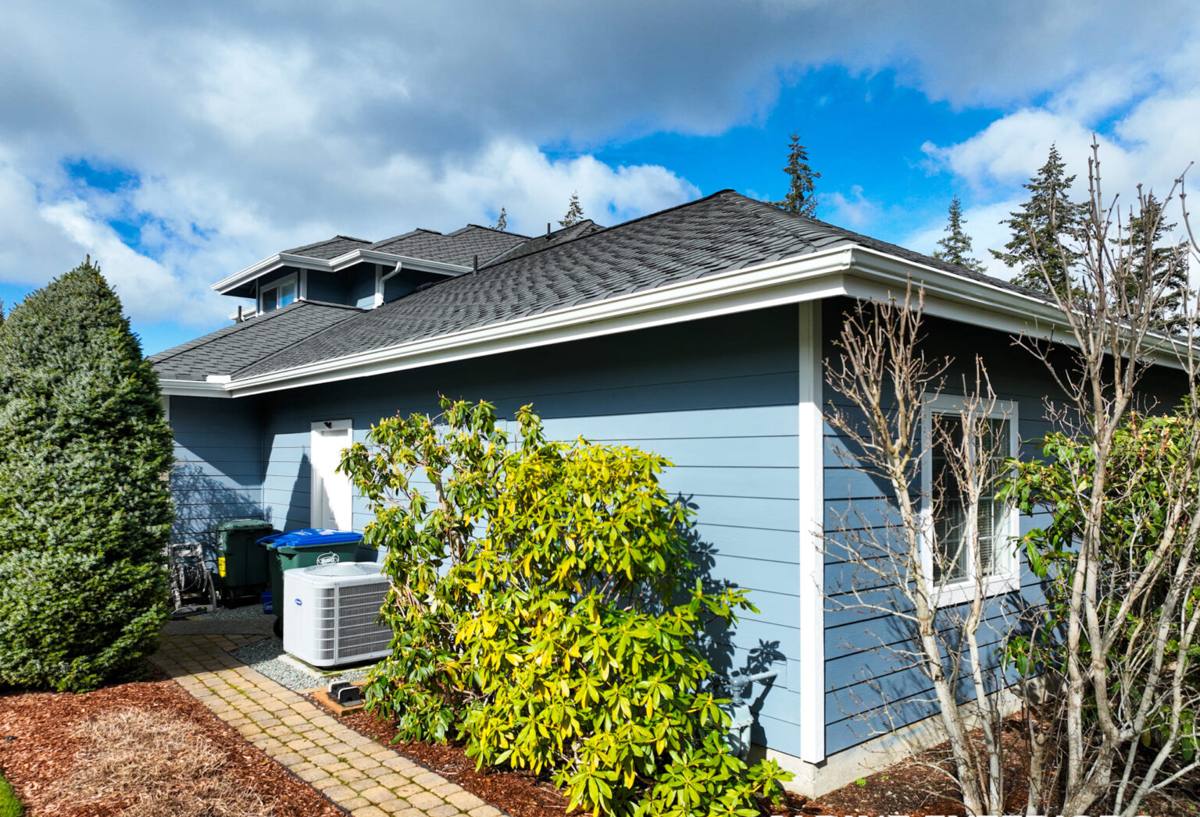
What Salt Air, Rain, and Moss Actually Do to a Shingle Roof
Salt Air
Salt-carrying moisture from Bellingham Bay doesn't just affect siding and metal fixtures — it accelerates the breakdown of exposed fasteners, flashing, and any metal roof components that aren't properly rated or protected. Over time, this can lead to premature rusting at nail heads, vent boots, and flashing seams, which is exactly where leaks tend to start.
Driving Rain
Whatcom County's rain doesn't always fall straight down. Wind-driven rain pushes water sideways and upward under shingle edges, around chimneys, and along valleys — spots where a roof relies on proper flashing and underlayment, not just the shingles themselves, to stay dry. A roof that would perform fine in a calmer climate can leak here if those details were rushed.
Moss Season
Shaded, north-facing slopes and roofs near trees are especially prone to moss growth for much of the year. Moss holds moisture against the shingle surface, lifts shingle edges as it grows, and can work its way under the roofing system if left unaddressed. It's one of the most common reasons we get called out to Barkley homes that are otherwise in decent shape.
What a Correctly Installed Asphalt Shingle Roof Includes
A shingle roof is a system, not just a layer of shingles nailed to plywood. In this climate, every layer matters more than it would somewhere drier.
- Underlayment: A synthetic or felt underlayment beneath the shingles is the roof's real waterproof backstop — shingles shed most water, but underlayment handles what gets past them.
- Ice and water shield at vulnerable points: Self-adhering membrane at eaves, valleys, and around penetrations gives extra protection where wind-driven rain and moss are most likely to cause trouble.
- Flashing: Properly formed and sealed flashing at chimneys, walls, skylights, and valleys — not just caulk over old flashing — is what actually stops leaks at these transition points.
- Ventilation: Balanced intake and exhaust ventilation keeps the attic dry and temperature-regulated, which protects the underside of the roof deck and helps prevent moisture buildup that invites moss and rot.
- Correct nailing pattern: Manufacturer-specified nail placement and count matter for wind resistance — a roof that's under-nailed can lift shingles in a strong storm off the Sound.
Signs a Barkley Roof Needs Attention
Most roof problems don't announce themselves with an obvious leak right away. By the time water is showing up inside the house, the underlayment has usually been compromised for a while. Here's what we recommend homeowners watch for between inspections:
- Moss or algae streaking on the roof surface, especially on shaded slopes
- Granules collecting in gutters or at the base of downspouts
- Shingles that look curled, cupped, or lifted at the edges
- Rust staining around vent pipes, chimney flashing, or metal valleys
- Soft or discolored spots on interior ceilings after heavy rain
- Daylight visible through the attic roof deck
- Shingles missing or displaced after a windy storm
If you're seeing any of these, it's worth having someone take a real look rather than waiting for a full-blown leak.
Choosing the Right Shingle for This Climate
Not every asphalt shingle product performs the same way in a wet, moss-prone, salt-influenced environment. We steer homeowners toward products with features that actually matter here, rather than the cheapest option on the shelf.
| Shingle Type | Typical Lifespan | Best Fit For |
|---|---|---|
| 3-tab (standard) | 15–20 years | Budget-conscious projects, secondary structures |
| Architectural / dimensional | 25–30 years | Most Barkley homes — better wind rating and thicker profile |
| Algae-resistant (copper/zinc granules) | 25–30 years | Shaded lots or homes with a history of moss and algae staining |
| Impact-rated / high-wind rated | 25–30+ years | Exposed sites or homeowners wanting extra storm resilience |
Algae-resistant shingles are worth calling out specifically: the copper or zinc granules embedded in the shingle surface slow algae and moss growth over time. On a shaded roof in a moss-heavy climate like this one, that feature can meaningfully extend the time between cleanings and re-treatments.
Our Asphalt Shingle Roofing Process
Inspection and Assessment
We start by getting on the roof, not just looking at it from the ground. That means checking the shingle condition, flashing, ventilation, and — critically in this area — the roof deck underneath for any moisture damage that isn't visible from outside.
Honest Repair-vs-Replace Guidance
Not every roof needs full replacement. If the deck is sound and the damage is limited to a section of shingles or a flashing detail, we'll say so. We only recommend a full replacement when the roof's overall condition or age actually calls for it.
Tear-Off and Deck Inspection
For a full replacement, we remove the old roofing down to the deck so we can check for rot or soft spots — something you can't fully assess with the old shingles in place. Any damaged decking gets replaced before new materials go down.
Installation
New underlayment, ice and water shield at vulnerable areas, flashing, and shingles are installed to manufacturer specifications, with attention to the details — nailing pattern, valley construction, ventilation balance — that determine how the roof performs during Whatcom County's wet season, not just how it looks on installation day.
Final Walkthrough
We walk the site, check for debris and stray nails, and go over the work with you before we consider the job finished.
Ongoing Care: Keeping Moss and Salt Air From Shortening Your Roof's Life
A well-installed roof still benefits from periodic attention in this climate. A few habits go a long way:
- Keep tree branches trimmed back to reduce shade and debris buildup on the roof surface
- Clean gutters at least twice a year so water isn't backing up under the roof edge
- Have moss physically removed rather than just treated, since dead moss still holds moisture
- Schedule a roof check after major windstorms, especially if you're on a more exposed lot
- Address small flashing or sealant issues early, before wind-driven rain finds its way in
Cost Factors for Barkley Homeowners
Asphalt shingle roofing costs vary by roof size, pitch, layers to remove, and material choice, so we always price based on an actual on-site look rather than a phone estimate. That said, these are the main factors that move the number:
| Factor | Why It Matters |
|---|---|
| Roof size and complexity | More valleys, dormers, and penetrations mean more labor and flashing work |
| Number of existing layers | Tear-off of multiple old layers adds time and disposal cost |
| Deck condition | Rot or soft decking discovered during tear-off requires repair before new roofing goes on |
| Shingle grade selected | Standard, architectural, and algae-resistant products carry different material costs |
| Roof pitch and access | Steeper or harder-to-access roofs take longer and require more safety setup |
Why a Crew That Already Works in Barkley Makes a Difference
Roofing crews that work across Bellingham and the rest of Whatcom County regularly know how the local climate behaves on real roofs — not in a training manual. That translates into knowing which details actually matter here: where ice and water shield earns its keep, which shingle products hold up best against moss, and how to flash a valley so wind-driven rain off the bay doesn't find a way in. It also means a local team can respond quickly if something needs a look after a storm, rather than you waiting on a crew that has to travel in from out of the area.
If you're weighing a repair, a full replacement, or just want an honest read on where your roof stands, we're happy to take a look. Reach out for a free, no-pressure estimate using the form below.