 Bellingham Exterior
 Barkley's Siding Takes a Different Kind of Beating
Barkley sits close enough to Bellingham Bay to catch salt-laden air off the water, and close enough to mature tree cover that plenty of homes stay shaded for long stretches of the year. That combination is harder on exterior siding than most homeowners realize. Salt air accelerates corrosion on fasteners and trim metal. Shade from established trees keeps siding damp longer after every rain, which is exactly what moss and mildew need to take hold. And Whatcom County's driving rain — wind-blown, not just falling straight down — finds every weak seam, gap, and unsealed joint a siding job left behind.
None of that means siding fails fast. It means siding fails quietly, in the places you're not looking: behind trim boards, under window flashing, at the bottom courses closest to grade. By the time damage is visible from the sidewalk, there's usually been moisture intrusion happening for a while. That's the case for repair work in Barkley — catching and correcting these problems before they turn into a full re-side.
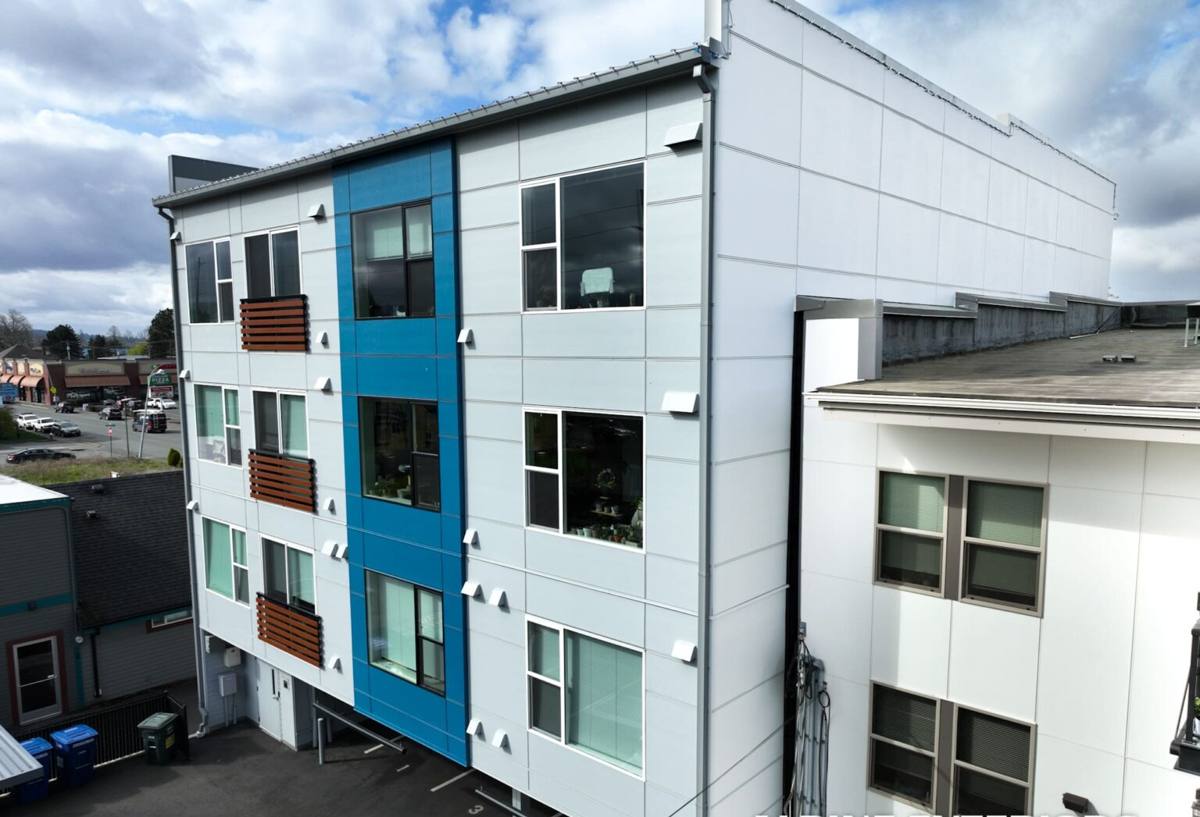
Common Siding Repair Issues We See in This Area
Repair calls in Barkley tend to cluster around a handful of root causes, most of them tied to moisture management rather than the siding material simply "wearing out."
- Cracked or split boards at corners and butt joints, often from age, impact, or boards that were never properly gapped during the original install
- Paint and finish failure where sun and damp cycles have worked against a coating that wasn't rated for this climate
- Soft or delaminating material at the bottom few courses, usually a sign of water sitting against the siding near grade or a gutter that's been overflowing onto the wall below
- Failed caulking around windows, doors, and trim — the single most common entry point for water we find on repair inspections
- Moss and algae buildup on north- and east-facing walls that stay shaded most of the day, which holds moisture against the surface longer than it should sit
- Loose or popped fasteners where corrosion or movement has backed nails out over time
On homes with older wood, engineered wood, or vinyl siding, we also get called in when a section has failed and the owner wants it corrected properly rather than patched with the same product that failed in the first place.
What a Correct Siding Repair Actually Involves
A repair that only replaces the damaged board and stops there is a repair that's likely to be redone in a few years. The board is rarely the actual problem — it's the symptom. Doing this right means treating every repair as a small investigation:
Diagnose Before You Patch
We pull back the damaged section far enough to see what's underneath. Is the weather-resistive barrier (house wrap) intact? Is flashing at the window or door doing its job, or was it installed short, backwards, or skipped? Is there rot in the sheathing behind the siding? Fixing the visible board without answering these questions just buries the same failure under new material.
Correct the Water Path, Not Just the Board
Most repairs that come back are repairs where the underlying water management was never addressed. That means resealing or replacing flashing, correcting the sequencing of house wrap and trim, and re-establishing proper clearance between the siding and grade, decks, or roof lines.
Match Material and Finish
This is where a lot of repairs go wrong cosmetically. Fiber cement plank has a specific profile, exposure, and factory finish. A mismatched patch is easy to spot from the street even if the repair itself is sound. We match plank width, exposure, and — where the siding is James Hardie with a ColorPlus factory finish — the actual color line, not a field-mixed approximation.
Fasten and Seal to Spec
Corrosion-resistant fasteners, correct nailing pattern, and sealant rated for exterior fiber cement joints — not general-purpose caulk that will fail again in a season or two.
Repair or Replace? How We Help You Decide
Not every damaged section needs a full re-side, and not every "repair" request is actually repairable in a way that holds up. Here's the general framework we walk Barkley homeowners through:
| Factor | Leans Toward Repair | Leans Toward Replacement |
|---|---|---|
| Extent of damage | Isolated to one or two wall sections | Recurring failures across multiple elevations |
| Underlying moisture barrier | Intact once opened up | Compromised, missing, or improperly lapped |
| Age of existing siding | Within its expected service life | Nearing or past end of service life |
| Material condition overall | Sound elsewhere on the home | Widespread soft spots, delamination, or rot |
| Color/finish match | Current product line still available | Discontinued color or product, poor match likely |
We'll always tell you honestly which side of that table your home falls on. A targeted repair that's done correctly can add years of service life at a fraction of replacement cost — but we're not going to patch over a problem that's going to resurface in twelve months just to make a smaller sale.
Our Process for Barkley Repair Jobs
- On-site inspection — we look at the damaged area and the surrounding wall assembly, not just the obvious spot
- Diagnosis and honest scope — you get a plain explanation of what's actually wrong and what it will take to fix it correctly
- Material sourcing and color match — for James Hardie siding, this means matching plank profile and ColorPlus finish; for other siding types, we'll discuss options including transitioning the repaired section to Hardie
- Repair work — removal of damaged material, correction of any underlying moisture issues, proper flashing and sealing, and installation to manufacturer spec
- Final check — fastener pattern, sealant lines, and finish match reviewed before we call the job done
Why We Only Repair With James Hardie
We install exclusively James Hardie fiber cement siding, and that standard carries into repair work too. When we're patching or extending an existing Hardie wall, we use Hardie product and Hardie's ColorPlus finish system so the repair actually blends and performs like the rest of the wall — not a mismatched material that ages differently.
When a repair call comes in on a home with vinyl, LP SmartSide, or another engineered wood product, we'll still diagnose and fix the immediate problem honestly. But if a section needs to come off anyway, we'll walk you through why we'd recommend transitioning that section — or eventually the whole elevation — to fiber cement: it doesn't absorb water the way engineered wood can if a seam fails, it's non-combustible, and it holds a factory finish far longer than field-applied paint on wood-based siding. That's not a sales pitch we make lightly — it's the reason we don't stock or install the alternatives in the first place.
Signs Your Barkley Home Needs a Siding Repair Now
- Visible cracks, splits, or gaps at board joints or corners
- Paint that's peeling, bubbling, or chalking heavily on one or two walls but not others
- Soft spots when you press gently on the lower courses near the foundation
- Persistent moss or dark streaking on shaded elevations that doesn't wash off
- Caulk that's cracked, shrunk, or pulled away from window and door trim
- Interior signs — a musty smell, discoloration, or soft drywall on an exterior wall
- Nails or fasteners visibly backing out or leaving rust streaks
If you're seeing more than one of these at once, it's worth getting a look before the next round of fall rain finds its way further in.
Why a Crew That Already Works Barkley Matters
Siding repair is diagnostic work as much as it's carpentry. A crew that's worked other homes in this part of Bellingham already has a feel for how the shade patterns, salt exposure, and prevailing storm direction here tend to show up in siding failures — which walls typically take the worst of it, where moss builds fastest, and which original installation shortcuts tend to surface as problems years later. That local pattern recognition shortens the diagnosis and helps us catch the real cause instead of just the visible symptom. It also means faster response when a repair needs to happen before the next storm system rolls in off the water.
Keeping Your Repair From Becoming a Repeat Call
Once a repair is done right, a little seasonal attention keeps it that way:
- Keep gutters clear so overflow isn't running down the wall face, especially before Whatcom County's wet season ramps up
- Trim back vegetation and tree limbs that keep a wall shaded and damp longer than necessary
- Rinse moss and algae growth gently before it establishes rather than scrubbing hard once it has
- Walk the exterior once a year and check caulk lines at windows, doors, and trim for early cracking
If you're dealing with damaged, aging, or failing siding on a Barkley home, we're happy to take a look and give you a straight answer on what it needs. Reach out for a free, no-pressure estimate — there's a form right below to get started.