 Bellingham Exterior
 Storm Damage Roof Repair for Birchwood Homes
Birchwood sits close enough to Bellingham Bay and the surrounding hills that its roofs take a specific kind of beating: salt-tinged wind off the water, heavy winter rain pushed sideways by gusts, and long stretches of damp, shaded weather that keep roofs wet for days at a time. After a storm rolls through, the damage isn't always obvious from the ground. A few lifted shingles, a dented vent cap, or a small gap in flashing can look minor but turn into a slow leak that shows up as a stain on a ceiling weeks later.
This page covers what storm damage roof repair actually involves for a Birchwood home, what our process looks like from the first call to the final walk-through, and why it matters to work with a crew that already knows how Bellingham weather treats roofs in this part of Whatcom County.
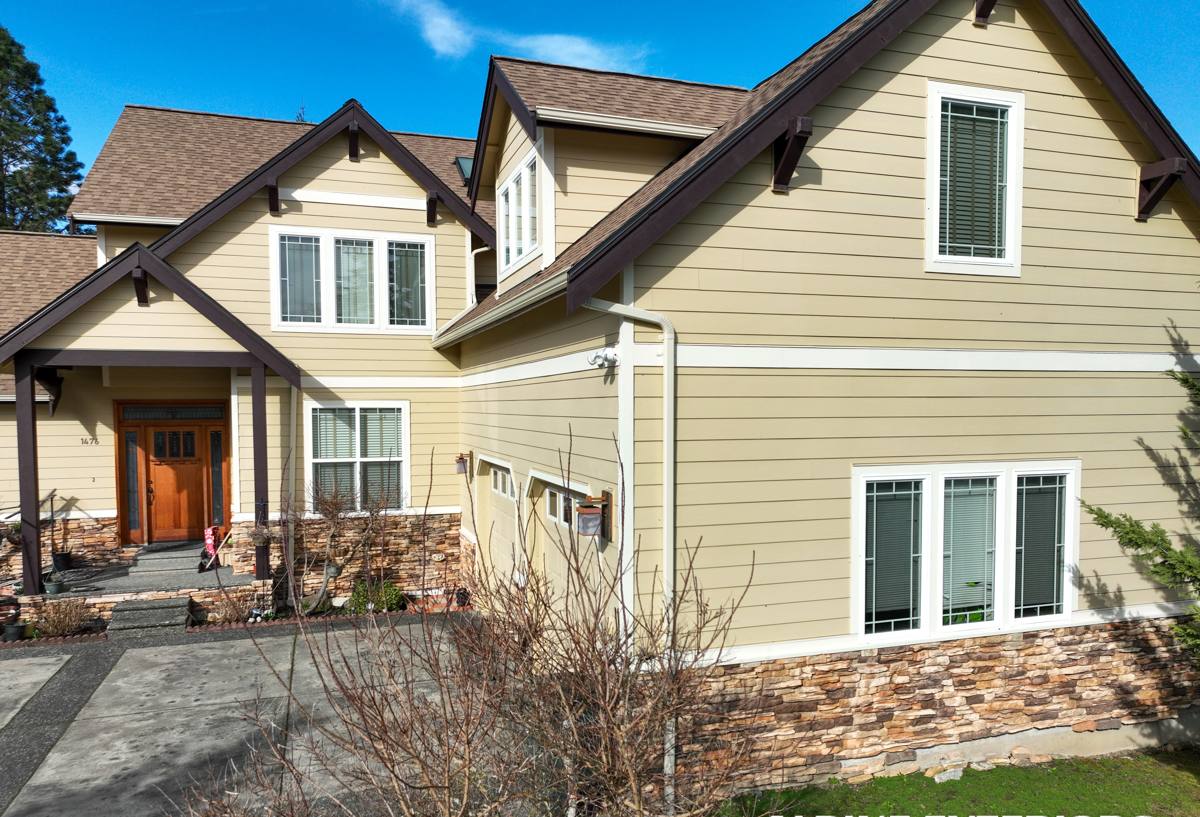
Why Bellingham Storms Are Hard on Birchwood Roofs
Salt Air and Coastal Moisture
Homes near Bellingham Bay deal with a steady dose of salt-laden air, even on calm days. Salt is corrosive to exposed metal — roof vents, flashing, nail heads, gutter hardware — and it speeds up the breakdown of sealants and fastener coatings faster than you'd see further inland. After a windstorm, that corrosion is often what finally lets water find its way through a seam that was holding fine a year earlier.
Driving Rain and Wind-Driven Water
Northwest storms rarely drop rain straight down. Wind pushes it sideways and up under shingle edges, around chimney flashing, and into any gap that a calm-weather roof would shrug off. This is why storm damage often shows up at transitions — where a roof plane meets a wall, a skylight, or a vent — rather than out in the open field of the roof.
Moss Season and Trapped Moisture
Bellingham's moss season runs long, and Birchwood's tree cover and shaded roof sections make it worse. Moss holds moisture against the roof surface, and after a storm that moisture has nowhere to evaporate quickly. A roof already carrying a moss load is more likely to show wind and rain damage sooner, because the shingles underneath are softer and less able to shed water the way a clean, dry roof does.
Signs of Storm Damage Homeowners Should Watch For
Not every sign of storm damage is a hole in the roof. Most of the time it's smaller and easier to miss. After any significant wind or rain event, it's worth doing a quick check for:
- Shingles that look lifted, curled, or missing entirely, especially along ridges and edges
- Granules collecting in gutters or at the base of downspouts
- Dented or dislodged vent caps, flashing, or metal roof accessories
- New or growing water stains on ceilings or in the attic
- Soft or spongy spots when the roof is walked (a sign of saturated decking)
- Gutters pulling away from the fascia or showing new sags after heavy wind
- Debris punctures or scrapes from tree limbs or wind-blown material
- Daylight visible through the roof deck from inside the attic
Any one of these on its own might not mean a major problem, but they're worth a professional look before the next storm finds the weak spot.
What a Proper Storm Damage Repair Involves
Safety and Emergency Tarping
If a storm has left an active leak or exposed decking, the first job is stopping water intrusion, not doing the permanent fix. A properly secured tarp buys time to do the repair correctly instead of rushing a patch onto a wet, unstable roof.
Full Roof Assessment
A correct repair starts with checking more than just the obvious damage spot. Wind and rain rarely affect just one shingle — we look at the surrounding field, flashing points, valleys, and attic ventilation to see whether the storm exposed a pre-existing weakness, such as aging underlayment or a flashing detail that was already marginal.
Matching Materials and Techniques
Repairs should tie into the existing roof correctly, not just cover the damaged area. That means using compatible shingle types and weights, proper flashing techniques at transitions, and fasteners rated for coastal exposure. A patch that doesn't match the surrounding roof's material and installation method often fails again at the seam within a season or two.
Repair or Replace? Factors We Weigh
Storm damage doesn't always mean a full roof replacement, but sometimes a repair is a short-term fix on a roof that's already near the end of its useful life. Here's how we think through that decision with a homeowner:
| Factor | Leans Toward Repair | Leans Toward Replacement |
|---|---|---|
| Roof age | Under 10-12 years, otherwise in good condition | Near or past typical shingle lifespan |
| Extent of damage | Isolated to one section or a few spots | Spread across multiple roof planes |
| Decking condition | Solid, dry decking under the damaged area | Soft, rotted, or repeatedly wet decking |
| Moss and moisture history | Light moss, well-maintained roof | Heavy moss buildup or chronic damp spots |
| Insurance scope | Claim covers a defined repair area | Adjuster approves full slope or full roof |
We'll walk a homeowner through where their roof falls on each of these before recommending one path over the other. A repair should hold up, not just get the roof through the next inspection.
Our Storm Damage Repair Process
1. Emergency Response and Tarping
For active leaks or exposed decking, we prioritize getting the roof watertight first, then schedule the full assessment.
2. Inspection and Documentation
We inspect the full roof, not just the reported problem area, and document what we find with clear notes and photos — the same documentation that's useful if a homeowner is filing an insurance claim.
3. Repair Plan and Written Estimate
We explain what caused the damage, what needs to be repaired versus what can be left alone, and provide a written scope before any work begins.
4. Repair and Cleanup
Work is done to match the existing roof's materials and technique, with full cleanup of debris, old materials, and any nails or granules from the work area.
5. Follow-Up Check
On request, we'll do a follow-up look after the next significant rain to confirm the repair is holding, particularly for repairs done during an active storm season.
Working With Your Insurance Company
Wind and rain damage is often covered under a standard homeowner's policy, but coverage details vary by carrier and policy. We provide the kind of documentation — photos, a written description of the damage, and a repair scope — that adjusters generally need to evaluate a claim. We're not a public adjuster and don't negotiate the claim on a homeowner's behalf, but we'll make sure the roof-side paperwork is thorough and accurate so the claim reflects what actually happened to the roof.
Why Hiring a Crew That Already Works Birchwood Matters
A roofing crew that regularly works in and around Bellingham knows what to expect from this area's weather pattern without having to guess. That means recognizing the difference between routine moss staining and a real moisture problem, knowing which flashing details tend to fail first in wind-driven rain, and understanding how salt exposure near the bay shortens the service life of certain metal components. It also means we're not learning the neighborhood's roof styles and common construction details for the first time on your job — we've likely already repaired a roof built the same way, by the same era of local builders, a few streets over.
Local availability matters too. After a significant storm, response time can be the difference between a contained repair and a much bigger interior damage claim. A crew based in the area can get a tarp on a roof faster than one dispatched from out of town.
Protecting Your Roof Between Storms
Storm damage repair is more effective long-term when it's paired with basic upkeep that reduces how much damage the next storm can do:
- Keep gutters and downspouts clear so wind-driven rain has somewhere to go
- Address moss buildup before it holds moisture against shingles through the wet season
- Trim back tree limbs that could strike the roof in high wind
- Have flashing and vent boots checked periodically, since these fail before the shingle field usually does
- Get a professional look after any storm with sustained high winds, even if nothing looks obviously wrong
None of this prevents every storm from causing damage, but it narrows down what a storm can actually get into, which usually means smaller, cheaper repairs when something does happen.
Get a No-Pressure Estimate
If a recent storm has you wondering whether your Birchwood roof took damage, we're happy to take a look and give you a straight answer — whether that means a small repair, monitoring a spot for now, or something more involved. Use the form below to request a free estimate, no pressure either way.