 Bellingham Exterior
 Deck Building for Cordata, Built for the Climate It Sits In
Cordata sits in north Bellingham, a neighborhood that's grown up over the last few decades into a mix of newer single-family homes, townhomes, and multi-family developments. Most of the decks we look at here are still fairly young by deck standards, but "young" doesn't mean "fine." A deck built without this region's weather in mind starts showing problems well before it should — soft spots at the ledger, black staining on the boards, hardware bleeding rust, railings that flex more than they used to.
Whatcom County's climate is the reason. Salt-laden air off the bay, long stretches of driving rain, and a moss season that can run most of the year all work on a deck at the same time. None of that means you can't have a deck that lasts decades — it means the design, materials, and hardware choices have to account for it from the start, not get patched around later.
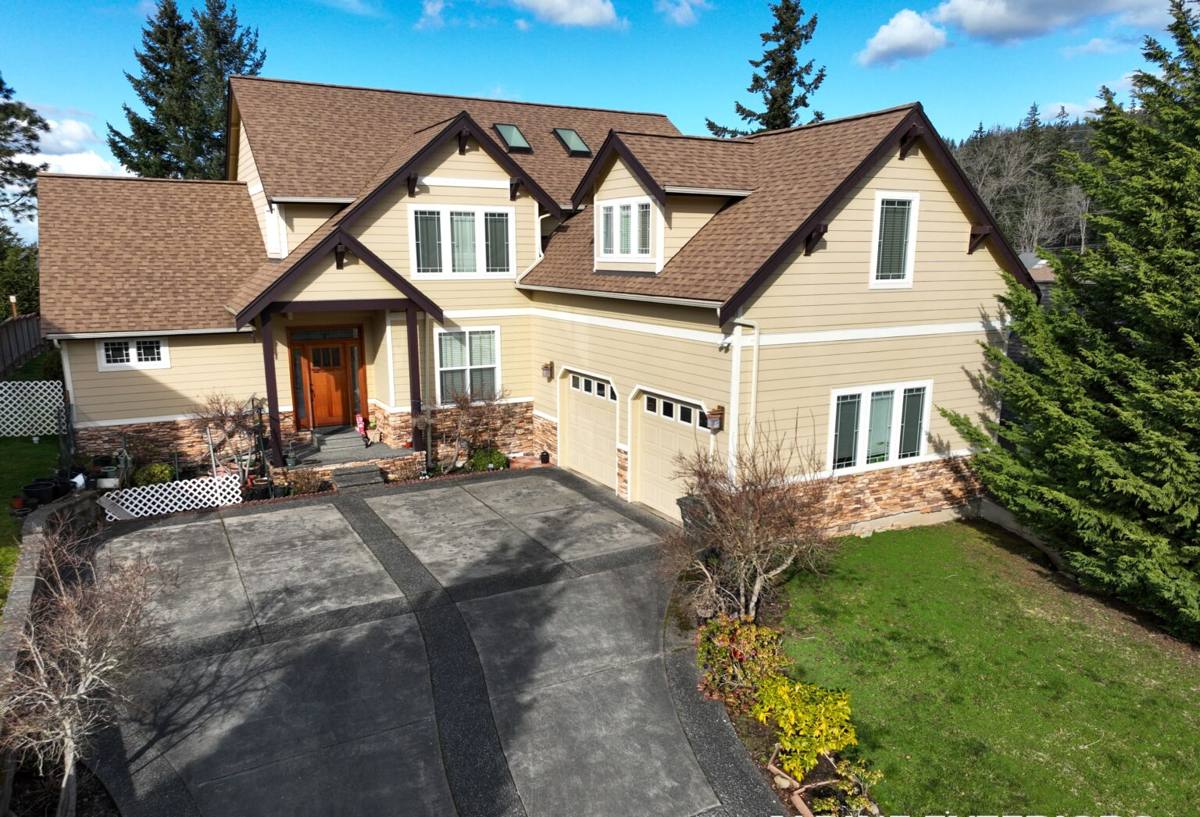
What Cordata's Mix of Lots Means for Deck Design
Cordata isn't one uniform lot type. Some homes sit on more open, newer-development parcels with little tree cover; others back up to greenbelt or mature trees left in place during development. That difference matters more than most homeowners expect.
Open, Sun-Exposed Lots
Decks on open lots dry out faster after rain, which cuts down on moss and mildew but increases UV exposure — wood grays faster, and composite boards need UV-stable formulations to avoid fading unevenly over the years.
Shaded or Tree-Adjacent Lots
Decks tucked under tree cover or on the shaded side of a house stay damp longer after every rain event, which is exactly the condition moss and algae need to take hold. These decks need more attention paid to airflow underneath, board spacing, and drainage design — the material alone won't solve it.
A good contractor walks your specific lot, not a generic checklist, before recommending a design.
Getting the Structure Right: Footings, Framing, and Flashing
Everything visible on a deck — the boards, the railings, the stairs — sits on top of a structure that has to handle wet ground, freeze-thaw cycles, and years of moisture exposure without shifting or rotting. This is where most deck failures actually start, even though it's the part nobody sees once the project is done.
Footings
Footings need to be dug below the local frost depth and set on solid, well-draining soil — not just poured against loose backfill. In this region that's typically in the range of 12 to 18 inches, but the exact requirement is set by whichever jurisdiction covers your address, and depending on where a Cordata property sits, that can mean City of Bellingham or Whatcom County permitting and inspection. We confirm this before we dig, not after.
Ledger Board Flashing
The ledger board — where the deck attaches to the house — is the single most common source of rot on decks in this climate. Without proper flashing that sheds water away from the house sheathing, moisture works its way behind the ledger and rots both the deck framing and the wall structure behind it. This is a code requirement, not an upgrade, and it's not something that should ever be skipped to save time.
Joists and Beams
Joist spacing and beam sizing need to match the actual decking material and span, not just a rule of thumb from a different project. Composite decking, for example, often calls for tighter joist spacing than solid wood to prevent flexing over time.
Choosing Decking Material for Salt Air and Moss Season
There's no single "best" decking material — there's a best material for your specific deck, budget, sun exposure, and how much upkeep you actually want to do. Here's how the common options stack up for a Bellingham-area climate specifically.
| Material | Upfront Cost | Moss/Algae Resistance | Maintenance | Typical Lifespan |
|---|---|---|---|---|
| Pressure-treated lumber | Lowest | Fair — needs regular cleaning and sealing | Annual cleaning, periodic sealing/staining | 15–20 years with upkeep |
| Cedar | Mid | Fair — naturally rot-resistant but still needs care | Regular cleaning, sealing to prevent graying and moisture uptake | 15–25 years with upkeep |
| Composite (capped) | Highest | Good — smooth-surface, capped boards shed moisture better | Periodic washing, no sealing/staining | 25–30+ years, manufacturer-warrantied |
We install all three, depending on what a homeowner wants. Our honest take: in shaded, damp parts of a lot, capped composite generally holds up with less fight against moss than uncapped wood, simply because it doesn't absorb water the same way. On open, sunny lots, cedar or quality pressure-treated lumber can perform very well and costs less up front — as long as someone actually keeps up with cleaning and sealing on schedule. We'll tell you which situation you're in rather than push whatever has the better margin.
Hardware and Fasteners: Why Salt Air Changes the Math
This is one of the most overlooked parts of deck building in coastal Whatcom County, including Cordata. Standard fasteners and connectors that are fine in drier inland climates can start corroding noticeably faster here because of airborne salt combined with near-constant moisture. Rust-streaked screw heads and corroded joist hangers a few years into a deck's life are almost always a sign that the wrong-grade hardware was used.
- Structural connectors (joist hangers, post bases, ledger bolts) rated for coastal or high-corrosion exposure, typically hot-dip galvanized or stainless
- Fasteners matched to the decking material — composite manufacturers often specify particular screw types to preserve warranty coverage
- Stainless steel hardware in areas closest to the bay or with heavier salt exposure, where standard galvanized coatings wear through faster
- Isolation between dissimilar metals where needed, to avoid galvanic corrosion at contact points
It costs more up front to spec the right hardware. It costs a lot more to replace a railing post or joist hanger that failed early because the wrong one was used.
Drainage, Airflow, and Keeping Moss Off the Deck
Moss doesn't grow on a deck because the wood or composite is "bad" — it grows because moisture sits somewhere long enough for it to take hold. Good deck design fights that at every stage, not just with a one-time cleaning after the fact.
Board Spacing and Slope
Decking boards need consistent gaps for water to drain through and a slight slope away from the house so water doesn't pool. Tight, uneven gaps trap debris, and trapped debris holds moisture — which is exactly what moss needs.
Under-Deck Ventilation
Low-clearance decks or decks built close to grade need enough airflow underneath to let the framing dry out between rain events. Skirting that fully seals off the underside without vents can turn that space into a permanently damp environment.
Keeping Debris Off the Surface
Leaves and needles caught between boards or in corners hold water against the surface. This isn't something a contractor can design away entirely — periodic sweeping and clearing, especially in fall, does more for moss prevention than almost anything else.
Railings, Stairs, and Code Compliance
Guardrails, baluster spacing, and stair specifications are governed by building code, not homeowner preference, once a deck reaches a certain height above grade. Beyond meeting code, railing material matters in this climate too — wood railings need the same sealing schedule as wood decking, while metal or cable rail systems need corrosion-resistant hardware for the same salt-air reasons that apply to structural fasteners. We build to current code and explain the requirements up front, so there are no surprises at inspection.
Our Process, Start to Finish
Every deck project follows the same sequence, whether it's a full rebuild or new construction:
- On-site assessment — we look at your lot's sun/shade exposure, existing structure if there is one, and how the site drains after rain
- Design and material selection — honest recommendations based on your budget, maintenance appetite, and the specific conditions on your property
- Permitting — we handle the paperwork with the correct jurisdiction for your address
- Construction — proper footings, flashing, framing, and corrosion-resistant hardware throughout
- Final walkthrough — we go over the finished deck with you, including basic care and cleaning guidance for your specific material
Signs an Existing Cordata Deck Needs Attention
If you're not building new but wondering whether your current deck needs repair or replacement, these are the signs worth taking seriously:
- Soft, spongy, or discolored decking near where it meets the house
- Rust streaking around screw heads or visible hardware
- Persistent green or black growth that comes back quickly after cleaning
- Railings or stair stringers that feel loose or flex under weight
- Gaps between the ledger board and the house siding
- Standing water or slow drainage after rain instead of water running off
Any one of these on its own might be minor. Several together usually mean it's worth a proper inspection before deciding between repair and replacement.
Why a Crew That Works Cordata Regularly Makes a Difference
Bellingham's neighborhoods aren't identical in how they handle weather — proximity to the bay, tree cover, elevation, and lot orientation all shift how much salt exposure, rain, and moss pressure a given deck actually deals with. A crew that works Cordata and the surrounding Bellingham area regularly already knows which permitting jurisdiction applies to which streets, what frost depth and inspection expectations to plan around, and which material and hardware choices actually hold up here versus which ones just look fine on day one. That local pattern-recognition is worth more than a generic build spec.
If you're planning a new deck or trying to figure out what's going on with an existing one, we're happy to take a look and give you a straight assessment. Use the form below to request a free, no-pressure estimate.