 Bellingham Exterior
 Building a Deck That Actually Holds Up in Silver Beach
A deck in Silver Beach lives a harder life than a deck in a dry climate. Between the salt-tinged air moving off the water, driving rain that can last for days at a stretch, and a moss season that runs longer here than almost anywhere else in Washington, an outdoor structure gets tested year-round. Most of what separates a deck that looks good for two decades from one that's soft and green by year five isn't the brand of lumber stamped on the joists — it's whether the framing, fasteners, and drainage details were done right the first time. This page walks through what that actually means for a deck built in this specific corner of Bellingham.
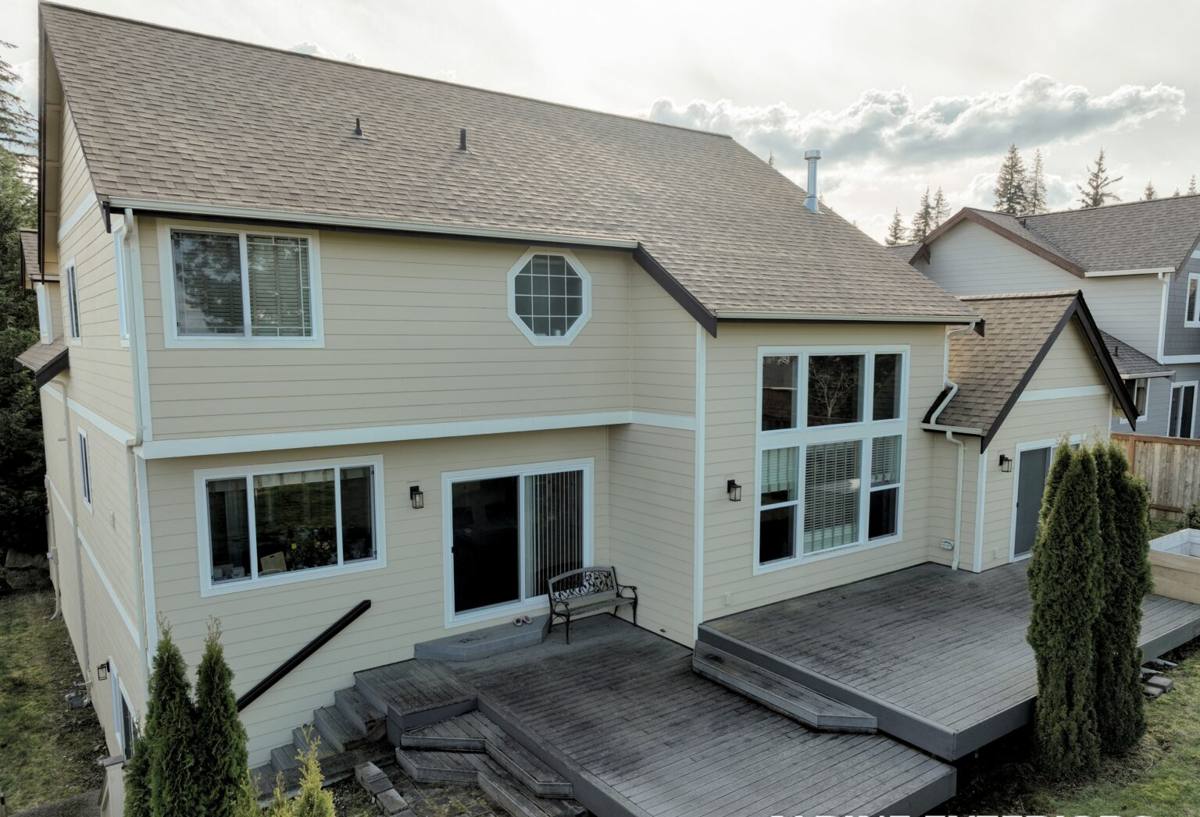
What Bellingham's Weather Does to a Deck
Whatcom County doesn't get brutal winters, but it makes up for that with sheer duration of moisture exposure. Understanding the specific ways local weather attacks a deck helps explain why certain shortcuts that might be fine in a drier climate cause real problems here.
Salt Air and Corrosion
Proximity to open water means a steady low-level dose of salt in the air. Salt accelerates corrosion on any exposed metal — fasteners, joist hangers, railing hardware — faster than it would inland. Hardware that's rated for general outdoor use but not specifically for coastal or high-moisture exposure can start rusting and staining the decking within a couple of seasons, long before the wood or composite around it is due for attention.
Driving Rain and Standing Water
Rain here doesn't just fall straight down — wind-driven rain gets pushed sideways into ledger connections, under railing posts, and into any gap where flashing was skipped or installed loosely. Combined with our long wet season, that means any spot on a deck where water can collect and sit — rather than shed and drain — becomes a rot or mold starting point months or years before the rest of the structure shows wear.
The Long Moss Season
Shaded, damp deck surfaces in this region can stay wet for days after a storm passes, especially under tree cover or on the north side of a house. That's exactly the environment moss and algae need to establish. Once moss takes hold on a walking surface it's not just cosmetic — it holds moisture against the decking and turns into a slip hazard on stairs and ramps.
Framing and Footings: Getting the Foundation Right
Everything visible on a deck sits on top of framing decisions that are easy to hide and expensive to fix later. In this climate, a few framing details matter more than they might in a drier region.
- Footing depth and bearing: Footings need to be sized and set to local frost and soil conditions, not just poured to a generic minimum. Soft or saturated soil, common after our wet winters, needs a footing designed for it.
- Ledger board attachment: Where a deck attaches to the house, proper flashing behind and over the ledger is one of the single most important details on the whole project — it's also one of the most commonly rushed. A poorly flashed ledger is the number one cause of hidden rot we find when repairing older decks.
- Joist spacing and species: Tighter joist spacing than the bare code minimum gives a stiffer deck and more support under whatever decking material goes on top, particularly composite, which behaves differently under load than solid wood.
- Ventilation underneath: Airflow below the deck surface helps framing dry out between rain events instead of staying damp for weeks. Skirting or landscaping that blocks all airflow underneath works against the structure.
Choosing Decking Material for This Climate
There's no single "best" decking material — there's a best material for a given budget, maintenance appetite, and exposure. In a climate with this much sustained moisture, moisture behavior and moss resistance matter more than they would somewhere drier.
| Material | Upfront Cost | Maintenance | Moss/Moisture Behavior |
|---|---|---|---|
| Pressure-treated wood | Lowest | Annual cleaning and periodic sealing | Absorbs water; needs regular sealing to resist moss staining and softening |
| Cedar | Moderate | Regular sealing to hold color and resist moisture | Naturally more decay-resistant than treated pine, but still needs upkeep in constant damp |
| Composite (uncapped/early-generation) | Moderate-High | Occasional cleaning, no sealing | Can absorb moisture at cut edges if not properly sealed during install |
| Capped composite / PVC | Highest | Low — periodic washing | Best resistance to moisture absorption and moss staining; surface doesn't feed algae the way raw wood fiber can |
We don't push one product on every job. A shaded, low-airflow lot in Silver Beach is a strong argument for capped composite or PVC precisely because of the moss and moisture factors above; a sunnier, well-ventilated site can make real wood a perfectly reasonable choice if the owner is willing to keep up with sealing. Our job is laying out those trade-offs honestly rather than defaulting to whatever's easiest to install.
Where Real Wood Still Makes Sense
Wood costs less up front and can be repaired board by board rather than replaced in sections, which some owners prefer for a structure they plan to maintain themselves over the years. The trade-off is a standing commitment to cleaning and resealing on a schedule — skip a season or two here and moss gets a foothold fast.
Where Composite Earns Its Price
Capped composite costs more but removes sealing from the maintenance list entirely and holds up better against the kind of shaded, damp conditions common on lots with tree cover or limited afternoon sun. Over a 20-plus year horizon, the reduced maintenance often closes much of the initial price gap.
Fasteners, Flashing, and Other Details That Prevent Rot
The parts of a deck nobody sees are the parts that determine how long it lasts. In a salt-air, high-rain environment, three details get non-negotiable attention on every job we build:
- Fastener grade: Hot-dip galvanized or stainless hardware matched to the lumber's chemical treatment, not generic exterior screws that can corrode or react with treated wood over time.
- Joist tape: A waterproof membrane over the top of every joist keeps rain from soaking into end grain and fastener holes, which is where rot typically starts first.
- Flashing at every transition: Ledger boards, stair stringers, and post bases all need flashing or proper barriers between wood and standing water or masonry, not just at the ledger.
Railings, Stairs, and Local Code
Any deck above a certain height needs code-compliant railings, baluster spacing, and stair geometry, and Bellingham and Whatcom County both require permits and inspections for new deck construction above grade. Skipping the permit might save a little time up front, but it leaves the homeowner with an unpermitted structure that can complicate a future home sale or insurance claim. We pull permits and schedule inspections as a standard part of the job, not an add-on.
Common Code Points Worth Knowing
- Guardrails are generally required once a deck surface reaches a certain height above grade — check current local requirements before assuming a low deck is exempt.
- Baluster spacing has a maximum gap requirement to prevent a small child from passing through.
- Stair rise and run have to fall within a consistent range for safety, especially important on a sloped Silver Beach lot where stairs may be unavoidable.
- Structural connections — especially the ledger — are typically inspected before decking goes down, not after.
Our Deck-Building Process
The order of operations matters as much as any individual material choice. Here's how a project typically moves from first call to finished deck:
- Site walk and assessment: We look at drainage, sun exposure, existing structure (if replacing a deck), and how the lot's slope and shading will affect long-term moisture and moss exposure.
- Design and material selection: We talk through decking material, railing style, and layout against the budget and maintenance appetite, using the trade-offs above as a starting point.
- Permitting: We handle the permit application and any plan requirements with the local jurisdiction before framing begins.
- Footings and framing: Footings are set to proper depth and bearing, ledger flashing goes in first, and framing is built with local moisture exposure in mind.
- Decking, railings, and stairs: Surface material and railings go on per the design, with attention to fastener spacing and drainage gaps between boards.
- Final inspection and walkthrough: We schedule the required inspection and walk the finished deck with the homeowner before calling the job done.
Maintenance: Keeping Moss and Mildew Off a New Deck
Even a well-built deck needs some seasonal attention in this climate. A little consistency goes a long way toward avoiding the slick, green surface that shows up on neglected decks by late winter.
- Sweep leaves and debris off the deck surface regularly, especially in fall — trapped organic matter holds moisture and feeds moss growth.
- Rinse or lightly scrub shaded areas and stair treads a few times a year, since these dry out slower and are the first spots moss establishes.
- Check railing posts and stair connections annually for any looseness, which can signal water intrusion at the joint.
- Reseal real wood decking on a regular schedule — don't wait until it visibly grays or feels rough underfoot.
- Keep gutters and downspouts near the deck clear so runoff isn't dumping extra water directly onto or under the structure.
- Trim back overhanging branches where practical to improve sun exposure and airflow across the deck surface.
Why a Crew That Already Works Silver Beach Matters
A deck built by a crew that hasn't worked this specific area tends to default to generic specs — standard hardware, standard footing depth, whatever decking is easiest to source. A crew that regularly builds in Silver Beach and the surrounding Bellingham neighborhoods already knows which fastener grades hold up against the salt air here, how local soil behaves after a wet winter, and which spots on a given lot are going to fight moss no matter what material goes down. That local pattern recognition is what keeps a deck from needing early repairs, and it's also what makes the permitting process smoother since we're already familiar with what the local jurisdiction expects to see on a plan set.
If you're planning a new deck or replacing one that's showing its age, we're happy to walk the site, talk through material options honestly, and put together a straightforward estimate — no pressure, no upsell. Use the form below to request a free estimate for your Silver Beach property.