 Bellingham Exterior
 Windows Built for Happy Valley's Marine Climate
Happy Valley sits close enough to Bellingham Bay and the Puget Sound marine layer that its homes take a different kind of weathering than houses further inland in Whatcom County. Salt-laden air works into hardware and finishes over the years, driving rain off the water finds every gap in old flashing and glazing, and the long gray stretch from fall through spring keeps roofs, siding, and window sills damp enough to grow moss and mildew for months at a time. Windows are one of the first places that shows up. If you've noticed fogged glass, drafts near the frame, or a window that's started sticking when you try to open it, that's usually years of this climate finding its way into the assembly.
Energy-efficient replacement windows aren't just about a lower power bill, though that's real. In a neighborhood like Happy Valley, the bigger win is a window system that actually holds up to sideways rain and salt-tinged humidity without rotting the frame, fogging the glass, or letting mold get a foothold on the interior sill.
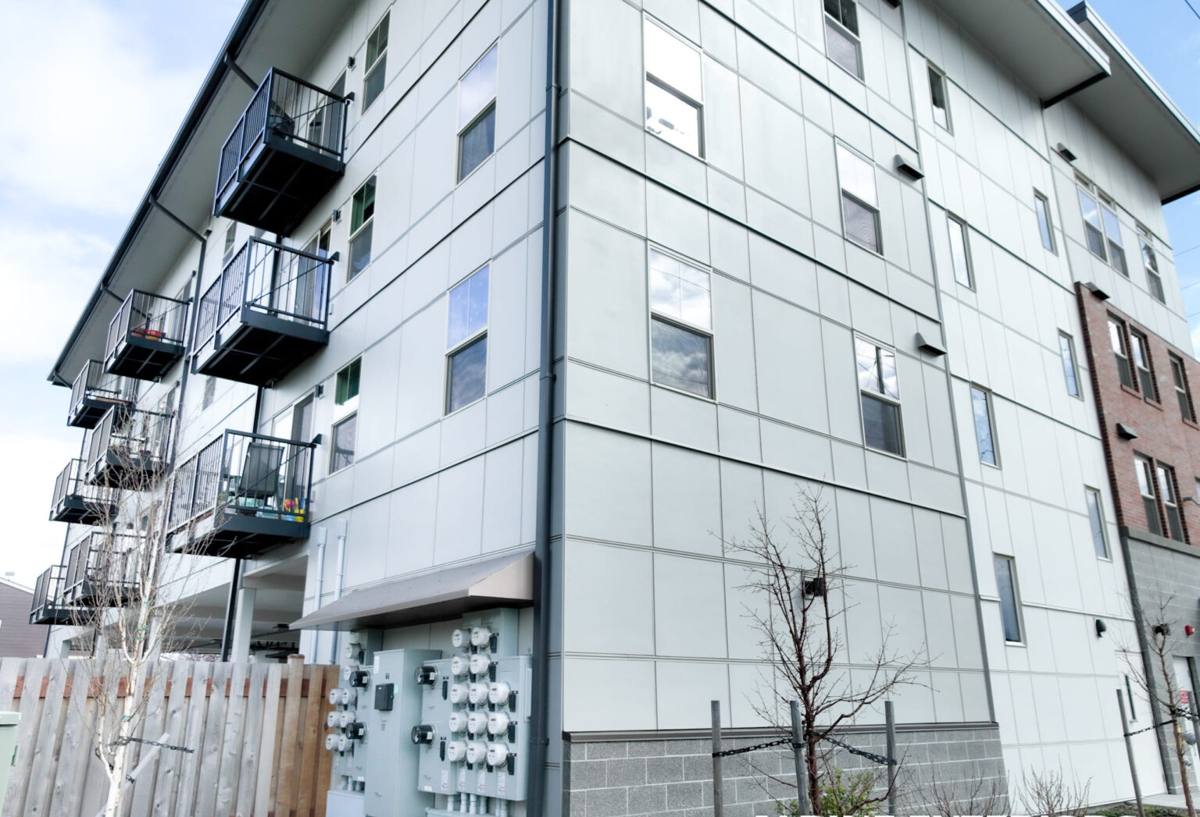
What "Energy-Efficient" Actually Means Here
Manufacturers throw the term "energy-efficient" around loosely. For a Whatcom County home, what matters is a specific combination of ratings and construction details that address our actual weather — not desert heat, not extreme dry cold, but cool, wet, and windy for most of the year.
The ratings that matter locally
- U-Factor: measures how well the window resists heat loss. Lower is better for our heating-dominated climate — this is the number that most affects winter comfort and gas or electric bills.
- Solar Heat Gain Coefficient (SHGC): measures how much solar heat passes through the glass. In Bellingham's overcast climate, a moderate SHGC lets you keep some free solar warmth on clear days without overheating south-facing rooms in summer.
- Air Leakage rating: measures drafts. This is the number most tied to that "cold spot near the window" feeling, and it's heavily influenced by installation quality, not just the window unit itself.
- Condensation Resistance: not always listed, but worth asking about — it predicts how well a window resists interior fogging during our damp winters, which matters more here than in drier parts of the state.
Double-pane windows with low-E coatings and argon gas fill are the standard baseline for this climate. Triple-pane can make sense on north-facing walls or homes right along the water where wind exposure is higher, but it's not automatically worth the added cost on every elevation — we'll walk through that trade-off honestly during your estimate rather than upselling it across the board.
Signs Your Current Windows Are Working Against You
Most homeowners don't replace windows because they woke up wanting new windows — they replace them because something is visibly failing. In Happy Valley, we see a consistent pattern tied directly to the marine climate:
| What You're Seeing | What's Usually Happening |
|---|---|
| Fog or moisture between the glass panes | Seal failure — the insulated glass unit has lost its gas fill and can't be repaired, only replaced |
| Black or green growth on the sill or frame corners | Moss and mildew taking hold in a spot that stays damp too long between rain events |
| Window sticks or won't latch fully | Frame swelling from moisture intrusion, or hardware corrosion from salt-tinged air |
| Noticeable draft near the frame in windy weather | Failed weatherstripping or a gap in the original installation's flashing and sealant |
| Paint peeling or wood soft to the touch at the sill | Water has been getting behind the trim for a while — worth checking before it reaches the framing |
Any one of these on its own might just need minor repair. Several at once, especially on the weather-facing side of the house, usually means the windows have reached the end of their useful life in this climate.
What a Correct Installation Actually Involves
The window unit itself only does half the job. The other half is the installation — flashing, sealing, and insulating the gap between the window and the rough opening correctly for a wet, wind-driven climate. This is where a lot of window problems actually originate, even when the window product itself was a fine choice.
Steps we don't skip
- Remove the old window and inspect the framing underneath for hidden water damage or rot before anything new goes in.
- Install or repair sill pan flashing so any water that does get past the window sheds outward, not into the wall cavity.
- Set the new window level, plumb, and square, then fasten per the manufacturer's specifications — not just "close enough."
- Seal and flash the exterior in the correct shingle-lap order so water is directed down and out, never trapped behind trim.
- Insulate the gap between the window frame and the rough opening properly — too little insulation leaves a cold, drafty ring; overpacked spray foam can bow the frame and cause the window to bind.
- Finish interior and exterior trim and caulk with products rated for our climate, not generic hardware-store caulk that shrinks and cracks within a couple of seasons.
Skipping or rushing any one of these steps is how a homeowner ends up with a new, expensive window that still leaks or fogs within a few years — the product warranty won't cover a bad install, and the frustration of that is worse than living with the old windows a while longer.
Window Frame Materials for This Climate
There's no single "best" frame material — each has real trade-offs, and the right call depends on your home's exposure, style, and budget.
| Material | Strengths in Our Climate | Trade-offs |
|---|---|---|
| Vinyl | Won't rot, doesn't need painting, good insulation value, resists moisture well | Limited color range, can't be refinished if scratched or faded over decades |
| Fiberglass | Very stable in temperature swings, strong, holds paint well, low maintenance | Higher upfront cost than vinyl |
| Wood-clad | Classic look for older or craftsman-style homes, warm interior appearance | Exterior cladding must be maintained; any breach in the cladding exposes wood to our rain |
| Aluminum | Slim sightlines, strong, low upkeep | Poor insulator unless thermally broken — we generally steer away from non-thermally-broken aluminum here for that reason |
For most Happy Valley homes, vinyl or fiberglass with a solid installation outperforms fancier materials that need more upkeep to hold up against our rain and salt air. We'll talk through what fits your home's style and your maintenance appetite rather than pushing one material across every job.
Our Process, Start to Finish
We keep the process straightforward and give you a clear picture of scope before any work begins:
- On-site assessment — we look at each window's exposure, check for hidden moisture or framing issues, and note anything the previous installation got wrong.
- Written estimate — clear scope, materials, and pricing, with any framing repairs called out separately so there are no surprises mid-job.
- Scheduling — we work around Bellingham's weather windows and let you know realistic timing rather than an optimistic guess.
- Removal and inspection — old windows come out, and we check the opening before anything new goes in.
- Installation — flashing, setting, insulating, and sealing per the steps above.
- Interior and exterior finish work — trim, caulking, and cleanup so the job looks finished inside and out.
- Walkthrough — we check operation on every window with you before we call the job done.
What Affects the Cost
Every home is different, and we won't quote a number without seeing the house, but these are the main factors that move the price up or down:
| Factor | Why It Matters |
|---|---|
| Number and size of windows | Straightforward — more glass, more labor and material |
| Frame material | Vinyl is typically the most budget-friendly; fiberglass and wood-clad cost more |
| Hidden framing repair | Rot or water damage found once the old window is out adds time and material |
| Access and height | Second-story or hard-to-reach windows take longer and may need additional equipment |
| Glass upgrades | Triple-pane, tempered glass for safety code areas, or specialty grilles add cost |
As a general rule, homeowners should expect a wide range depending on these factors — we'd rather walk your home and give you real numbers than quote a price over the phone that won't hold up once we see the actual conditions.
Living With Windows Through Moss Season
Whatcom County's moss season runs long — often from fall through spring — and it's not just a roof and siding problem. Window sills, especially horizontal ones facing north or shaded by trees, collect the same moisture and organic buildup. A few habits go a long way once new windows are in:
- Wipe down sills periodically during the wet months, especially on shaded or north-facing windows.
- Keep gutters and downspouts clear so water isn't sheeting down past window heads.
- Trim back vegetation that shades a window and keeps it from drying out between rains.
- Check exterior caulking once a year — it's a five-minute look that can catch a problem before water gets behind the trim.
A well-installed, quality window resists this a lot better than an aging one, but no window is entirely maintenance-free in this climate — a little seasonal attention keeps a new installation looking and performing like new for decades.
Why Hiring a Crew That Already Works Happy Valley Matters
Window installation looks similar on paper everywhere, but a crew that regularly works Bellingham and greater Whatcom County knows the local details that actually affect outcomes: which elevations take the worst wind-driven rain, how local building and energy codes apply to replacement windows, and what a proper install needs to hold up through a wet Pacific Northwest winter rather than just look good on installation day. We're not learning this climate on your house — we already know it.
We're also here after the job's done. If a warranty issue comes up or a window needs adjustment once it's settled into the opening, you're calling a crew that's still local and still around, not chasing down a national installer that moved on to the next region.
A quick checklist if you're comparing contractors for this kind of work:
- Do they inspect the framing before installing, not just swap window for window?
- Can they explain U-Factor, SHGC, and air leakage in plain terms, not just brand names?
- Do they detail flashing and sealing steps, or gloss over installation in favor of the product pitch?
- Are they licensed, insured, and willing to put the scope in writing?
- Do they have experience specifically with homes in this climate, not just windows in general?
If your Happy Valley home has windows showing their age — fogging, drafts, sticking, or sill damage — we're happy to take a look and give you a straightforward, no-pressure estimate. Use the form below to get started.