 Bellingham Exterior
 Siding Installation for Happy Valley Homes
Happy Valley sits close enough to Bellingham Bay to pick up salt-laden air off the water, and far enough into the tree canopy that many lots stay shaded and damp for most of the year. That combination is harder on exterior siding than either factor alone. A home a few miles inland without the same tree cover, or a home right on the waterfront without the shade, doesn't deal with quite the same mix of problems. Happy Valley homes get both: moisture that lingers because sunlight can't reach the walls, and a fine coating of salt air that speeds up corrosion on fasteners and finishes that aren't built for it.
This page covers what that means specifically for a siding installation on a Happy Valley home — not siding in general, but the details that matter for this neighborhood's climate and building stock.
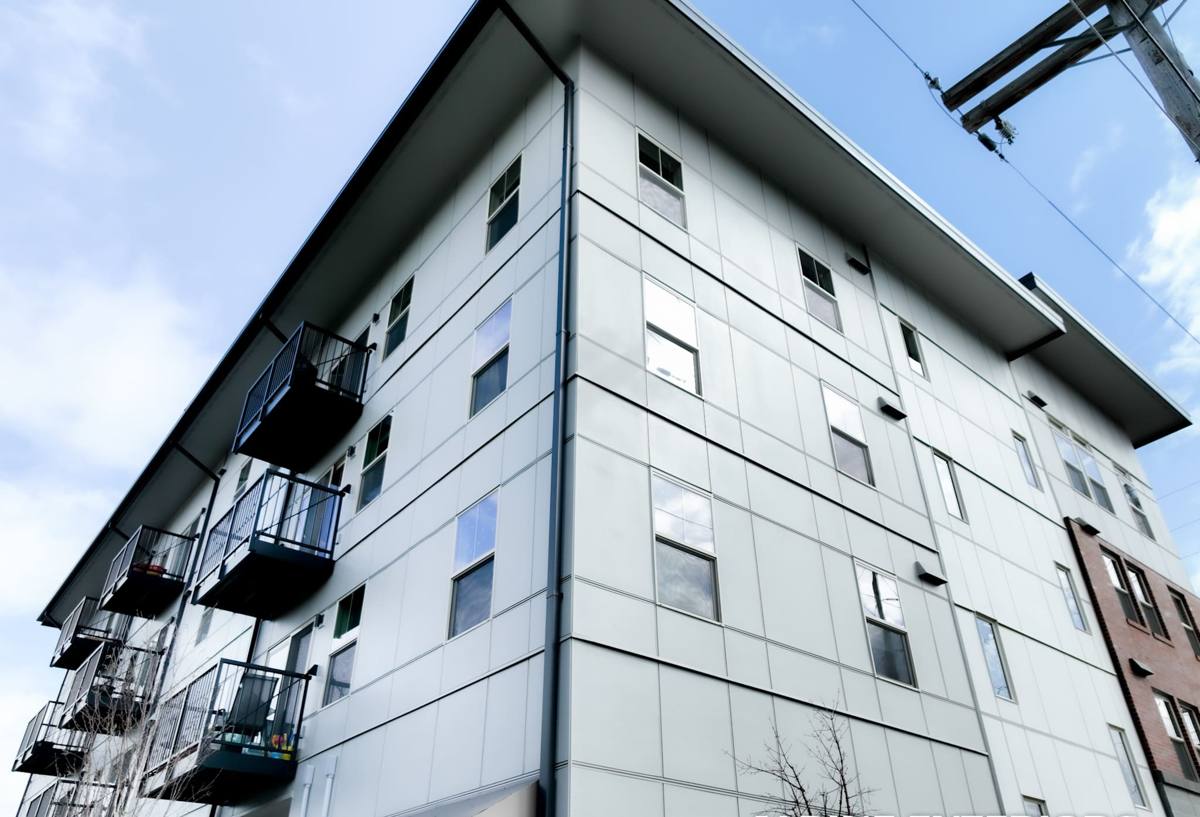
What Bellingham's Climate Actually Does to Siding Here
Salt Air and Coastal Moisture
Bellingham Bay isn't far from Happy Valley, and prevailing weather off the water carries fine salt particulate that settles on exterior surfaces. Over years, that accelerates corrosion on exposed metal fasteners, staples, and lower-grade trim hardware. It also interacts with paint and coatings, which is part of why a factory-applied, baked-on finish holds up differently than a field-applied paint job exposed to the same salt cycle year after year.
Driving Rain and Water Intrusion
Whatcom County doesn't get the heaviest rainfall totals in the state, but Bellingham's storms often come with wind, which drives rain sideways into wall assemblies instead of just down. Sideways-driven rain finds every gap in flashing, every under-caulked seam, and every place where siding was face-nailed too tight or butted without a gap. On a hillside or tree-shaded lot like much of Happy Valley, that moisture doesn't get the wind and sun exposure needed to dry out quickly — it just sits against the wall.
Moss, Shade, and Slow-Drying Surfaces
Mature trees are one of the things that make Happy Valley a nice place to live, but they also mean less direct sun on north- and east-facing walls, more organic debris in gutters and against trim, and a long moss season that can run most of the year on the shadiest sides of a house. Moss and algae growth on siding isn't just cosmetic — it holds moisture against the surface longer, which is exactly the condition that causes rot, coating failure, and fastener corrosion to accelerate.
What a Correct Installation Involves in This Climate
Siding is a system, not just a panel nailed to the wall. In a climate like Bellingham's, the parts homeowners never see matter as much as the finished look. A correct installation for a Happy Valley home includes:
Water-Resistive Barrier and Flashing
A continuous weather-resistive barrier behind the siding, properly lapped so water sheds outward and down, is the first line of defense. Flashing at every window, door, and horizontal trim transition has to be installed in the correct sequence — behind the barrier above, over it below — so wind-driven rain has nowhere to get behind the cladding.
A Drainage Gap Behind the Siding
Fiber cement siding installed tight against the wall with no drainage space traps whatever moisture gets past the outer surface. A rainscreen or furring gap lets bulk water drain and lets air move behind the siding so damp conditions from shade and rain don't turn into standing moisture against the sheathing.
Fastening, Clearances, and Caulking to Spec
James Hardie publishes exact fastener spacing, nailing patterns, and minimum clearances from grade, roof lines, and decks. Skipping those specs to save time is one of the most common causes of early siding failure — not a flaw in the material, but a shortcut in how it went on the wall.
Why We Install Only James Hardie Fiber Cement
We standardized on James Hardie for every siding job we do, including in Happy Valley, because it holds up to exactly the conditions described above better than the alternatives we used to install. It's non-combustible fiber cement, so it doesn't absorb and swell with moisture the way wood-based products can, and it isn't a food source for the moss and algae that thrive in shaded, damp yards. The ColorPlus factory finish is baked on under controlled conditions, which gives it more consistent resistance to fading, chipping, and the salt-air exposure common this close to the bay, compared to a coating applied on site.
Hardie also engineers specific product lines — its HZ5 line is built for the Pacific Northwest's freeze-thaw and moisture cycle rather than a one-size-fits-all formulation. That matters more in a microclimate like Happy Valley's, where shade keeps walls damp longer than they'd stay in a more exposed part of town.
Our Process for a Happy Valley Siding Project
- On-site assessment: We look at sun exposure, tree cover, drainage patterns around the foundation, and the condition of the existing wall assembly before quoting anything.
- Tear-off and sheathing check: Old siding comes off and we inspect the sheathing underneath for rot or soft spots, especially on shaded walls where past moisture problems are most likely to show up.
- Barrier, flashing, and drainage gap installation: This is the part of the job that determines whether the siding performs for decades or fails early, and it happens before a single piece of Hardie board goes up.
- Hardie installation to manufacturer spec: Correct fastener type, spacing, and clearances, with attention to the trim details around windows, corners, and roof lines where water intrusion is most common.
- Final walkthrough: We go over caulking, paint touch-up at cut edges, and care basics before we consider the job finished.
Comparing Siding Materials for a Neighborhood Like Happy Valley
| Material | Moisture / Moss Resistance | Salt Air Durability | Typical Maintenance |
|---|---|---|---|
| James Hardie Fiber Cement | High — non-combustible, doesn't swell or feed moss growth | Factory-baked ColorPlus finish resists salt-driven fading and corrosion | Occasional wash, repaint on a much longer cycle |
| Vinyl Siding | Moderate — doesn't rot, but seams and panels can trap moisture behind them | Can become brittle and discolor faster under coastal UV and salt exposure | Low, but panels aren't repaintable and warp over time |
| LP SmartSide / Engineered Wood | Lower — wood-based core is more vulnerable if the finish is compromised | Finish and edge sealing are more sensitive to sustained damp conditions | Regular inspection of seams and cut edges |
| Cedar / Primed Spruce | Lowest without diligent upkeep — natural wood absorbs moisture readily | Salt air accelerates weathering and finish breakdown | Frequent refinishing, most maintenance-intensive option |
We don't install the vinyl, LP SmartSide, or wood options listed above — this table is here so homeowners can see honestly why we made that call, not to disparage the products themselves. Each has legitimate uses; they just aren't what we recommend for the moisture and shade conditions common around Happy Valley.
What Homeowners Can Do to Protect a New Siding Job
Even correctly installed siding benefits from basic upkeep, especially on a shaded, tree-heavy lot. A simple seasonal checklist:
- Keep gutters clear so overflow doesn't run down the face of the siding
- Trim back branches and foliage that keep siding in constant shade or brush against it
- Rinse moss or algae growth on north- and east-facing walls before it builds up thick
- Check caulking at trim, window, and door transitions annually for cracking or gaps
- Look at the base of the siding near grade and decks for signs of splash-back moisture
Cost Factors for Siding Installation in Happy Valley
Every home is different, but a few factors specific to this area tend to move the price of a siding job up or down: how much of the sheathing needs repair once old siding comes off (more likely on shaded, older homes), how much trim and detail work the home has around windows and rooflines, lot access for staging material on hillside properties, and whether the existing drainage plane and flashing need to be rebuilt or can be reused. We walk through all of that during the estimate so there are no surprises once work starts.
Why Hire a Crew That Already Works This Neighborhood
A crew that already works in Happy Valley has seen how these specific lots behave — which walls stay wet longest, where moss builds up fastest, how hillside grading affects water flow around a foundation. That's different from general siding experience. It means fewer surprises once tear-off starts and a better sense of what a given wall assembly actually needs, rather than applying a generic install approach and hoping it holds up to conditions it wasn't built for.
If you're weighing a siding replacement on a Happy Valley home, we're glad to come take a look and give you a straightforward, no-pressure estimate — no invented urgency, just an honest read on your home's condition and what it would take to do the job right.