 Bellingham Exterior
 Siding That Actually Holds Up in Lynden
Lynden sits in the Nooksack River valley, close enough to the water and the Salish Sea's marine air mass that homes here deal with a longer, wetter siding season than a lot of the country ever sees. Rain doesn't just fall in Whatcom County — it drives sideways on windy days, sits in shaded corners for weeks at a time, and keeps north-facing walls damp long after the sun comes out everywhere else. Add a moss season that can stretch from late fall through spring, and you've got exterior conditions that punish any siding product with a weak moisture story.
We install James Hardie fiber cement exclusively, and Lynden is a big part of why. Wood-based siding, vinyl, and even some competing fiber cement products struggle with the specific combination of sustained moisture, cool temperatures, and organic growth that this region produces. This page is about what that means for your house, specifically, and what a correctly done Hardie installation looks like on a Lynden home.
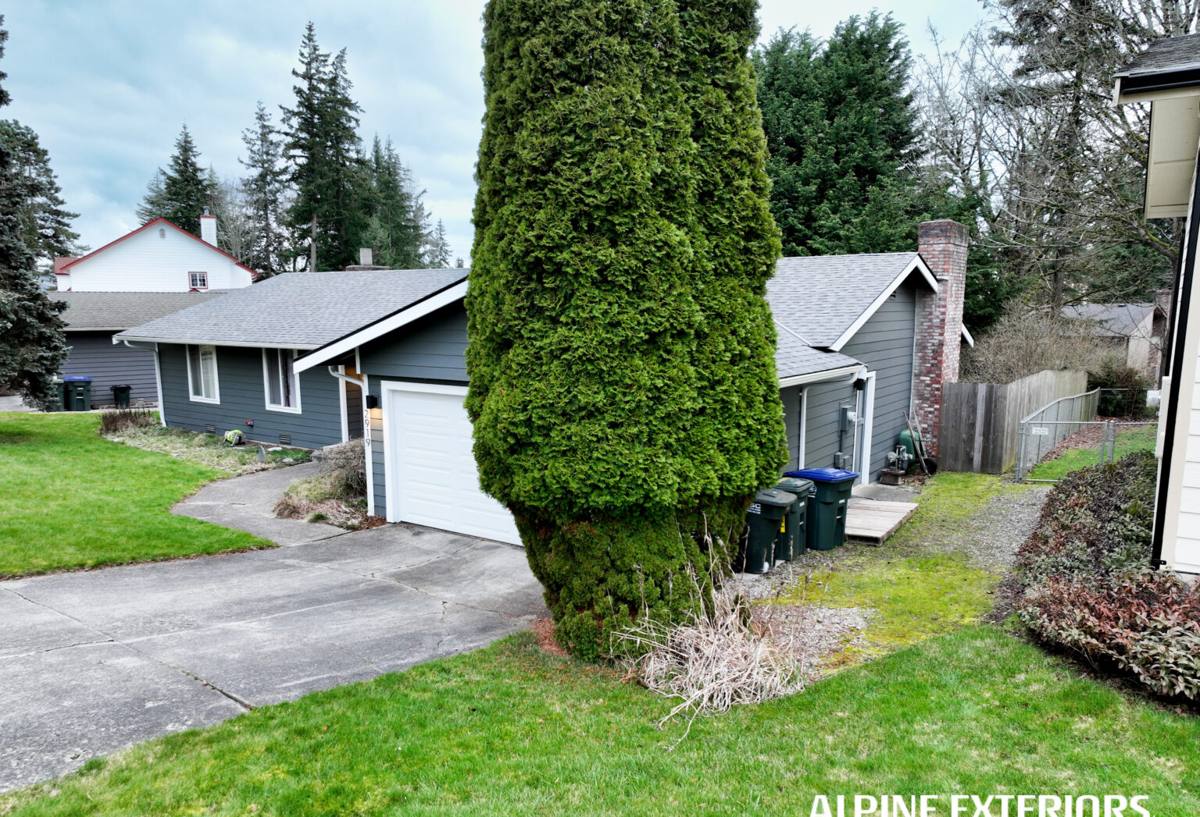
What This Climate Does to a House Over Time
Moisture That Doesn't Leave
Lynden's combination of river-valley humidity and regular Whatcom County rain means siding rarely gets a long dry stretch to fully release moisture it's absorbed. Products that swell, wick, or hold water at the surface stay wet longer here than they would in a drier climate, and that extended dampness is what drives rot, delamination, and paint failure.
Moss, Algae, and Organic Growth
Shaded walls, tree cover, and consistently damp surfaces make Whatcom County — Lynden included — prime territory for moss and algae staining on siding. This isn't just cosmetic. Organic growth holds moisture against the wall assembly and, on porous or absorbent siding materials, can contribute to long-term surface breakdown.
Temperature Swings and Freeze-Thaw
Lynden gets colder overnight lows than much of the immediate coastline, and winter freeze-thaw cycles put extra stress on any siding material that's already saturated with water. Materials that absorb moisture are more vulnerable to cracking and joint failure when a wet spell is followed by a hard freeze.
Why We Don't Install Everything on the Market
We get asked why we don't offer vinyl, LP SmartSide, cedar, or primed spruce alongside Hardie. The honest answer is that we've made a professional call to stand behind one system rather than sell whatever a homeowner asks for. Vinyl can warp and fade under UV and thermal cycling, and its seams and expansion gaps are more forgiving of workmanship shortcuts, which makes correct installation less consistent across crews. Wood-based products — cedar, primed spruce, engineered wood siding — depend heavily on paint film integrity and ongoing maintenance to keep moisture out; in a climate that stays damp as long as Lynden's does, that maintenance window is shorter and the consequences of falling behind on it are more expensive. None of these products are junk in the right application. They're just not what we're willing to warranty our labor against in this specific climate.
James Hardie fiber cement is non-combustible, dimensionally stable, and engineered specifically for wet, temperate climates through its HZ5 product line. That's the trade-off we've decided is right for Lynden homes, and it's the only system we install.
What a Correct Hardie Installation Involves
The siding panel itself is only part of the job. Most siding failures we get called out to inspect — on any brand — trace back to installation details, not the material. On a Lynden home, we pay particular attention to:
- Weather-resistant barrier (housewrap) installed and lapped correctly, with all penetrations properly flashed before siding goes on
- Rainscreen or drainage gap where wall conditions call for it, so bulk water and vapor can drain and dry instead of sitting against the panel
- Correct fastener type, spacing, and depth per Hardie's published installation instructions — critical for warranty coverage
- Proper clearance at grade, decks, patios, and roof lines so panels aren't sitting in standing water or snow load
- Caulked and sealed joints at trim, windows, and corners using compatible sealants that won't fail early in a wet climate
- Factory-cut and sealed panel edges wherever possible, since a raw cut edge is the most vulnerable point on any fiber cement panel
Skipping any one of these steps is how a good product turns into a callback five years later. This is the same standard we apply to every Hardie installation, and it's the process we bring to Lynden specifically because the moisture load here doesn't forgive shortcuts the way a drier climate might.
Choosing the Right Hardie Line for a Lynden Home
James Hardie makes its products in engineered climate zones, and HZ5 is built for regions like ours — where sustained moisture and moss are part of the deal, not an occasional problem. Beyond the base engineering, the profile choice matters for how a specific home sheds water and resists staining.
| Hardie Product | Best Fit For | Why It Works in Lynden |
|---|---|---|
| HardiePlank Lap Siding | Most single-family homes, classic or farmhouse styles common around Lynden | Widely proven lap profile sheds driving rain well when installed with correct overlap |
| HardiePanel Vertical Siding | Accent walls, gables, modern or barn-style exteriors | Clean vertical drainage path reduces water sitting in horizontal seams |
| HardieShingle | Craftsman-style homes, accent gables | Textured profile handles shade and moss-prone areas with the right finish |
| HardieTrim | Corners, fascia, window and door trim | Matches panel moisture performance so trim doesn't become the weak point |
We'll walk through which combination fits your home's exposure, roofline, and shading during the estimate — a home tucked under trees with a lot of north-facing wall needs different attention than one sitting open to full sun and wind.
ColorPlus Finish and Staying Ahead of Moss
James Hardie's ColorPlus finish is baked on at the factory under controlled conditions, which gives it better fade and adhesion resistance than field-applied paint — a real advantage in a climate where on-site paint jobs don't always get the dry cure time they need. It won't stop moss from landing on a shaded wall, but a sound, well-adhered finish is far easier to keep clean than a surface where paint is already lifting or the substrate is absorbing water. Routine rinsing of shaded and north-facing walls, keeping gutters clear so runoff doesn't sheet down the siding, and trimming back vegetation that shades a wall all go a long way toward keeping moss from getting a foothold in the first place.
What Drives the Cost of a Lynden Siding Project
| Factor | Why It Matters Locally |
|---|---|
| Home size and wall complexity | More corners, gables, and dormers mean more cutting, flashing, and trim work |
| Condition of existing sheathing | Long-term moisture exposure sometimes means repair work is needed before new siding goes on |
| Product line and profile mix | Lap, panel, and shingle products combined for accents cost more than a single profile |
| Trim and flashing detail | Proper flashing at windows, roof lines, and penetrations is labor-intensive but non-negotiable here |
| Access and site conditions | Mature landscaping, fencing, or tight lot lines around a property can add setup and staging time |
We give straight, itemized estimates rather than vague ballpark numbers, and we'll explain exactly what's driving the price on your specific house.
Why a Local Crew Matters for This Job
Installing Hardie siding correctly requires understanding how a specific house sits in its environment — which walls take the worst weather, where moss tends to establish, how the roofline sheds water onto the siding below. A crew that already works Whatcom County and communities like Lynden has seen these patterns repeatedly and builds the installation around them, rather than following a generic checklist written for a different climate. It also means someone local stands behind the work: if a question comes up after the job is done, you're not chasing down a crew that's moved on to another state.
Our Process
- Free on-site inspection of your current siding and wall condition, with an honest read on what's actually needed
- Written estimate that breaks out product, prep work, and labor — no vague lump sums
- Product and color selection guidance based on your home's exposure and style
- Removal of old siding and inspection of sheathing and weather barrier, with repairs addressed before anything new goes on
- Installation to Hardie's published specifications, including flashing, fastening, and joint sealing
- Final walkthrough so you know exactly what was done and how to maintain it
If you're in Lynden and dealing with siding that's staining, cupping, or falling behind on maintenance every year, we're happy to take a look and give you a straight answer — including whether a full replacement is even necessary yet. Reach out for a free, no-pressure estimate using the form below.