 Bellingham Exterior
 Roof Repair Built Around How Edgemoor Actually Weathers
Edgemoor sits close to Bellingham Bay, under a heavy canopy of mature trees, on lots that see more shade, more moisture, and more salt-laden air than roofs further inland. That combination is hard on a roof in ways that aren't always obvious from the ground. A shingle that would hold up fine in a drier, more open part of Whatcom County can fail early here simply because it never gets a chance to fully dry out between storms. Roof repair in this neighborhood isn't just patching a leak — it's understanding why that leak happened in the first place, and whether the same conditions will cause it again in a year if the underlying cause isn't addressed.
We've worked enough roofs in this part of Bellingham to know the pattern: moss and organic buildup accelerating wear, salt air corroding fasteners and flashing faster than the manufacturer's rated lifespan suggests, and tree debris clogging valleys and gutters until water finds the one weak seam in the system. None of that means an Edgemoor roof is doomed — it means repairs here need to account for conditions a generic repair crew might not think to check.
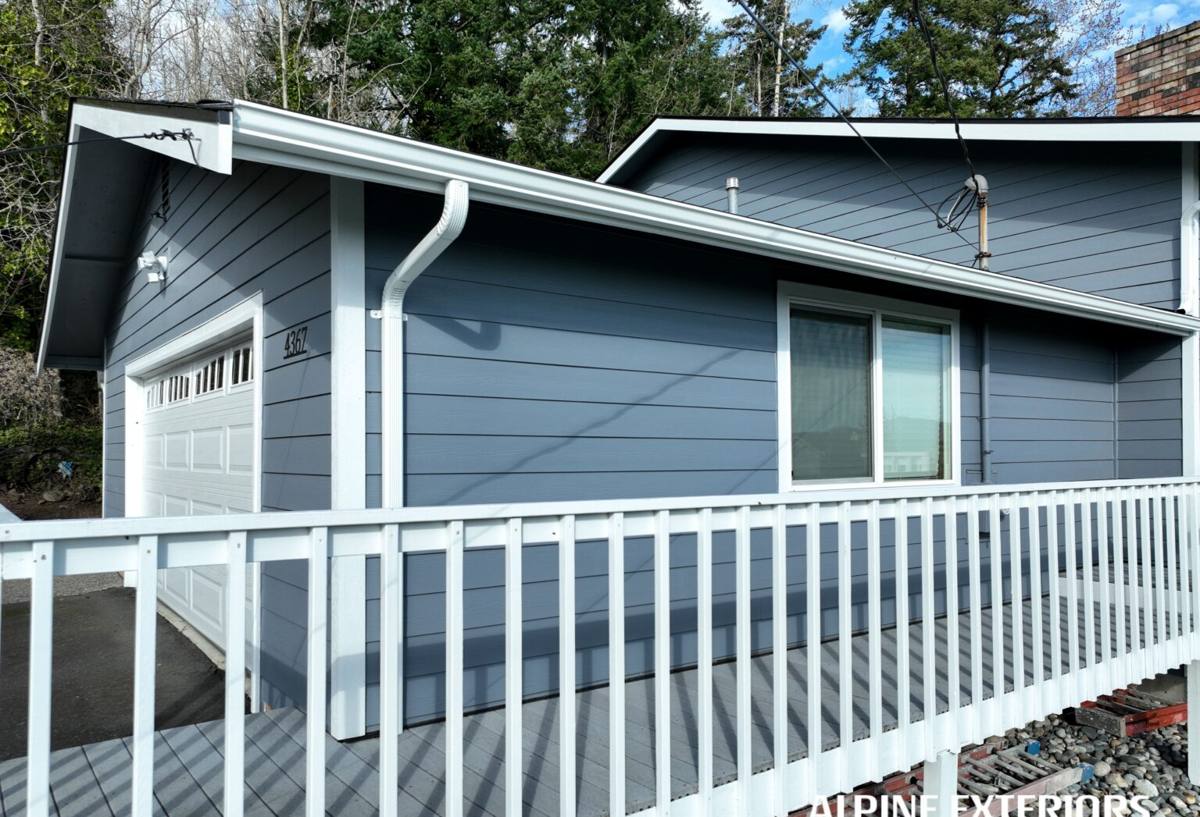
Why This Climate Is Harder on a Roof Than People Expect
Salt Air and Metal Fatigue
Proximity to Bellingham Bay means a steady, low-level exposure to salt-carrying air. Over years, that air accelerates corrosion on exposed metal — flashing, nail heads, gutter hangers, and any fasteners that aren't fully sealed or coated for coastal exposure. A fastener that rusts through doesn't just look bad; it stops holding the material it was driven to secure, which is how small leaks start at roof edges, valleys, and penetrations.
Driving Rain and Wind-Driven Water
Bellingham's weather doesn't just deliver rain — a lot of it arrives sideways, driven by wind off the water. That matters because roofing systems are largely designed to shed water moving downhill, not water being pushed sideways or upward under a shingle edge. Driving rain finds gaps that vertical rain never would, which is why flashing detail and underlayment condition matter more here than in drier, calmer climates.
Shade, Moisture, and a Long Moss Season
Heavy tree cover keeps roof surfaces shaded and slower to dry, which is exactly what moss, algae, and lichen need to establish and spread. Once organic growth takes hold, it holds moisture directly against the roofing material for extended periods — and it doesn't stay put. Root-like structures work into shingle granules and seams, lifting edges and creating channels for water to get underneath the surface layer instead of running off it.
Signs an Edgemoor Roof Needs Repair — Not a Full Replacement
Not every problem roof needs a new roof. Most of what we see called out for repair falls into a handful of categories:
- Isolated leaks around a chimney, skylight, or vent pipe where flashing has failed but the surrounding roofing material is still sound
- Moss or algae buildup that's already started lifting shingle edges in specific patches, usually on the shaded, north-facing slopes
- Missing, cracked, or wind-lifted shingles in a limited area after a storm
- Clogged or damaged valleys where debris has backed up water under the shingle courses
- Soft spots in decking limited to one section, usually tied to a long-standing leak that was never addressed at the source
- Gutter and fascia damage that's letting water track back up under the roof edge
The common thread is that the damage is contained and the roof's overall structure and remaining material are still doing their job. When that's the case, a well-executed repair addresses the actual cause and buys the roof real years, not just a patch that fails again next wet season.
What a Correct Repair Actually Involves
A repair that just covers the visible symptom tends to fail again within a season or two, especially under Edgemoor's conditions. A repair done right starts by finding the actual entry point — which is often several feet from where the water stain shows up inside, since water travels along decking and framing before it drips. From there, the work typically includes:
- Pulling back the affected shingles or roofing material to inspect the decking underneath for rot or soft spots
- Replacing any compromised decking before anything goes back down over it
- Installing or replacing underlayment in the repaired section so it matches current moisture-barrier standards
- Rebuilding flashing at valleys, chimneys, walls, or penetrations with corrosion-resistant material suited to coastal exposure
- Matching replacement shingles or roofing material as closely as possible to the surrounding roof in profile and color
- Clearing gutters, valleys, and downspouts in the area so water has a clear path off the roof going forward
Skipping the decking inspection is the single most common shortcut that leads to a repeat call. If the wood underneath is compromised and gets covered back up, the new material sits on a weak base and the leak returns — sometimes in a different spot, which makes it look like a new problem when it's really the same one.
Moss, Algae, and Organic Growth: Treat the Cause, Not Just the Symptom
Moss removal alone isn't a repair — it's maintenance that should happen alongside or ahead of any repair work. Scraping moss off a roof without addressing the shade and moisture that let it grow just resets the clock on regrowth. On heavily treed Edgemoor lots, that clock can run fast. A proper approach removes existing growth carefully (aggressive scraping can strip granules and shorten shingle life on its own), treats the surface to slow regrowth, and — where it's actually the source of the shade problem — recommends trimming overhanging limbs that keep a section of roof from ever drying out between rains. We'll always tell you honestly whether moss is cosmetic or whether it's already compromised the material underneath, because those two situations call for very different scopes of work.
Repair or Replace? What Actually Drives That Decision
| Factor | Leans Toward Repair | Leans Toward Replacement |
|---|---|---|
| Extent of damage | Localized to one section or feature | Spread across multiple slopes |
| Age of roofing material | Well within expected lifespan | At or past manufacturer's rated life |
| Decking condition | Solid, dry, no rot found | Widespread soft spots or rot |
| Flashing condition | Isolated failure points | Corroded or failing throughout |
| Moss/algae history | Recent, hasn't undermined material | Long-term, granules already lost |
| Underlying cause | Identifiable and fixable | Systemic — repair would just recur |
We walk every roof with this kind of honest assessment before recommending anything. If a repair genuinely solves the problem, that's what we'll propose — a full replacement isn't the right answer just because it's the bigger job.
How We Handle a Repair Job in Edgemoor
Inspection First
We start on the roof, not just looking up from the driveway. That means checking decking firmness, flashing condition, gutter flow, and how much shade and debris the tree canopy is contributing to the specific area in question — not just the spot where the leak shows up inside.
A Clear, Written Scope
You get a written explanation of what's actually wrong, what we're proposing to fix, and why — including honest cost ranges tied to the scope, not a vague number. If we find something worse once we open up the area (like rotted decking), we stop and talk to you before proceeding, not after.
The Repair Itself
Work is done to match the existing roof system as closely as possible, with materials and flashing detail suited to the salt air and driving rain this neighborhood gets. We don't cut corners on underlayment or flashing just because it's a repair rather than a full replacement — those details are exactly what determines whether the fix lasts.
Cleanup and Walkthrough
Job site is cleared of old material and debris, and we walk the completed work with you so you know exactly what was done and what to keep an eye on going forward.
Why It Matters That We Already Work This Neighborhood
A crew that mostly works drier, more open parts of Whatcom County can still do competent work — but they may not automatically account for the shade patterns, moss cycles, and coastal corrosion that show up consistently on Edgemoor roofs. Knowing that a north-facing slope under tree cover is going to need different attention than a sun-exposed slope on the same roof, or that fasteners near the bay need a higher corrosion resistance than the builder-grade standard, comes from having repaired enough roofs in these specific conditions to see the pattern repeat. That local familiarity shows up in fewer repeat calls and repairs that are scoped correctly the first time.
Simple Maintenance That Extends the Life of a Repair
Between service visits, a few habits make a real difference on a roof in this environment:
- Clear gutters and valleys of leaves and needles at least twice a year, more often under heavy tree cover
- Trim back branches that overhang the roof to cut down on shade and debris
- Have moss or algae addressed while it's still light, before it lifts shingle edges
- Check attic ventilation — poor airflow traps moisture and speeds up decking and shingle wear
- Walk the roofline after major windstorms to spot lifted or missing shingles early
- Don't ignore small interior stains — they're almost always a sign of a fixable problem, not a reason to wait
Catching small issues early is the difference between a modest repair and a much bigger, more expensive one down the line.
If you're dealing with a leak, moss buildup, or storm damage on an Edgemoor roof, we're glad to take a look and give you a straight answer about what it actually needs. Reach out for a free, no-pressure estimate using the form below.