 Bellingham Exterior
 Roof Replacement for South Hill Homes
South Hill sits above the rest of Bellingham, which means more exposure — more wind off the water, more direct rain, and a longer stretch of shade under mature trees that keeps roofs damp well after a storm has passed. A roof up here works harder than a roof tucked into a low, sheltered lot, and it shows in how fast moss takes hold, how quickly flashing corrodes, and how much punishment the north- and west-facing slopes take over a Whatcom County winter.
When a roof replacement is done right for this kind of exposure, it isn't just about swapping old shingles for new ones. It's about building in drainage, ventilation, and material choices that actually account for the site. That's the difference between a roof that looks good for two years and one that holds up for its full service life.
What Bellingham's Climate Does to a South Hill Roof
Salt Air and Driving Rain
Bellingham's proximity to the water means airborne salt finds its way onto roofing metal, fasteners, and flashing. Over years, that accelerates corrosion on anything that isn't rated for coastal exposure — cheap nails, bare steel flashing, and undersized drip edge are usually the first things to fail. Combine that with driving rain that comes in sideways during winter storms, and any weak point in the underlayment, flashing laps, or valley work turns into an active leak path rather than a minor cosmetic issue.
The Long Moss Season
Northwest Washington doesn't get a short moss season — it gets a long one, often running from fall through spring. South Hill's tree cover and elevation mean roofs here can stay damp longer than roofs in more open, sun-exposed parts of Bellingham. Moss isn't just unsightly. As it grows, it holds moisture against the roofing surface, lifts shingle edges, and works its way under tabs and around fasteners, opening the door for water intrusion that isn't visible from the ground.
What This Means for Materials and Installation
None of this means South Hill needs exotic materials — it means standard materials need to be installed with the right details: proper metal flashing gauges, corrosion-resistant fasteners, sufficient underlayment coverage in vulnerable areas, and ventilation that actually moves air instead of just checking a box. A roof replacement that skips these details might look identical on install day and still underperform within a few winters.
Signs a South Hill Roof Needs Replacing, Not Patching
- Granule loss heavy enough that shingles look bald or patchy, especially on south- and west-facing slopes
- Moss or dark streaking that keeps returning within months of cleaning
- Curling, cupping, or cracked shingles across multiple areas of the roof, not just one isolated spot
- Soft spots or sagging when walked on, which usually points to deck damage underneath
- Repeated leaks in different locations after previous patch repairs
- Visible daylight or water staining in the attic along the roof deck or rafters
- A roof approaching or past the manufacturer's expected service life for its material and exposure
A single missing shingle or one damaged flashing point is usually a repair. Multiple issues showing up at once, especially on a roof that's been patched more than once, is usually a sign the underlying materials are wearing out faster than the surface suggests.
What a Correct Roof Replacement Includes
Tear-Off and Deck Inspection
A full tear-off to the deck is the only way to know what's actually underneath. Hidden rot, old leak damage, or undersized sheathing won't show up until the old roofing is off, and covering over a compromised deck just sets up the new roof to fail early.
Underlayment and Ice/Water Protection
Given how much wind-driven rain South Hill sees, underlayment coverage matters more here than in more sheltered parts of the county. Valleys, eaves, and roof-to-wall transitions need self-adhering ice and water membrane, not just standard felt or synthetic underlayment, because these are the spots where wind-driven rain gets pushed uphill under the shingle line.
Flashing Details
Flashing around chimneys, skylights, vents, and sidewalls is where most leaks actually originate — not in the open field of shingles. Corrosion-resistant metal, correctly lapped and sealed, is non-negotiable for a home exposed to salt air.
Ventilation
Proper intake and exhaust ventilation keeps the attic space dry and temperature-balanced, which slows moss growth from the underside and prevents moisture buildup that leads to premature deck rot. A roof can be installed perfectly on the surface and still underperform if the attic underneath is trapping moisture.
Material Selection
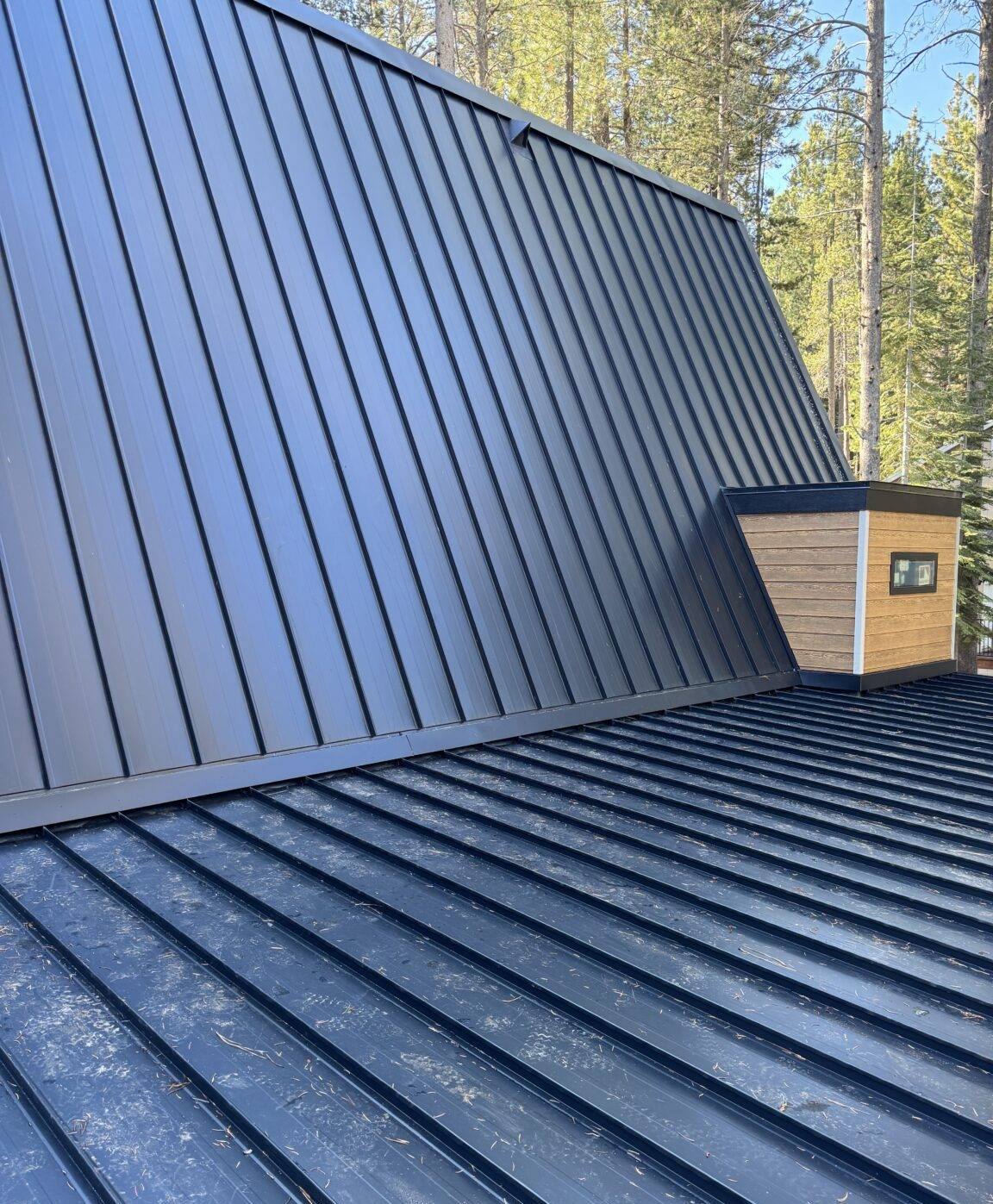
Most South Hill homes do well with a quality architectural asphalt shingle rated for wind and moisture exposure, though some homeowners choose metal roofing for its longevity and shedding performance in a moss-prone, high-moisture environment. The right choice depends on the roof's pitch, tree cover, and the homeowner's long-term maintenance preferences — we'll walk through the honest trade-offs for your specific roof rather than pushing one product.
Comparing Common Roofing Options for South Hill Exposure
| Material | Moss/Moisture Resistance | Salt Air Durability | Typical Lifespan | Maintenance |
|---|---|---|---|---|
| Architectural Asphalt Shingle | Good with proper ventilation and periodic cleaning | Good with corrosion-resistant flashing and fasteners | 25-30 years | Periodic moss treatment recommended |
| Standing Seam Metal | Excellent — sheds moisture, moss struggles to hold | Very good with coastal-rated coatings and fasteners | 40-60 years | Low; occasional gutter and fastener check |
| Cedar Shake | Requires diligent maintenance in a long moss season | Moderate; needs regular treatment | 20-30 years with upkeep | High; regular cleaning and treatment needed |
This is a general comparison, not a recommendation for your specific home — roof pitch, tree cover, and how much sun a given slope gets all change how each material actually performs on your property.
Our Process for a South Hill Roof Replacement
- On-site inspection. We walk the roof and attic, not just the ground-level view, to assess deck condition, ventilation, and existing flashing details.
- Honest scope and estimate. You get a clear breakdown of what's being replaced and why, in plain language, with no pressure to upgrade beyond what the roof actually needs.
- Material selection. We go over the trade-offs between shingle types and metal options based on your roof's specific exposure and your budget.
- Tear-off and deck repair. Old roofing comes off completely; any deck damage found is addressed before new materials go on, and we'll show you what we found.
- Installation. Underlayment, ice and water membrane at vulnerable areas, flashing, ventilation, and final roofing materials are installed to manufacturer specification.
- Final walkthrough. We review the completed work with you and make sure you understand what was done and what maintenance, if any, is recommended going forward.
Why Hire a Crew That Already Works South Hill
A roofing crew that regularly works South Hill and the surrounding Bellingham neighborhoods already understands how elevation, tree cover, and coastal exposure interact on this specific terrain. That familiarity shows up in small but important decisions — how much ice and water membrane to use in a shaded valley, which flashing gauge holds up against salt air, and where ventilation tends to fall short on homes built to older code. A crew unfamiliar with Whatcom County conditions may install a technically correct roof that still isn't matched to what this specific hillside and climate demand.
Local experience also means faster response if something needs attention after the job is done — no waiting on a crew that has to travel in from outside the area.
Maintaining a New Roof in a Moss-Prone Climate
- Have moss growth addressed before it spreads, ideally with a treatment appropriate to your roofing material
- Keep gutters clear so water isn't backing up under the roof edge during heavy rain
- Trim back overhanging branches where practical to reduce shade and debris buildup
- Schedule a roof check after major windstorms to catch lifted flashing or displaced shingles early
- Address small leaks immediately rather than waiting — early flashing repairs are far cheaper than deck replacement
What Roof Replacement Typically Involves Cost-Wise
Costs vary based on roof size, pitch, material choice, and how much deck repair is needed once the old roofing comes off — there's no honest way to quote a number without seeing the roof. In general, asphalt shingle replacements run less upfront than metal roofing, but metal's longer lifespan and lower long-term maintenance can close that gap over time, especially on a roof exposed to the moss and moisture South Hill sees. We'll give you a clear, itemized estimate after inspection so you know exactly what you're paying for and why.
If your South Hill roof is showing signs of wear, or you just want an honest opinion on whether it's a repair or replacement situation, we're happy to take a look. Fill out the form below for a free, no-pressure estimate.