 Bellingham Exterior
 Roof Repair in Sehome: Knowing What's Actually Wrong Before Anything Gets Fixed
Sehome sits close to Bellingham's core, on a mix of older homes, mid-century construction, and newer infill spread across the rise toward Sehome Hill. A lot of that housing stock has already been through one roof replacement or another, and the roofs that haven't reached full replacement age are the ones most likely to need targeted repair work right now. Whatcom County's marine climate doesn't do a roof any favors in the meantime. Salt-tinged air moves through steadily, rain tends to come in sideways rather than straight down, and shaded roof planes can hold moss for most of the year. None of that means a roof is failing. It usually means a specific detail, somewhere, has finally given out.
This page is about roof repair specifically, not full roof replacement. A lot of roof problems in Sehome are legitimately fixable without tearing off the whole roof, and a lot of homeowners get pushed toward replacement before anyone's actually confirmed that repair won't do the job. We think that call should be made after an honest inspection, not before one.
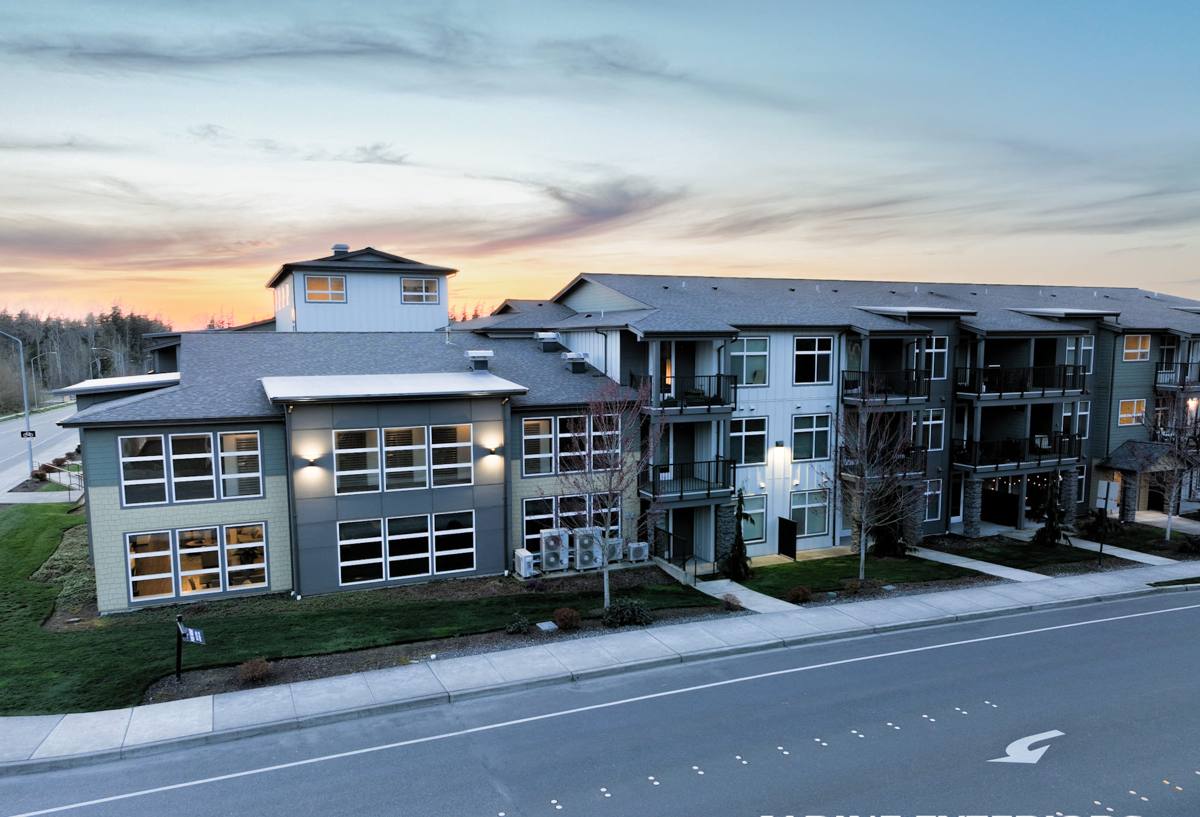
What Actually Causes Most Roof Repair Calls in Sehome
Flashing Failures at Transitions
Open shingle field rarely fails first. Flashing does, at chimneys, skylights, dormers, valleys, and anywhere a roof plane meets a wall. These are the spots where two different materials or two different roof angles have to be tied together, and they're also the spots most likely to have been rushed or under-detailed on an older install. Salt air speeds up corrosion on lower-grade flashing metal and fasteners, and once a flashing seam opens even slightly, wind-driven rain finds it fast.
Trapped Moisture and Moss
Shaded roof planes, especially anything facing north or sitting under mature trees near Sehome Hill, hold moisture longer than open, sun-exposed sections of the same roof. Moss doesn't just sit on top of shingles, it works into the granule layer and holds water against the surface, which accelerates wear on exactly the section that's already getting the least sun to dry out. By the time moss is visible from the ground, it's usually been established for a while.
Wind and Storm Damage
Lifted, cracked, or missing shingles after a windstorm are a common, straightforward repair call. The tricky part isn't replacing what's visibly gone, it's checking the underlayment and deck underneath for water intrusion that happened before the missing shingles were ever noticed. A repair that only replaces the obvious damage without checking what's underneath is a repair that can fail again within a season.
Aging or Mismatched Prior Repairs
Older Sehome homes sometimes carry a patchwork of prior repairs, a different shingle lot here, an extra bead of sealant there, done by whoever was available at the time. Those quick fixes usually address a symptom rather than the underlying flashing or underlayment issue, and they tend to resurface as leaks a year or two later, often in a slightly different spot than where the original patch was applied.
Repair vs. Replacement: Making an Honest Call
The right answer depends on how much of the roof is actually compromised, not just on how old it is by the calendar.
When Repair Makes Sense
If the roof deck is sound, if damage is isolated to a section, a flashing detail, or storm-related shingle loss, and if the rest of the roof still has reasonable service life left, a targeted repair is usually the right call. It costs less, it's faster, and it doesn't waste the useful life still left in the roof's undamaged sections.
When Replacement Is the Honest Answer
If we open up a repair area and find soft or rotted decking, widespread granule loss across multiple roof planes, or a pattern of repeated leaks in different spots that all point back to worn-out underlayment, patching that roof again is just delaying a bigger job and spending money that won't hold. We'll tell you when that's the case, even when a repair would have been the easier conversation to have.
What a Correct Roof Repair Actually Involves
Diagnosis Before Any Fix
We start by finding where water is actually getting in, not just where a stain shows up inside the house. Water can travel a surprising distance along rafters or sheathing before it shows on a ceiling, so the visible stain and the actual entry point are often in different places. Getting that wrong means the repair gets made in the wrong spot and the leak comes back.
Matching Materials and Integrating Flashing
A repair that's tied into the surrounding roof system holds up. A repair that's just caulked over the top of a problem doesn't. That means matching shingle profile and, where possible, color, so the repair doesn't stand out as an obvious patch, and rebuilding flashing so it's properly lapped and sealed into the existing underlayment rather than sealant applied over a gap.
Checking What's Underneath
Any repair that involves removing shingles is a chance to look at the decking and underlayment underneath before closing it back up. Skipping that step to save time on a repair call is how a small fix turns into a bigger, more expensive problem a year or two down the line.
Common Sehome Roof Repair Scenarios
| Issue | Typical Cause | What a Correct Repair Addresses |
|---|---|---|
| Leak near a chimney or skylight | Aging or improperly lapped flashing | Rebuild and re-lap flashing, tie into existing underlayment |
| Moss buildup on shaded slopes | Sustained shade, limited airflow, organic debris | Careful moss removal, treatment, and inspection for granule loss underneath |
| Missing or lifted shingles after wind | Under-fastened shingles or age-related brittleness | Replacement with matched shingles, deck check for hidden water intrusion |
| Recurring leak in a new location | Prior patch addressed a symptom, not the source | Trace the actual entry point, not just the newest stain |
| Soft spot or sag in one section | Long-term moisture trapped under shingles or moss | Open the section, assess deck condition, repair or replace as warranted |
Every one of these can look similar from the ground and turn out to be a completely different scope once we're actually up on the roof, which is why we don't quote repair work sight unseen.
How Our Repair Process Works
- In-person inspection: We get on the roof and, where relevant, into the attic, rather than estimating a repair from photos or a description over the phone.
- Honest diagnosis: We identify the actual source of the problem and tell you plainly whether it's a repair or something bigger.
- Written scope: You get a clear description of what we found and what we're proposing to fix, not a vague line item.
- The repair itself: Matched materials, properly integrated flashing, and a check of anything underneath that we've opened up.
- Follow-up documentation: We tell you what we found and what we did, so there's a record if the same area ever needs attention again.
Signs Your Sehome Roof Needs Repair Now
- A water stain on a ceiling or in the attic, even a small one that hasn't grown
- Missing, cracked, or curling shingles anywhere on the roof
- Moss or dark streaking that's returned quickly after a previous cleaning
- Granules collecting in gutters faster than they should for the roof's age
- Daylight visible through the roof deck from inside the attic
- A soft spot or slight give underfoot on an otherwise walkable roof section
- Flashing that looks lifted, cracked, or heavily rusted around a chimney or vent
Any one of these on its own doesn't necessarily mean a major problem, but it's worth having someone look before the next stretch of wet weather turns a small issue into a bigger one.
Why Hiring a Crew That Already Works in Sehome Matters
Roof repair is judgment work more than it's a checklist. Knowing whether a stain means a five-minute flashing fix or a deeper deck problem takes having seen enough Bellingham roofs, in this exact climate, to recognize the difference quickly. A crew that already works in Sehome has a feel for which roof orientations hold moss longest given the neighborhood's tree cover and terrain, which older homes are likely to have flashing details that predate current standards, and how driving rain off the Salish Sea tends to find its way into a roof system here specifically. That's not something a contractor coming from a different region picks up on the first visit.
It also matters afterward. A repair warranty only means something if the company that gave it is still around and reachable when you need them, not a crew that worked the area for one season and moved on.
A Practical Checklist Before Hiring for Roof Repair
- Do they inspect in person, on the roof, before quoting a repair?
- Does the estimate explain what they found, not just what they'll charge?
- Will they check underlayment and decking wherever shingles come off, not just patch over the surface?
- Do they carry current Washington contractor licensing and liability insurance?
- Will they tell you honestly if repair isn't the right call, even if it costs them the job?
- Do they offer a written workmanship warranty on the repair itself, separate from any material warranty?
If your Sehome roof has a leak, storm damage, moss buildup, or a repair that didn't hold the first time, we're glad to take an honest look and give you a clear, no-pressure estimate. Use the form below to schedule a free inspection.