 Bellingham Exterior
 Windows in Sunnyland Have a Different Job to Do
Sunnyland is a well-established Bellingham neighborhood, and a lot of its housing stock is old enough that the original windows have already outlived their usefulness. That's not a knock on the homes — it's just what happens after decades of Whatcom County weather. Salt-laden air off Bellingham Bay, driving wind-blown rain, and a moss season that can stretch across much of the year all work on window frames, sills, and seals in ways that drier climates never have to deal with. A window that would last thirty years in eastern Washington might start failing here in half that time if it wasn't built or installed with this climate in mind.
When we talk about "energy-efficient windows" for a Sunnyland home, we're not just talking about a sticker on the glass. We're talking about a window and an installation that keep water out, resist the moisture load of a marine climate, and actually perform the way they're rated to once they're sealed into your wall.
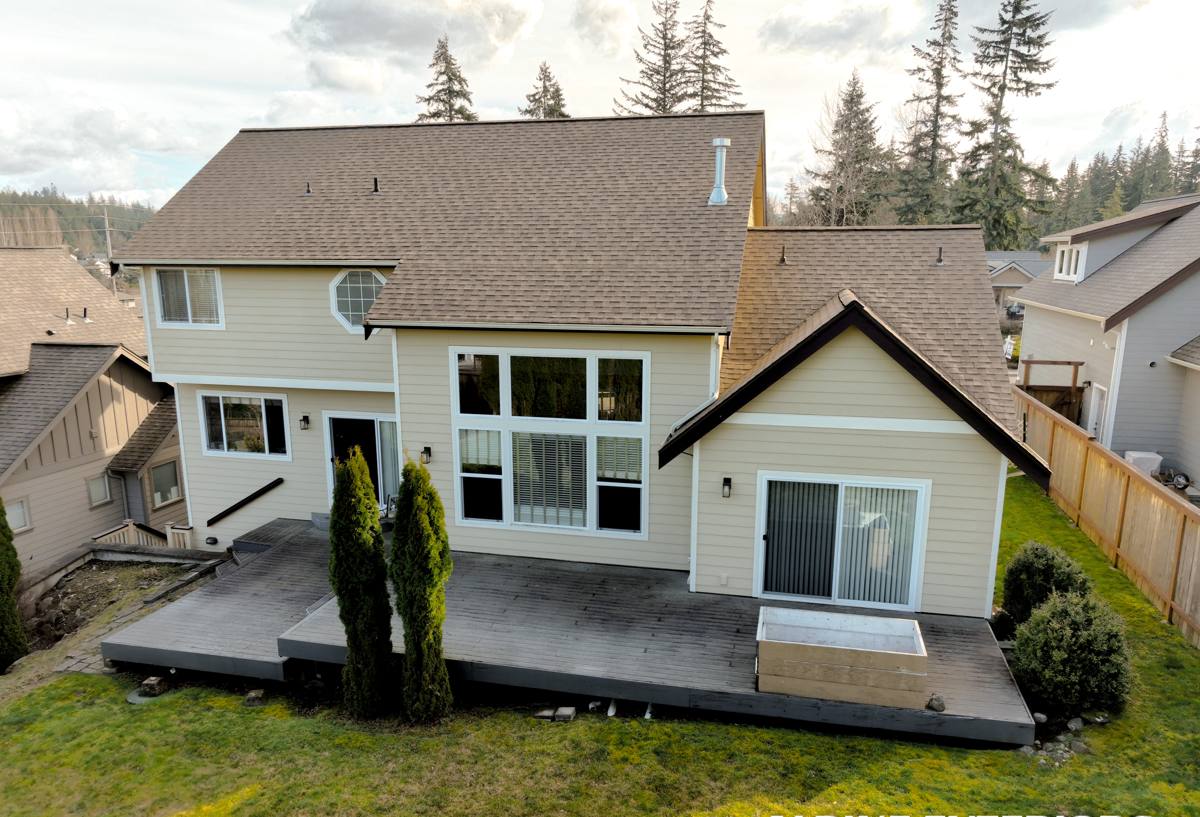
What the Local Climate Actually Does to Windows
Salt Air and Metal Components
Homes closer to the bay see slow corrosion on hardware, screens, and lower-quality frame components over time. Cheap latches and rollers pit and stick. It's rarely dramatic — it's just a steady wearing-down that eventually shows up as a window that won't latch tight or won't slide smoothly, which is also a window that's no longer sealing the way it should.
Driving Rain and Wind-Driven Water
Bellingham's rain doesn't always fall straight down. Wind off the water pushes it sideways into wall assemblies, which means the flashing and sealant details around a window matter as much as the window itself. A perfectly good window installed without proper weatherproofing will still leak.
Moss, Mildew, and Prolonged Dampness
A long wet season keeps humidity elevated for months at a stretch. Wood sills and frames that sit damp for extended periods are prone to rot if they aren't sealed or drained properly. Moss and mildew growth on and around window trim is usually a sign that water is sitting somewhere it shouldn't be.
Signs Your Sunnyland Home's Windows Are Underperforming
- Cold drafts near the frame even when the window is fully latched
- Condensation or fogging between the panes of a double- or triple-pane unit (a sign the seal has failed)
- Sashes that are hard to open, close, or lock — often a sign of frame warping or hardware corrosion
- Visible daylight or gaps around the frame from outside
- Soft, discolored, or spongy wood on the sill or lower frame
- A noticeable jump in heating costs compared to similar homes nearby
- Persistent moisture or mildew smell near windows during the wet months
Any one of these on its own might not mean much. Several together usually mean the window has reached the end of its useful life and is actively working against your home's insulation, not with it.
What "Energy-Efficient" Means in Practical Terms
Manufacturers rate windows using a few core numbers, and they matter more in a climate like ours than in most:
| Rating | What It Measures | Why It Matters Here |
|---|---|---|
| U-Factor | How well the window resists heat loss (lower is better) | Keeps homes warmer through Bellingham's long, damp, cool season |
| SHGC (Solar Heat Gain Coefficient) | How much solar heat passes through the glass | Less critical here than in sunnier climates, but still affects comfort on clear days |
| Air Leakage Rating | How much air passes through the window assembly | Directly tied to draft resistance and moisture intrusion during wind-driven rain |
| Condensation Resistance | How well the window resists interior condensation | Important with our elevated humidity and indoor-outdoor temperature swings |
A window can carry a great efficiency rating on paper and still underperform if it isn't installed correctly. The rating describes the product tested in a lab, not the finished install in your wall. That's why we treat the installation itself as being just as important as the window you choose.
Frame Materials: Trade-Offs for a Marine Climate
| Frame Material | Strengths | Watch-Outs Locally |
|---|---|---|
| Vinyl | Low maintenance, good insulation value, resists moisture damage, affordable | Lower-grade vinyl can become brittle over many years; quality varies widely by manufacturer |
| Fiberglass | Very stable in temperature swings, strong, low maintenance, holds paint well | Higher upfront cost than vinyl |
| Wood-Clad | Classic appearance, good insulation, works well on period homes | Exposed wood components need diligent maintenance in a wet climate; cladding seams are a moisture risk if not detailed carefully |
| Aluminum | Strong, slim sightlines | Poor insulator on its own and prone to condensation unless thermally broken; we're selective about where we recommend it here |
We don't push one frame material on every home. A 1940s Sunnyland bungalow and a newer build have different needs, and the right call depends on your budget, your home's style, and how much maintenance you actually want to keep up with. What we won't do is install a product we know is a poor match for how wet this climate stays — that's a maintenance headache we'd rather steer you away from up front.
Our Installation Process
- On-site assessment. We look at the existing window, the condition of the surrounding wall and sill, and any signs of past water intrusion — not just the glass itself.
- Removal. Old sashes and frames come out carefully to avoid unnecessary damage to siding or interior trim.
- Inspection of the rough opening. This is where a lot of installers cut corners. We check the sheathing and framing underneath for rot or soft spots before anything new goes in — putting a new window into a compromised opening just hides a bigger problem.
- Flashing and weatherproofing. Proper flashing tape and sealant details around the opening are what actually stop wind-driven rain from getting behind the window over time. This step matters more here than almost anywhere else in the country.
- Setting and shimming the window. Level, plumb, and square installation prevents the drafts and operational problems that come from a racked frame.
- Sealing and insulating the gap. The space between the window frame and the rough opening gets properly insulated and sealed — not just caulked on the surface.
- Interior and exterior trim. Finish work is completed to match your home, and everything is cleaned up before we leave.
Why the Installation Matters More Than the Brand Name
We'll say this plainly: a mid-range window installed correctly will outperform a premium window installed poorly, especially in this climate. Most of the window failures we get called out to inspect in Bellingham homes aren't failures of the glass or the frame — they're failures of flashing, sealant, or a rough opening that was never properly checked. Water finds its way in around the edges, not usually through the window itself.
That's why our estimate walks you through both parts of the job: the product you're getting and exactly how we plan to install it. If a contractor can't explain their flashing and sealing approach in plain terms, that's worth asking more questions about before you sign anything.
What a Correct Job Should Include
- A rough opening inspection before the new window ever goes in
- Repair of any rot or damaged framing found during removal — not installation over it
- Proper flashing integration with your home's existing weather-resistive barrier
- Manufacturer-approved sealants and installation methods (so the window's warranty stays valid)
- Correct shimming for a level, square, properly operating window
- Interior and exterior trim finished to match the surrounding wall
- A clear explanation of the window's efficiency ratings and what they mean for your home
- Cleanup and haul-away of old materials
Why Local Experience in Sunnyland Matters
Working windows in Bellingham neighborhoods like Sunnyland day in and day out teaches you things a general contractor passing through wouldn't necessarily know — which older home styles tend to have specific rough-opening quirks, how a given wall assembly typically holds up after decades of Whatcom County weather, and how to schedule and sequence a job so it isn't fighting the rain the whole time. Window installation has a real weather-dependency: you want an experienced crew that plans around the forecast, protects the opening during the work, and doesn't leave your home exposed longer than necessary.
A crew that already knows this area also tends to have a more realistic sense of what your home actually needs versus what a sales pitch might push. We'd rather recommend the right product and the right level of work than the most expensive option.
Cost Factors to Understand Before You Get an Estimate
| Factor | How It Affects Price |
|---|---|
| Number of windows | Per-unit cost typically drops somewhat with larger projects |
| Frame material | Vinyl is generally most affordable; fiberglass and wood-clad cost more |
| Glass package | Double-pane vs. triple-pane, and any specialty coatings, affect both cost and performance |
| Window size and type | Larger units, custom shapes, and operable styles like casements cost more than standard sliders or single-hungs |
| Condition of the rough opening | Rot repair or framing work adds labor and material beyond the window itself |
| Access and site conditions | Second-story or hard-to-access windows can add labor time |
We give straightforward, itemized estimates so you can see exactly what you're paying for — the windows, the labor, and any repair work — rather than a single lump number that hides where the cost is coming from.
Ready to Talk About Your Windows?
If your Sunnyland home has drafts, fogged glass, or windows that just feel like they're not doing their job anymore, we're happy to take a look and give you a straightforward assessment. There's no pressure and no obligation — just a clear picture of what's going on and what it would take to fix it right. Use the form below to request your free estimate.