 Bellingham Exterior
 Board & Batten Siding in York — Built for This Neighborhood's Climate
York is one of Bellingham's older, well-established residential neighborhoods, with a mix of home styles that range from mid-century bungalows to newer infill construction. Board and batten siding — with its vertical wide panels and narrow battens covering the seams — shows up often here because it suits both the traditional character of older York homes and the cleaner lines some newer builds are going for. It's a distinctive look, but it only holds up long-term in Whatcom County's climate if it's built with the right material and installed with real attention to water management. Get either of those wrong and board and batten is one of the least forgiving siding profiles to deal with, because every seam and every batten strip is a potential path for water to get behind the cladding.
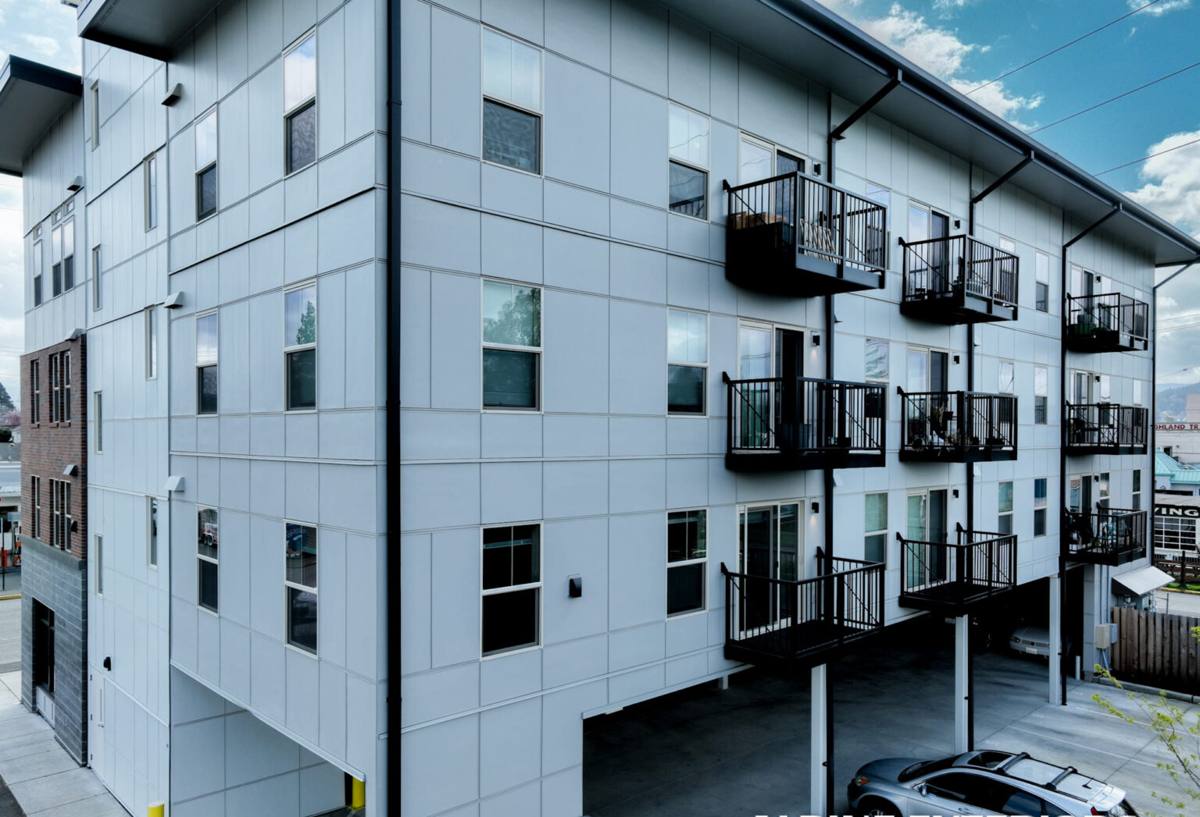
What Bellingham's Climate Actually Does to Board & Batten Siding
Board and batten siding fails in predictable ways in this region, and it almost always comes down to three things: moisture that gets trapped rather than shed, growth that establishes itself on surfaces that never fully dry, and material that swells or degrades from repeated wet-dry cycling.
Salt Air
Bellingham sits on Bellingham Bay, and homes throughout the city — including York, which isn't far from the water — get some exposure to salt-laden air carried in off the Sound. Salt air accelerates corrosion on fasteners and metal flashing, and it degrades poorly-protected wood and composite substrates faster than an inland climate would. Any board and batten system here needs corrosion-resistant fasteners and flashing detail that doesn't rely on paint alone to keep salt moisture out of the substrate.
Driving Rain
Whatcom County doesn't just get rain — it gets wind-driven rain that hits siding at an angle, which matters a lot for a vertical profile like board and batten. Water doesn't just run down the face of the panel; it gets pushed sideways into the batten seams and butt joints. A board and batten install that only accounts for straight-down rainfall will leak within a few wet seasons. The battens, the panel-to-panel gaps, and the flashing at every horizontal transition all have to be detailed for driving rain, not fair-weather rain.
The Long Moss Season
Bellingham's moss season runs long — realistically most of the year outside of a dry summer stretch — and it's worse on siding that stays shaded or doesn't get enough airflow behind it to dry out. Moss and algae growth on siding isn't just cosmetic. It holds moisture against the surface, and on the wrong substrate that moisture works its way in over time. Board and batten's vertical battens create narrow ledges and shadow lines where moss gets a foothold faster than it would on flat lap siding.
Why Board & Batten Is Less Forgiving Than Other Profiles
Every siding profile depends on a water-resistive barrier behind it doing the real work, with the cladding itself as the first line of defense. But board and batten has more linear feet of seam per square foot of wall than almost any other siding style — every batten strip is a seam, and every panel butt joint is a seam. More seams means more places for a mistake to let water in, and more places where the choice of fastener, the gap width, and the flashing detail all have to be right at the same time. This is exactly why we won't install board and batten in cheaper composite materials or in vinyl: those products don't hold paint or caulk at seams reliably over time, and in a wet, salt-influenced climate like Bellingham's, that shortens the life of the whole system.
What We Install: James Hardie Board & Batten in Fiber Cement
We install James Hardie fiber cement exclusively, and for board and batten applications that means Hardie panel products engineered specifically for vertical siding, finished with battens over the panel seams. A few specifics that matter for a York-area home:
- HardiePanel vertical siding — a fiber cement panel rated for this region's exposure, used as the base layer under the battens.
- HZ10 climate-engineered formulation — Hardie's products for the Pacific Northwest are engineered for the wet, moderate climate here, which is different from the formulation used in drier or hotter regions.
- ColorPlus factory finish — a baked-on finish that holds color and resists the fading and chalking that field-applied paint is more prone to, which matters when you're dealing with a lot of exposed batten edges.
- Non-combustible material — fiber cement doesn't burn, which is a real consideration anywhere in Whatcom County given regional wildfire smoke seasons and general fire-safety planning.
Fiber cement doesn't swell, rot, or delaminate the way wood or engineered wood products can when they take on repeated moisture. That matters most exactly where board and batten is most vulnerable — at the seams — because Hardie's panels hold their dimension and hold paint and caulk at those joints far better over a 20-30 year span than the alternatives.
What a Correct Install Actually Involves
The finished look of board and batten hides almost all of the work that determines whether it lasts. Here's what has to happen underneath, in order:
1. Tear-Off and Substrate Inspection
Old siding comes off and the sheathing underneath gets inspected for rot or water damage — this is often the first time hidden damage from a previous install shows up, especially around window and door openings where flashing is commonly missed.
2. Water-Resistive Barrier
A continuous weather-resistive barrier goes over the sheathing, lapped correctly at every seam and penetration, before any siding goes up. This is the layer doing the real waterproofing work — the siding sheds most of the water, but the barrier handles what gets through.
3. Flashing at Every Transition
Windows, doors, roof-to-wall intersections, and any horizontal trim all need proper flashing integrated with the water-resistive barrier, not just caulked over. This is the single most common place we find deficient installs when we're re-siding a home in this region.
4. Panel Installation with Correct Gaps and Fastening
Hardie panels get installed with manufacturer-specified gaps and fastener patterns — fastened per spec, not just "close enough" — because fastener placement affects both structural performance and how the panels handle expansion and contraction.
5. Battens Installed Over Panel Seams
The battens go over the panel joints, fastened into framing, with attention to consistent reveal and spacing so the finished wall reads as one continuous pattern rather than a patchwork.
6. Final Sealant and Inspection
Sealant goes only where Hardie's install specifications call for it — over-caulking is as much a problem as under-caulking, because it can trap moisture rather than let it drain.
Comparing Siding Options for a York Home
| Factor | Vinyl Board & Batten | Wood/Engineered Wood | James Hardie Fiber Cement |
|---|---|---|---|
| Performance in driving rain | Seams can flex and let water track behind panels | Absorbs moisture at seams if not maintained | Rigid panel holds seal at seams when installed to spec |
| Salt air / corrosion resistance | Panel itself is fine; fasteners still a concern | Moderate — depends on coating maintenance | Strong with corrosion-resistant fastener spec |
| Moss and algae resistance | Moss grows on the surface readily | Moss holds moisture against wood, accelerating decay | Doesn't feed decay; surface can be cleaned without damaging substrate |
| Fire resistance | Combustible | Combustible | Non-combustible |
| Finish longevity | Fades, can warp in heat | Needs repainting/staining on a cycle | ColorPlus finish holds color long-term |
| Typical lifespan when installed correctly | 20-30 years | 15-25 years with regular maintenance | 30+ years, backed by a transferable warranty |
Upfront cost for board and batten in fiber cement runs higher than vinyl and is generally comparable to or somewhat above quality wood siding once you account for the labor-intensive batten installation. The cost difference narrows considerably when you factor in repainting cycles and repair work that wood and vinyl siding tend to need over the same time span in this climate.
Why Hiring a Crew That Already Works in York Matters
A siding crew that regularly works York-area homes has already seen how this neighborhood's mix of older framing and newer construction behaves, knows what Bellingham's permitting and inspection process expects for a re-side, and isn't guessing at how much exposure a given lot gets based on tree cover or proximity to the water. That local pattern recognition shows up in small decisions — how much of a rain gap to build in, where extra flashing attention is worth it, which walls of a York home take the worst of the weather — that a crew unfamiliar with Whatcom County conditions won't necessarily catch on a first pass.
A Homeowner's Checklist Before Hiring for Board & Batten
- Ask what water-resistive barrier system will be used and how it's detailed at seams and penetrations
- Confirm the fastener type and spacing meet the manufacturer's specification for your wall assembly
- Ask to see how flashing will be handled at windows, doors, and roof lines specifically
- Get the batten spacing and reveal spelled out so you know what the finished pattern will look like
- Confirm whether the quote includes tear-off, sheathing repair (if needed), and disposal
- Ask about the manufacturer's warranty terms and whether it's transferable if you sell the home
- Get a maintenance expectation in writing — what you'll need to do, and how often
Maintenance Expectations After Install
Even a correctly installed board and batten system in fiber cement isn't zero-maintenance. Plan on an annual visual check for any caulking that's pulled away, especially at trim and flashing points, and a periodic gentle wash to keep moss and algae from establishing in Bellingham's long wet season. Because ColorPlus finish is factory-applied and warrantied, you're not on a repainting cycle the way you would be with wood — but the finish still benefits from being kept clean, particularly on north-facing or shaded walls where moss gets the most opportunity to take hold.
If you're considering board and batten siding for a home in York or elsewhere in Bellingham, we're happy to take a look and walk you through what a correct install looks like for your specific home — no pressure, no obligation. The estimate form below is a good place to start.