 Bellingham Exterior
 Window Installation in York, Bellingham: Built for the Weather That's Actually Here
York is one of Bellingham's established neighborhoods, and like most of the city it sits close enough to the water and the tree canopy to take the full brunt of what Whatcom County weather can do to a house. Salt-laden air off the bay, driving rain that comes in sideways more often than straight down, and a moss season that seems to stretch longer every year all work on window openings in ways that dry-climate installation methods simply weren't designed for. A window that's installed correctly for Bellingham looks the same as one installed for Phoenix or Denver, but underneath the trim, the flashing details, sealant choices, and drainage paths are doing very different jobs.
This page is about one thing: installing windows in York homes the right way, for this climate, by a crew that already works in this part of Bellingham. No generic national-franchise script, no upsell pressure — just what your house actually needs.
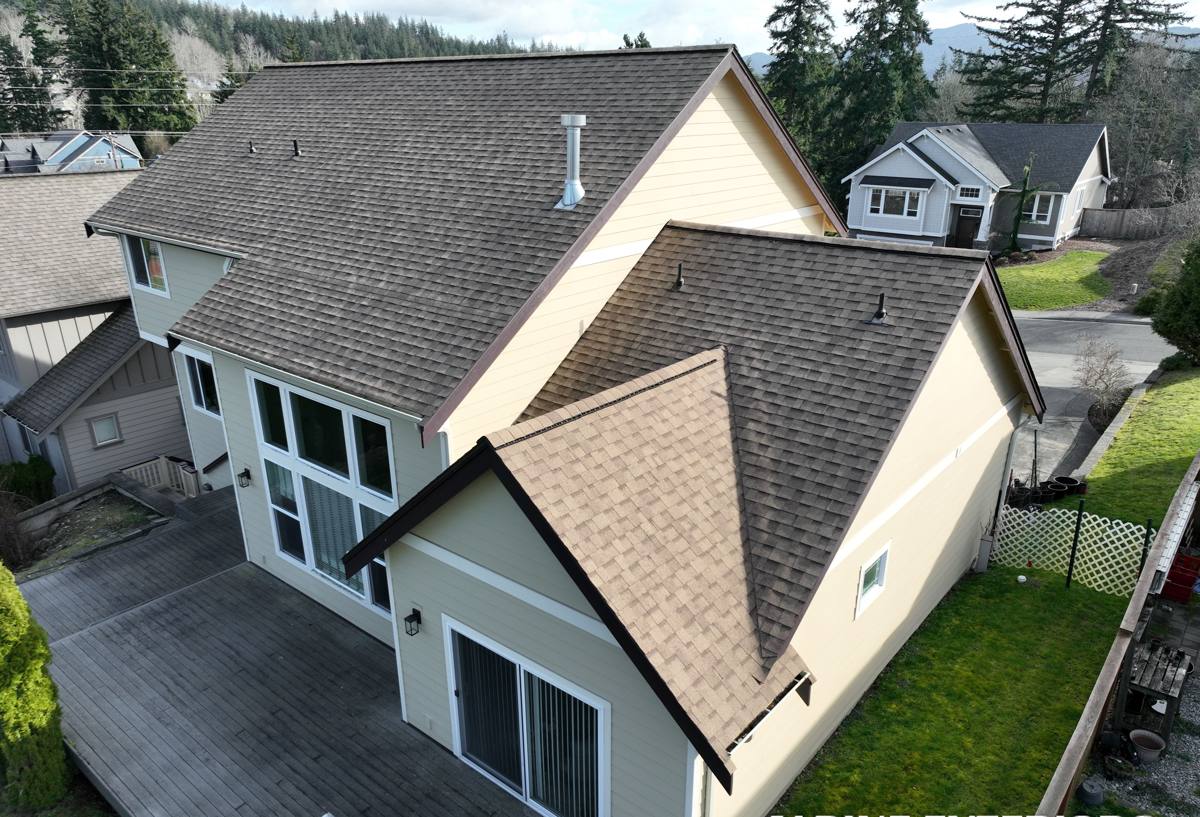
What York Homes Need From Their Windows
Bellingham's housing stock spans decades, and York is no exception — you'll find everything from older single-pane wood windows that have been patched and repainted for years, to 1990s and 2000s vinyl units that are now failing at the seals. Whatever the age, the climate stress is the same: constant moisture exposure, wind-driven rain that tests every seal, and salt air that accelerates corrosion on hardware and fasteners that aren't rated for it.
Signs Your Windows Are Losing the Fight
Homeowners in this area usually notice one or more of these before they call:
- Fogging or a visible haze between the panes of a double-pane window — the seal has failed and the gas fill is gone
- Soft or discolored wood trim around the window frame, especially on the side that takes the weather
- Drafts you can feel with your hand near the frame on a windy day
- Windows that are difficult to open, close, or lock — often a sign the frame has shifted or swollen
- Visible moss or black staining building up on the sill or exterior trim
- Rising heating bills without any other obvious explanation
None of these are emergencies on their own, but they're all signs that the window's ability to keep water and air out where it belongs is degrading — and in a climate this wet, that degradation doesn't slow down on its own.
What a Correct Installation Actually Involves
Swapping an old window for a new one is the easy part. Getting the water management right around the opening is where most installation problems — and most callbacks — actually come from. A rushed or corner-cutting install can look fine for a year or two and then start leaking into the wall cavity, which is a far more expensive problem than the window itself.
The Steps We Follow
- Remove the old window carefully and inspect the framing, sill, and sheathing underneath for hidden rot or water damage before anything new goes in
- Repair or replace any compromised framing — installing a new window into a soft or wet opening just hides the problem, it doesn't fix it
- Install flashing tape and a sloped sill pan so any water that gets past the window is directed back outside, not into the wall
- Set the new window plumb, level, and square, then shim and fasten it according to the manufacturer's specifications — this matters for both performance and warranty coverage
- Seal the exterior with the correct sealant for the siding material, and insulate the gap between the frame and the rough opening without over-packing it
- Reinstall or replace exterior trim and interior casing, then do a final check of operation, locking hardware, and weep holes
Every one of those steps matters more in a climate that sees this much rain. Skip the sill pan or use the wrong sealant, and you may not see the consequences until the damage is already inside the wall.
Choosing the Right Window for a Bellingham Climate
There's no single "best" window material — the right choice depends on your home's exposure, your maintenance preferences, and your budget. Here's how the common options compare for a coastal Whatcom County climate:
| Material | Moisture & Salt Air Resistance | Maintenance | Typical Lifespan |
|---|---|---|---|
| Vinyl | Very good — won't rot or corrode | Low; occasional cleaning | 20-30 years |
| Fiberglass | Excellent — very stable in wet, temperature-swinging conditions | Low | 30-40+ years |
| Wood-clad | Good on the exterior clad side, but the interior wood core needs protection from any leaks | Moderate to high; exterior cladding helps but seals need monitoring | 20-30 years with upkeep |
| Aluminum | Prone to condensation and corrosion in salt air without a thermal break | Moderate | 15-25 years |
We don't push one brand over another as a matter of course. Our standard is about how a window performs once it's actually installed in a wet, salt-exposed climate — how well it drains, how the frame material holds up over decades, and how serviceable it is if a seal or piece of hardware ever needs attention. We're glad to walk through the specific options that make sense for your home and budget during a walkthrough.
Cost Factors for Window Installation
Every home is different, so we don't quote sight-unseen, but these are the variables that move the price up or down on most York projects:
| Factor | Why It Matters |
|---|---|
| Number and size of windows | Larger openings and full-house projects have different labor and material scaling than a single replacement |
| Frame material | Vinyl, fiberglass, and wood-clad windows sit at different price points before labor is even factored in |
| Condition of the existing opening | Hidden rot or water damage found during removal adds repair time but prevents a much bigger problem later |
| Access and site conditions | Second-story windows, tight side yards, or landscaping near the opening can add time |
| Trim and siding work | Matching or replacing exterior trim adds to the scope beyond the window unit itself |
| Disposal | Hauling away old windows, especially older single-pane wood units, is part of a clean job |
We'd rather walk your home, look at the actual openings, and give you real numbers than throw out a per-window average that doesn't hold up once we're on site.
Our Process, Start to Finish
We keep this simple and predictable, because homeowners have enough to think about without wondering what's happening to their house mid-project:
- Free on-site walkthrough to look at each window, discuss materials, and answer questions honestly
- A clear, written estimate that breaks down what's included — no vague line items
- Scheduling that accounts for Bellingham's rain patterns, so removal and installation aren't left exposed longer than necessary
- Careful removal with an inspection of the framing before any new window goes in
- Installation following manufacturer specifications, with proper flashing and sealing for our climate
- Final walkthrough with you before we consider the job done
Why a Crew That Already Works in York Matters
Every neighborhood in Bellingham has its own quirks — the age of the housing stock, common framing methods, how close homes sit to prevailing wind and rain exposure, and what the local building department typically expects for permitting on a window replacement project. A crew that's already worked on York homes isn't guessing at any of that. We know what tends to be hiding behind older trim in this part of town, we know how Whatcom County's permitting works for window replacement, and we're not learning our first lessons about Bellingham's driving rain on your house.
That local familiarity also means less time spent diagnosing surprises and more time actually doing the work correctly the first time — which matters most in a climate where a poorly sealed window doesn't just draft, it invites water damage.
Living With New Windows Through Whatcom County's Wet Season
New windows installed correctly need very little from you, but a bit of seasonal attention goes a long way in this climate:
- Clear debris and moss from window sills and tracks before the fall rains set in
- Check weep holes at the base of the frame periodically to make sure they're not blocked and can drain freely
- Inspect exterior caulking annually, especially after a hard freeze, since sealants can shrink and crack over time
- Wipe down hardware exposed to salt air periodically to slow corrosion buildup
- Address any new drafts or moisture right away rather than waiting for the next dry stretch — problems in this climate don't fix themselves
None of this is heavy maintenance — it's the kind of five-minute seasonal check that keeps a correctly installed window performing for decades instead of years.
Get a Straightforward Estimate
If your York home has windows that are drafty, fogged, hard to operate, or just original to a much older build, we're happy to come take a look. There's no pressure and no sales script — just a straightforward look at your windows, honest options, and a written estimate you can think over. Use the form below to request your free estimate.