 Bellingham Exterior
 Deck Building for Barkley Homes
Barkley sits inside Bellingham's broader weather pattern, and that pattern is harder on an outdoor deck than most homeowners expect until they've lived with one through a full Whatcom County year. Salt-tinged air drifting in off Bellingham Bay, rain that regularly comes in sideways instead of straight down, and a moss season that runs long into what should be the dry months all put steady, cumulative stress on a structure that has no roof or wall to shelter it. A deck takes that weather head-on, every day, in a way that siding or roofing partially shields itself from.
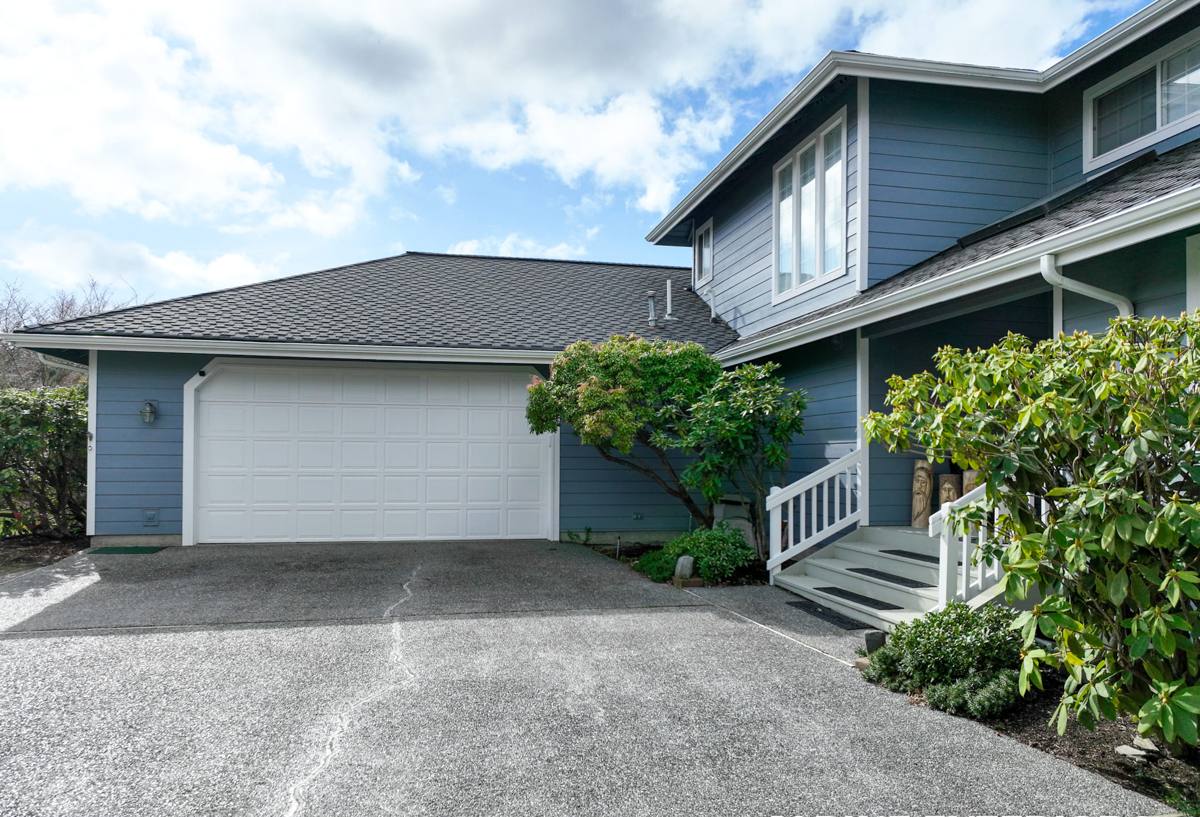
Barkley itself is a mix of newer planned-neighborhood construction and more established homes nearby, which means we see everything from decks being built fresh off a new house to older decks that were never detailed for this climate in the first place and are now showing it. Either way, a deck built correctly for Barkley needs to account for the same core conditions: moisture, wind-driven rain, and a moss season that doesn't give framing and fasteners much of a break.
What Bellingham's Climate Does to a Deck in Barkley
Marine Air, Even Set Back From the Water
Barkley isn't directly on the waterfront, but it's still inside Bellingham's marine air pattern, and that steady moisture-laden air affects exposed metal and finishes across the whole city, not just homes with a bay view. Fasteners, brackets, and hardware exposed to that sustained dampness corrode gradually, and a fastener that's lost holding strength doesn't always look bad before it fails — which matters more on a deck than almost anywhere else on a house, since it's a structure people stand and walk on.
Driving Rain
When storms move through Whatcom County, wind pushes rain sideways rather than letting it fall straight down, and that matters for a deck in ways it wouldn't for a flat driveway or patio. Wind-driven rain gets forced up under railings, into the ledger connection where the deck ties to the house, and between deck boards that aren't gapped with enough thought. A deck design that would shed water fine on a calm day can still trap moisture the moment wind gets involved, and in this region, wind is involved often enough that it has to be part of the design from the start.
A Moss Season That Runs Most of the Year
Mild temperatures and near-constant dampness give moss a long growing season here, and a horizontal deck surface is one of the first places it takes hold — it holds water longer between rain events than a vertical wall does. Shaded decks, north-facing exposures, and anything under tree cover are usually first to show it, and any decking material with even a little surface porosity gives moss something to grip onto.
Barkley's Mix of Homes and What That Means for the Build
Because Barkley includes both newer construction and older, more established homes, the deck work we do here splits fairly evenly between fresh builds tied into new house construction and replacement or repair work on decks that have been outside for a decade or more. A new deck on newer construction gives us a clean slate to get framing, drainage, and material choice right from day one. Replacement work is different — it usually means pulling up a deck that was built to a lower standard than this climate calls for, and finding out what the moisture underneath has already done to the ledger connection or framing before a new surface goes down. We tell you plainly which situation you're in before any work starts, not after the tear-off is already underway.
Choosing the Right Decking Material
Material choice matters more here than it would in a drier climate, because the gap in performance between a well-suited product and a poorly-suited one shows up faster under sustained moisture and moss pressure. The main options homeowners weigh are pressure-treated wood or cedar, capped composite, and cellular PVC.
| Material | Moisture Handling | Moss Resistance | Upkeep |
|---|---|---|---|
| Cellular PVC | Excellent — no wood fiber to absorb moisture | Strong, smooth non-porous surface | Occasional washing |
| Capped composite | Strong — cap layer resists moisture and staining | Good on most product lines | Occasional washing |
| Uncapped composite | Moderate — some absorption at exposed fiber | Fair; more prone to buildup over time | Periodic cleaning |
| Cedar | Moderate — natural resistance, needs sealing | Fair when sealed and maintained | Regular oiling or sealing |
| Pressure-treated wood | Weakens under sustained moisture over time | Poor without regular treatment | Regular sealing or staining |
Cost, appearance, and maintenance tolerance all factor into which material makes sense for a given household, and we walk through the honest trade-offs of each rather than steering everyone toward the highest-margin product.
What a Correctly Built Deck Involves
The decking surface gets most of the attention when homeowners picture a new deck, but in this climate, the framing, fasteners, and drainage details underneath are what actually decide how long it lasts. A build done right in Barkley includes:
- Framing material sized and rated for sustained moisture exposure, not a generic span table pulled from a drier climate
- Corrosion-resistant fasteners and hardware throughout, since standard-grade metal starts breaking down faster under this region's steady dampness
- Correct board gapping so wind-driven rain and standing moisture can actually drain and dry between boards instead of sitting there
- Proper ledger board flashing where the deck ties into the house — one of the most common places moisture gets into a poorly built deck
- Joist spacing matched to the specific decking product's span rating, not a one-size-fits-all layout
- Railing and post attachment sized for real-world wind exposure, especially on elevated or multi-level decks
- Grading and ventilation underneath the deck so moisture doesn't sit against the framing between storms
Skip any one of those and the deck usually still looks fine on day one. The problems tend to show up a couple of winters later — a soft joist, a loosening railing post, or fastener corrosion staining the boards around it.
Permits and Code for Bellingham Decks
Most deck projects in Bellingham need a permit, and the requirements generally cover structural sizing, footing depth, guardrail height where the deck sits above a certain elevation, and setbacks from property lines. Elevated decks and anything tied into an existing structure get extra scrutiny on the ledger connection specifically, since that's a common failure point when it's not flashed and fastened correctly. We handle the permit process as part of the job rather than leaving it for the homeowner to navigate, and we build to the inspected structural requirements rather than treating them as a minimum to shave costs against.
Deck Cost Factors in Barkley
| Factor | What It Affects | Why It Matters Here |
|---|---|---|
| Size and layout complexity | Total material and labor | Multi-level decks and stairs add framing and railing detail that has to hold up to the same moisture exposure |
| Elevation and ledger connection | Structural requirements and flashing detail | A raised deck tied to the house needs a ledger flashed correctly against wind-driven rain |
| Decking material selected | Upfront cost and long-term maintenance | Cellular PVC and capped composite cost more upfront but handle this region's moisture and moss with far less upkeep |
| Site access and grade | Labor time and equipment needs | Sloped lots and established tree cover, common around Barkley, can add site prep and staging time |
| Tear-off vs. new build | Scope and hidden repair costs | Replacing an aging deck can uncover framing or ledger damage from years of trapped moisture |
Real numbers depend on the specific property, which is why we walk the site before quoting rather than pricing off square footage alone.
How Our Process Works
We start with a site visit to look at what's actually there — existing deck condition if it's a replacement, grade and drainage around the area, sun and wind exposure through the day, and tree cover that affects moss and shade. From there we talk through decking material options that fit the budget and how the space will actually get used, whether that's a small landing off a back door or a larger deck built for entertaining. Once the design and permit are settled, the build follows the sequence above — substructure and framing first, sized and fastened for the site's actual exposure, then decking, railing, and any stairs. We finish with a walkthrough covering what your specific material needs going forward, which for most modern decking is minimal, but not nothing.
Why It Matters That We Already Work Barkley
A crew that mostly builds decks in drier parts of the state can still put one together competently, but a Barkley job has details that come up less often elsewhere — corrosion-grade fastener needs from sustained marine moisture, ledger flashing that has to hold against sideways-driven rain, and a moss season long enough that material choice genuinely changes the maintenance schedule a homeowner is signing up for. Working this area regularly means we're not guessing at those requirements on your project. We've seen which decking products actually hold up to Bellingham's specific combination of salt air, driving rain, and moss, and which framing and fastener details are worth the extra time rather than an upsell.
That familiarity also shows up in smaller judgment calls — how to orient a deck for the shade and drainage a particular Barkley lot actually has, or being straightforward about what a deck here realistically needs to last versus what's just an added line item.
Whether you're replacing a tired deck, building new, or just want an honest read on what a deck would take on your Barkley property, we're glad to walk the site with you and lay out the options plainly. Reach out using the form below to schedule a free, no-pressure estimate.