 Bellingham Exterior
 Storm Damage in Barkley: What Bellingham Weather Actually Does to a Roof
Barkley sits close enough to Bellingham Bay and the Salish Sea that roofs here deal with a specific combination of stressors most inland areas don't see as often: salt-laden air, wind-driven rain that comes in sideways off winter storms, and a moss season that runs longer than almost anywhere else in Washington. None of these problems are dramatic on their own. The trouble is they compound. A roof that's already carrying moss and holding moisture is far more vulnerable when a windstorm rolls through and starts working shingles, flashing, or ridge caps loose.
Storm damage repair in this kind of climate isn't just about patching what a single storm broke. It's about understanding why that spot failed first, and making sure the repair holds up through the next twenty storms, not just the next dry week.
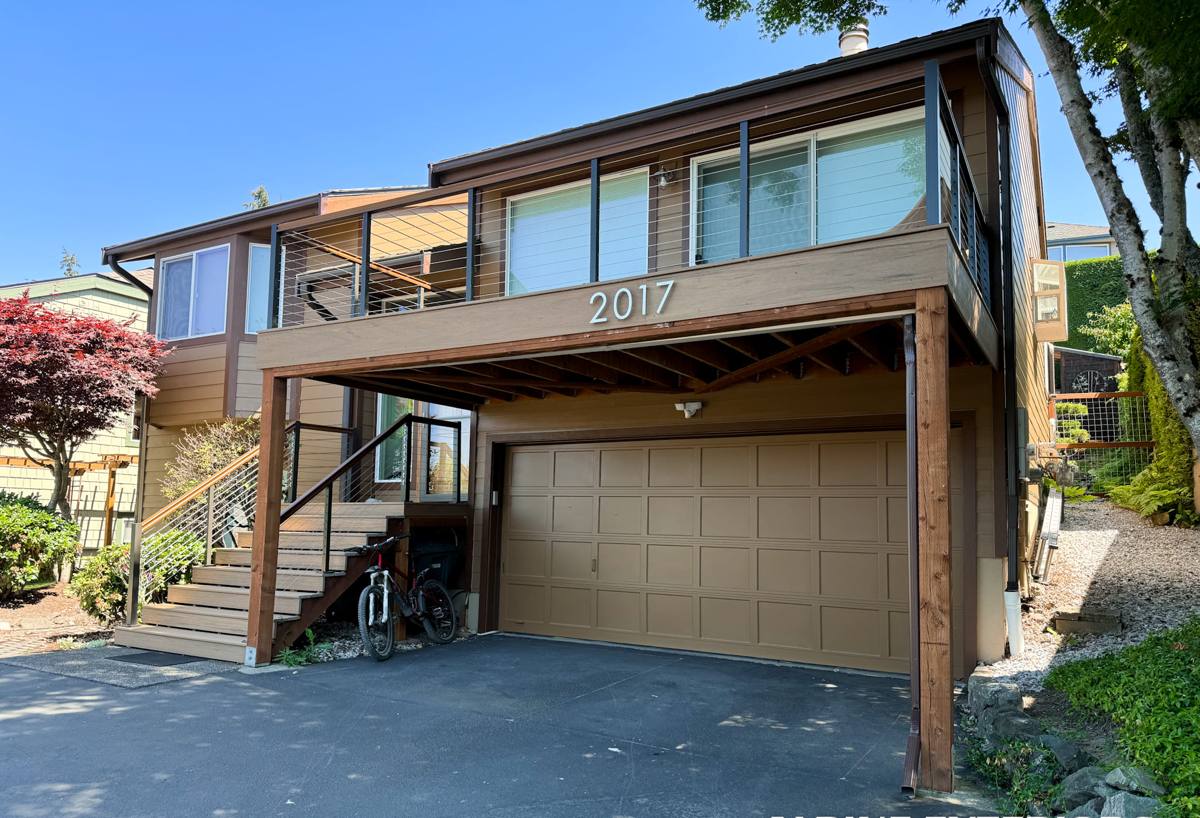
Common Storm Damage We See on Barkley Roofs
Whatcom County storms rarely produce the kind of catastrophic, whole-roof damage you'd see from a tornado or hailstorm further inland. What we see more often is targeted, cumulative damage from sustained wind and rain events:
- Lifted or torn shingles along ridges, hips, and roof edges — the areas that catch the most wind uplift.
- Flashing pulled loose around chimneys, skylights, and roof-to-wall transitions, letting wind-driven rain track behind it.
- Displaced or cracked ridge caps from sustained gusts, which is often the first thing to go before a full leak shows up.
- Gutter and downspout damage that backs water up under the roof edge instead of moving it away from the house.
- Moss-related lifting — moss mats that have grown thick enough to hold water under shingle edges, so a storm just finishes what months of moss growth already started.
- Branch and debris impact from the mature trees common in Bellingham neighborhoods, which can crack or puncture shingles without necessarily breaking through the decking.
The salt air piece matters more than most homeowners realize. It accelerates corrosion on exposed metal flashing, nails, and gutter hardware, so hardware that would last decades further inland can start failing sooner here. That's one reason a repair that looks fine for a season can start leaking again once the next round of weather finds the weak point.
Signs Your Barkley Roof May Have Storm Damage
Storm damage is often invisible from the ground. A roof can look intact from your driveway and still have compromised flashing or lifted shingles that are actively letting water in. Watch for:
- Water stains on interior ceilings, especially near chimneys, skylights, or where two roof planes meet.
- Granules collecting in gutters or at downspout outlets after a storm.
- Visible gaps, curling, or missing shingles from the ground or a neighbor's upstairs window.
- Shingle pieces or flashing debris in the yard after high wind.
- A musty smell in the attic, which often shows up before a visible ceiling stain does.
- Daylight visible through the roof deck from inside the attic.
If you notice any of these after a storm, the priority is a proper inspection before the next weather system arrives — not just a quick patch on the one spot you can see.
What We Check During a Storm Damage Inspection
A thorough inspection covers more than the obvious damage. We look at the full roof system: shingle condition across all planes, flashing at every penetration and transition, ridge and hip caps, gutter attachment, and — critically — the roof deck underneath, wherever we can safely access it. Water doesn't always show up where it entered, so tracing a leak back to its actual source is the difference between a repair that lasts and one that reappears in a different spot next winter.
What a Correct Storm Damage Repair Involves
A repair that's done right addresses three things, not just one:
- The visible damage — the torn shingle, the lifted flashing, the cracked ridge cap.
- The cause behind it — was it wind uplift on an already-aging roof, moss that compromised the seal, or hardware corrosion from years of salt exposure?
- The surrounding material — shingles and flashing adjacent to storm damage are often weakened even if they didn't fail outright. Repairing only the failure point and leaving compromised material next to it is how "fixed" roofs end up leaking again within a year.
We also match materials and installation methods to what actually holds up in coastal Whatcom County conditions, not just whatever's fastest to install. That means proper underlayment at repair seams, corrosion-resistant fasteners and flashing where salt exposure is a factor, and shingle work that ties cleanly into the existing roof rather than creating a new seam that becomes tomorrow's leak point.
Our Process
1. Inspection and Documentation
We walk the roof (or use a ladder and a close visual/photo inspection where roof access isn't safe), document the damage, and check the attic and interior for signs of water intrusion. If you're filing an insurance claim, this documentation is also what your adjuster will want to see.
2. A Straight Answer on Scope
We tell you plainly whether you're looking at a targeted repair or something bigger. If the roof is older and the storm damage is really just the first visible sign of a roof nearing the end of its service life, we'll say so — we're not going to sell you a patch on a roof that needs a real conversation about replacement timing.
3. The Repair
Matching shingles as closely as possible, replacing compromised flashing rather than just resealing it, and making sure every repair edge is properly tied into the surrounding roofing so water has nowhere new to get in.
4. Follow-Through
We check gutters and downspouts near the repair area too, since a repaired roof section draining into a damaged or undersized gutter run just creates a different water problem.
Repair vs. Replacement: How We Decide
Not every storm-damaged roof needs to be replaced, and not every roof is worth repairing indefinitely either. The honest answer depends on the roof's age, how widespread the damage is, and what condition the roof was in before the storm hit.
| Situation | Typical Approach | Why |
|---|---|---|
| Roof under 10-12 years old, isolated storm damage | Targeted repair | Underlying material is still sound; a clean repair will hold |
| Roof 15-20+ years old, damage in multiple areas | Repair now, plan replacement | Storm damage is often the first visible sign the roof is aging out |
| Heavy moss coverage plus storm damage | Moss treatment/removal, then repair | Repairing over active moss just sets up the same failure again |
| Widespread flashing failure or deck damage | Larger repair or partial replacement | Isolated patches can't fix a system-wide flashing or deck problem |
We'll walk you through where your roof falls on this before recommending anything.
Why a Crew That Already Works Barkley Matters
Roofing crews who work Bellingham and Whatcom County regularly know how local conditions actually behave on a roof over time — which flashing details tend to fail first in a marine climate, how much moss growth to expect between visits, and which parts of a roof take the worst of the wind coming off the water during a winter storm. That's not something you get from a crew that mainly works drier, inland climates and treats every roof the same way.
It also means we're realistic about timing. Storm damage repair often needs to happen between weather systems, not on some ideal dry-season schedule. Working this area regularly means we understand the urgency and can usually get a tarp or temporary protection in place quickly if a roof needs to be secured before the next storm rolls through, with the permanent repair to follow.
Insurance and Storm Claims
Many storm damage repairs are covered by homeowners insurance, particularly sudden events like wind or falling debris. What's typically not covered is damage from long-term neglect — for example, a leak that developed because moss had been left to grow unchecked for years. That's part of why documentation matters: a clear inspection report showing the damage is storm-related, not a maintenance issue, makes the claims process smoother. We're happy to provide that documentation, though the claim itself is between you and your insurer.
What to Do Right After a Storm
- Check the attic and ceilings for new water stains or a musty smell — don't rely on a ground-level look alone.
- Photograph any visible damage from the ground: missing shingles, debris in the yard, damaged gutters.
- Clear debris away from downspouts and drains so water isn't backing up against the roofline.
- Avoid getting on the roof yourself, especially in wet or windy conditions — storm-damaged roofing can be unstable even where it looks fine.
- Call for an inspection before the next storm system arrives, not after a small leak becomes a bigger one.
- Hold onto any documentation if you plan to file an insurance claim.
Get a Free, No-Pressure Estimate
If your Barkley home has storm damage — or you're just not sure whether that missing shingle or stained ceiling corner is something to worry about — we'll come take a straight look and tell you honestly what it needs. Use the form below to request a free estimate.