 Bellingham Exterior
 Birch Bay sits right where Whatcom County's marine weather hits hardest — salt-laden wind off the water, driving rain that comes in sideways more often than straight down, and a moss season that can run eight months out of the year in shaded, north-facing sections of a roof. Asphalt shingle roofing is still one of the most practical, cost-effective choices for homes out here, but only when it's installed and maintained with that specific exposure in mind. A shingle roof built to a generic spec sheet and a shingle roof built for Birch Bay are not the same job, even if the materials look identical on the shelf.
Why Birch Bay Roofs Wear Differently Than Inland Homes
Move a few miles inland from the water and a roof's biggest enemies are UV and temperature swings. Out here, the list is longer. Salt air accelerates the breakdown of exposed metal — nail heads, flashing edges, vent housings — well before the shingles themselves show their age. Wind off the bay drives rain up and under shingle tabs at angles a standard installation doesn't always account for, which is why sealant strips and nailing patterns matter more here than they do a few miles away. And the shade, humidity, and mild winters that make Whatcom County pleasant to live in are the same conditions moss and algae need to take hold on a north-facing slope.
None of this means asphalt shingles are the wrong material for Birch Bay. It means the installation details — underlayment choice, fastener quality, ventilation, and flashing work — carry more weight here than they would on a roof in a drier, more sheltered part of the county.
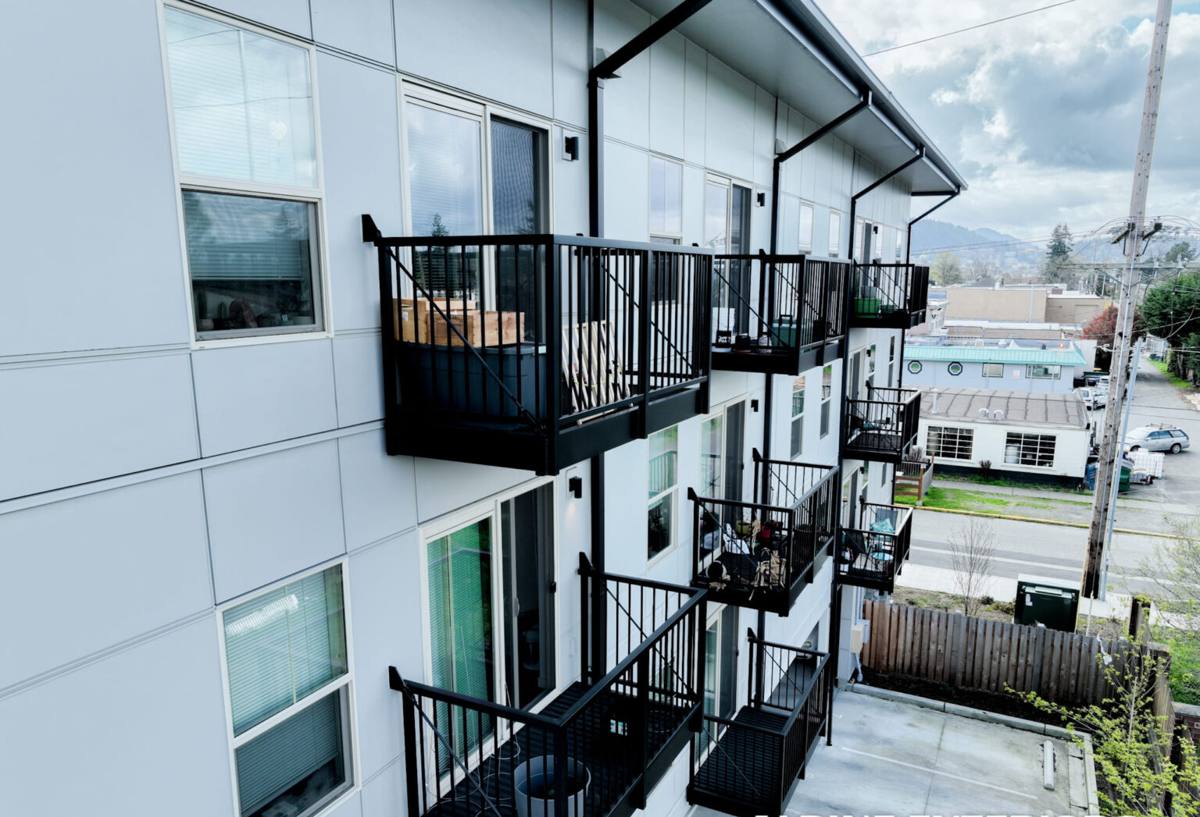
What a Correct Installation Actually Involves
A shingle roof is a system, not a single product. Every layer underneath the shingles you can see is doing work, and in a coastal environment, skipping or under-building any one of them shows up as a leak or premature failure within a few years rather than a couple of decades.
Underlayment and Water Protection
We use synthetic underlayment as the primary water barrier under the field of the roof, and self-adhering ice-and-water membrane at the vulnerable spots — eaves, valleys, around chimneys and skylights, and anywhere two roof planes meet. In a driving-rain environment like Birch Bay, valleys and eaves are where wind-blown water backs up under shingles, so this isn't an upgrade we treat as optional.
Fasteners and Flashing
Standard electro-galvanized nails corrode faster in salt air than most homeowners expect. We use corrosion-resistant fasteners and flashing rated for coastal exposure, because a roof is only as good as the metal holding it together, and replacing flashing is a much bigger job than replacing shingles.
Nailing Pattern and Sealant Activation
Every shingle has a manufacturer-specified nailing zone, and getting a nail even an inch off that zone weakens wind resistance and voids warranty coverage. Shingles also rely on a factory-applied sealant strip that bonds tab to tab once it's warmed by the sun — installed in cool, wet weather, that bond can take longer to set, so proper hand-sealing at exposed edges and rakes is part of doing the job right the first time rather than waiting on the weather to finish it for us.
Ventilation: The Part of the Roof You Don't See
Attic ventilation doesn't get much attention because it's invisible from the ground, but it directly affects how long a shingle roof lasts. A balanced system — intake at the eaves, exhaust at the ridge — keeps the attic close to outdoor temperature and moisture levels. Without it, trapped humidity condenses on the underside of the roof deck, which rots sheathing from the inside and encourages the same moss and mildew growth we're trying to keep off the outside of the roof. In a humid coastal climate, under-ventilated attics are one of the most common causes of a roof failing years before its shingles were rated to last.
Choosing a Shingle for a Marine Environment
Not every asphalt shingle product line is built the same, and the differences matter more in a salt-air, high-moisture climate than they do in a mild, dry one. The table below is a general guide to how shingle tiers compare — actual product availability and pricing should be confirmed for your specific roof during an estimate.
| Shingle Type | Typical Lifespan | Wind Rating | Best For |
|---|---|---|---|
| 3-Tab (economy) | 15–20 years | Lower | Budget-driven projects, less exposed slopes |
| Architectural / Laminate | 25–30 years | Moderate to high | Most Birch Bay homes; better wind and impact resistance |
| Premium Algae-Resistant | 30+ years | High | North-facing, shaded, or heavily treed lots prone to moss and algae |
For most homes out here, we recommend architectural shingles with algae-resistant granules as the baseline, not an upcharge. The copper- or zinc-infused granules used in algae-resistant products slow the growth that plain shingles are prone to in shaded, damp conditions — which, given how long moss season runs in this part of the county, is a maintenance cost worth avoiding rather than paying to remove later.
Our Process, Start to Finish
- On-site inspection. We walk the roof (or use a drone where pitch or access makes that safer) and check the deck, flashing, ventilation, and any interior signs of past leaks before quoting anything.
- Written estimate. You get a clear scope of work — materials, underlayment, flashing, ventilation changes if needed — not just a single bottom-line number.
- Tear-off and deck inspection. Old roofing comes off down to the deck, and any soft or rotted sheathing is identified and replaced before anything new goes down.
- Underlayment and flashing. Ice-and-water membrane at vulnerable areas, synthetic underlayment across the field, new flashing at penetrations, valleys, and roof-to-wall transitions.
- Shingle installation. Installed to manufacturer nailing specs, with attention to starter courses, ridge caps, and edge sealing given our wind and rain exposure.
- Ventilation check. Intake and exhaust venting confirmed or corrected as part of the job, not treated as a separate add-on.
- Cleanup and walkthrough. Magnetic sweep for stray fasteners, debris hauled off, and a final walkthrough so you know what was done and what to expect going forward.
Repair vs. Full Replacement
Not every roofing problem in Birch Bay means a full tear-off. The right call depends on the roof's age, the extent of the damage, and whether the underlying deck and structure are still sound.
| Factor | Leans Toward Repair | Leans Toward Replacement |
|---|---|---|
| Roof age | Under 10–12 years | Approaching or past rated lifespan |
| Damage extent | Isolated area (one slope, one flashing point) | Widespread wear, multiple leak points |
| Deck condition | Solid, no soft spots | Rot or soft sheathing found |
| Shingle granule loss | Localized | Widespread, exposed mat visible |
| Moss/algae staining | Surface-level, removable | Long-term growth affecting shingle integrity |
We'll always tell you honestly which side of that table your roof falls on. A well-timed repair extends a roof's life for a fraction of replacement cost; patching a roof that's structurally past its point just delays a bigger bill.
Living With a Shingle Roof in a Salt-Air Climate
Asphalt shingles don't need much upkeep, but a little seasonal attention goes a long way in this environment. The checklist below covers what we recommend homeowners keep an eye on between professional inspections.
- Clear gutters and downspouts before the fall rains so water isn't backing up under the eaves
- Keep overhanging branches trimmed back to cut down on shade, debris, and moss-friendly moisture
- Watch for dark streaking or green-black growth on north-facing slopes — early moss is far easier to address than established growth
- After major windstorms, do a visual check from the ground for lifted, cracked, or missing shingles
- Never pressure-wash a shingle roof — it strips protective granules and shortens the roof's life
- Have flashing around chimneys, vents, and skylights checked periodically, since these are the most common leak points on an otherwise sound roof
Why Local Experience in Birch Bay Matters
A roofing crew that works Whatcom County's coastal areas regularly knows which slopes in a given neighborhood hold moss longest, how far wind-driven rain typically pushes under a poorly sealed edge, and which flashing details tend to fail first in salt air — because they've seen the callbacks and fixed them. That's not something a crew based well inland, quoting jobs off a satellite photo, tends to account for. We price and build Birch Bay roofs the way this specific stretch of coastline requires, not the way a generic spec sheet says a roof should be built.
We also know the practical side of working here — narrow or tree-lined driveways, proximity to the water affecting staging and material drop, and coordinating around the wetter stretches of the year so a tear-off isn't left exposed longer than it should be. These are small things individually, but they add up to fewer surprises during the job.
Get a Straight Answer About Your Roof
Whether you're dealing with a leak, planning ahead for a roof that's showing its age, or just want an honest read on what condition your roof is in, we're glad to take a look. Fill out the form below for a free, no-pressure estimate — we'll tell you what we actually see, not just what sells a job.