 Bellingham Exterior
 Why Birch Bay Siding Takes a Different Approach
Birch Bay sits right on the water, and that changes what siding has to survive. Homes here don't just deal with Pacific Northwest rain — they deal with wind coming straight off the bay, salt-laden air, and long stretches of shade and moisture that keep moss and algae active for most of the year. A siding job that would hold up fine a few miles inland can start showing problems within a few seasons out here if it wasn't specified and installed with this exposure in mind.
We work throughout Whatcom County, and Birch Bay is one of the areas where we see the clearest gap between "siding that was installed" and "siding that was installed correctly for the site." This page covers what that distinction actually means for a Birch Bay home, and what our installation process looks like from first look to final walkthrough.
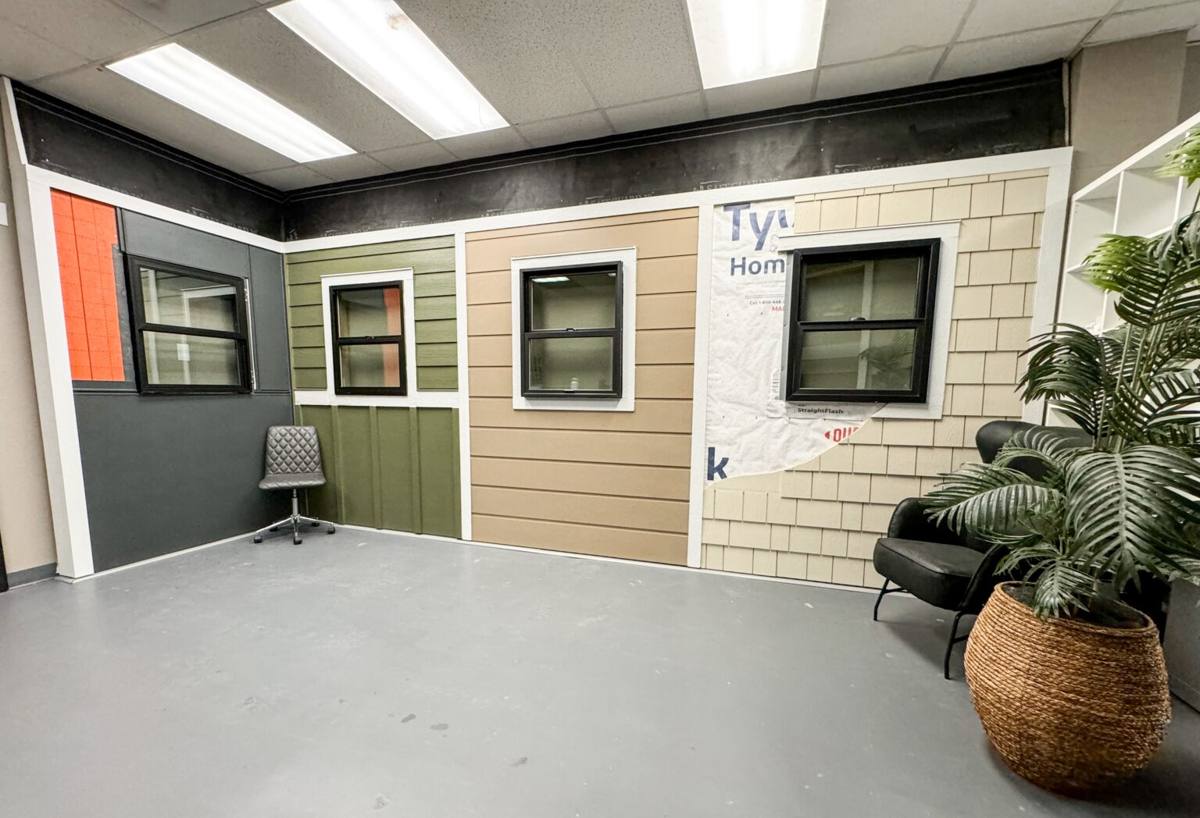
What Salt Air, Wind-Driven Rain, and Moss Season Do to Siding
Three environmental factors define siding performance in Birch Bay, and they compound each other:
Salt Air
Airborne salt from the bay settles on exterior surfaces and accelerates the breakdown of fasteners, trim metal, and any coating that isn't engineered for coastal exposure. Over time, salt residue also holds moisture against the siding surface longer than it would on a dry, inland wall.
Wind-Driven Rain
Rain that comes in at an angle off open water doesn't behave like rain falling straight down. It gets pushed under laps, around trim, and into any gap in the weather barrier that a calmer site would never expose. Siding on the water-facing side of a Birch Bay home takes a real beating during winter storms, and any weak point in the water-management system gets found eventually.
Moss and Algae Season
Shaded walls, tree cover, and near-constant moisture from fall through spring give moss and algae a long runway to establish themselves on exterior surfaces. Once organic growth takes hold on siding, it holds even more moisture against the wall and can accelerate paint failure and substrate damage if the material underneath isn't built for it.
None of these factors are unique to Birch Bay individually, but the combination — wind, salt, shade, and moisture, all at once, for most of the year — is what makes coastal Whatcom County installations different from a standard inland job.
Why the Siding Product Matters as Much as the Installation
We install James Hardie fiber cement siding exclusively, and Birch Bay is a good example of why. Fiber cement is non-combustible and dimensionally stable, meaning it doesn't expand, contract, warp, or absorb moisture the way wood-based or wood-alternative products can. James Hardie's HZ5 product line is specifically engineered for the wetter, harsher climate zones the Pacific Northwest coast falls into, and the factory-applied ColorPlus finish is baked on under controlled conditions rather than field-painted — which matters a lot when the material is going to spend years facing salt air and driving rain.
We don't install vinyl, LP SmartSide, primed spruce, cedar, or other fiber cement brands. That's a deliberate standard, not a sales pitch — it's the product line we've found holds up to spec in this specific climate without turning into a multi-year maintenance project for the homeowner.
| Factor | What It Means in Birch Bay |
|---|---|
| Moisture absorption | Fiber cement resists water absorption far better than wood-based siding, which matters where wind-driven rain is routine |
| Fastener and trim corrosion | Salt air accelerates corrosion on standard fasteners and trim — coastal-rated fasteners and flashing details are non-negotiable |
| Finish durability | Factory-applied finish holds color and resists chalking better than field-applied paint exposed to salt and UV off the water |
| Dimensional stability | Fiber cement doesn't swell or shrink with the constant wet-dry cycling common on a shaded, moisture-heavy bayfront wall |
| Fire resistance | Non-combustible material is an added layer of protection, relevant during dry summer stretches even in a generally wet region |
What a Correct Siding Installation Actually Involves
Siding failures in coastal areas are rarely about the siding material itself — they're almost always about what's happening behind it. A correct installation in Birch Bay includes several details that matter more here than they would on a sheltered, inland lot.
Weather-Resistive Barrier and Drainage Plane
Every wall gets a continuous weather-resistive barrier installed and lapped correctly, shingle-style, so water is directed out and down rather than trapped behind the cladding. On a wind-exposed, water-facing wall, gaps or shortcuts in this layer are exactly where problems start.
Rainscreen Drainage Gap
A furring or drainage-gap system behind the siding lets any moisture that does get past the outer layer drain and dry out instead of sitting against the back of the panel. This is one of the highest-value details on a bayfront home, where wall assemblies stay damp longer than average.
Flashing at Every Penetration
Windows, doors, vents, hose bibs, and any other wall penetration need proper flashing integrated with the weather barrier — not caulk used as a substitute for flashing. Caulk fails; flashed details don't rely on a bead of sealant to keep water out.
Fastening and Clearances
James Hardie specifies fastener type, spacing, and minimum clearance from grade, decks, and roof lines. Coastal exposure makes corrosion-resistant fasteners especially important, and correct clearances keep splashback and standing moisture away from the bottom edge of the siding.
Caulking and Sealant Details
Joints and butt seams get sealed with a sealant rated for the exposure, applied at the specified joints only — not as a blanket fix for gaps that should have been solved with better fitting and flashing in the first place.
Our Process for a Birch Bay Installation
The process itself doesn't change dramatically from site to site, but what we pay closest attention to does. On a Birch Bay home, that means:
- Site and exposure assessment — we walk the property and identify which walls take the most wind, rain, and salt exposure so those areas get extra attention on flashing, fastening, and drainage detailing.
- Removal and substrate check — old siding comes off and we inspect the sheathing and framing underneath for any moisture damage that needs to be addressed before new material goes up.
- Weather barrier and drainage plane installation — installed and lapped correctly across the whole building envelope, not just the visible high-exposure walls.
- Flashing and trim — every window, door, and penetration gets flashed to spec before siding closes it in.
- James Hardie panel or lap installation — installed to manufacturer fastening, spacing, and clearance requirements.
- Final detailing and walkthrough — caulking, touch-up, cleanup, and a walkthrough so you know what was done and why.
Why a Crew That Already Works Birch Bay Matters
Coastal Whatcom County jobs come with details that a crew unfamiliar with the area can miss — not because of bad intentions, but because those details don't come up on a typical inland job. Knowing which walls in a bayfront layout tend to take the worst of the winter wind, how much longer moisture sits on shaded, tree-covered lots near the water, and what fastener and flashing upgrades are actually worth the cost here versus a standard inland spec — that comes from having done the work in this specific area, not from a general siding background.
We're a Bellingham-based crew, and Birch Bay is part of the territory we regularly work in. That means familiarity with local permitting expectations, realistic scheduling around the wetter months, and an understanding of how homes in this specific stretch of Whatcom County actually perform over time — not just how they look the day the job wraps up.
Maintaining Siding in a Salt Air, Moss-Prone Environment
Even the right product, correctly installed, benefits from some basic homeowner maintenance in this climate. A little attention goes a long way toward protecting the investment:
- Rinse salt residue and general grime off siding once or twice a year, especially on walls facing the water
- Keep gutters clear so water isn't overflowing and running down the siding face
- Trim back vegetation and tree limbs that keep walls shaded and slow to dry
- Check caulked joints annually and have any cracked or failing sealant redone before it becomes a water path
- Address moss or algae growth early with a gentle wash rather than letting it establish and spread
- Watch fastener heads and trim metal for early signs of corrosion, particularly on the most wind- and spray-exposed elevations
What Birch Bay Siding Installation Typically Costs
Every home is different, and exact pricing depends on square footage, current siding condition, accessibility, and the amount of trim and detail work involved. In general terms, the cost drivers on a Birch Bay job break down like this:
| Cost Factor | Why It Matters Here |
|---|---|
| Removal and substrate repair | Coastal moisture exposure sometimes means sheathing or framing repairs are needed before new siding goes on |
| Drainage gap / rainscreen system | Recommended on wind- and water-exposed walls; adds labor and material but pays off in wall durability |
| Trim and flashing detail | Homes with more windows, dormers, and penetrations require more flashing work, which takes time to do right |
| Siding profile and accessories | Lap versus panel, trim width, and accessory choices affect material cost independent of labor |
| Site access and layout | Waterfront lots, slopes, and tight setbacks can affect staging, scaffolding, and overall labor time |
We provide a written estimate after seeing the home in person — general ranges without a site visit don't account for what your specific walls actually need.
Get a Free Estimate for Your Birch Bay Home
If your siding is showing wear from salt air, wind-driven rain, or a persistent moss problem, it's worth having a local crew take a look before those issues reach the sheathing. We'll walk the property, explain what we see, and put together a straightforward, no-pressure estimate for James Hardie siding installed to spec for this specific stretch of coastline. Fill out the form below to get started.