 Bellingham Exterior
 Why Birch Bay Windows Wear Out Faster Than Inland Homes
Birch Bay sits right on the water, and that changes what a window has to deal with day in and day out. Homes a few miles inland in Bellingham or further east in Whatcom County get rain and wind like everywhere else in Western Washington, but they don't get the salt. Airborne salt spray off the bay settles on glass, frames, and hardware, and it doesn't wash off completely even with regular rain. Over years, that salt film accelerates corrosion on metal components — hinges, locks, balance systems, and especially aluminum frames or cladding that wasn't specified for marine exposure.
Add in driving rain that comes sideways off the water during winter storms, plus the long gray stretch of moss season when everything stays damp for months at a time, and you've got a window opening that's under more stress than almost anywhere else in the county. A window that's a fine choice in a sheltered Bellingham neighborhood can underperform at Birch Bay if it wasn't selected and installed with that exposure in mind.
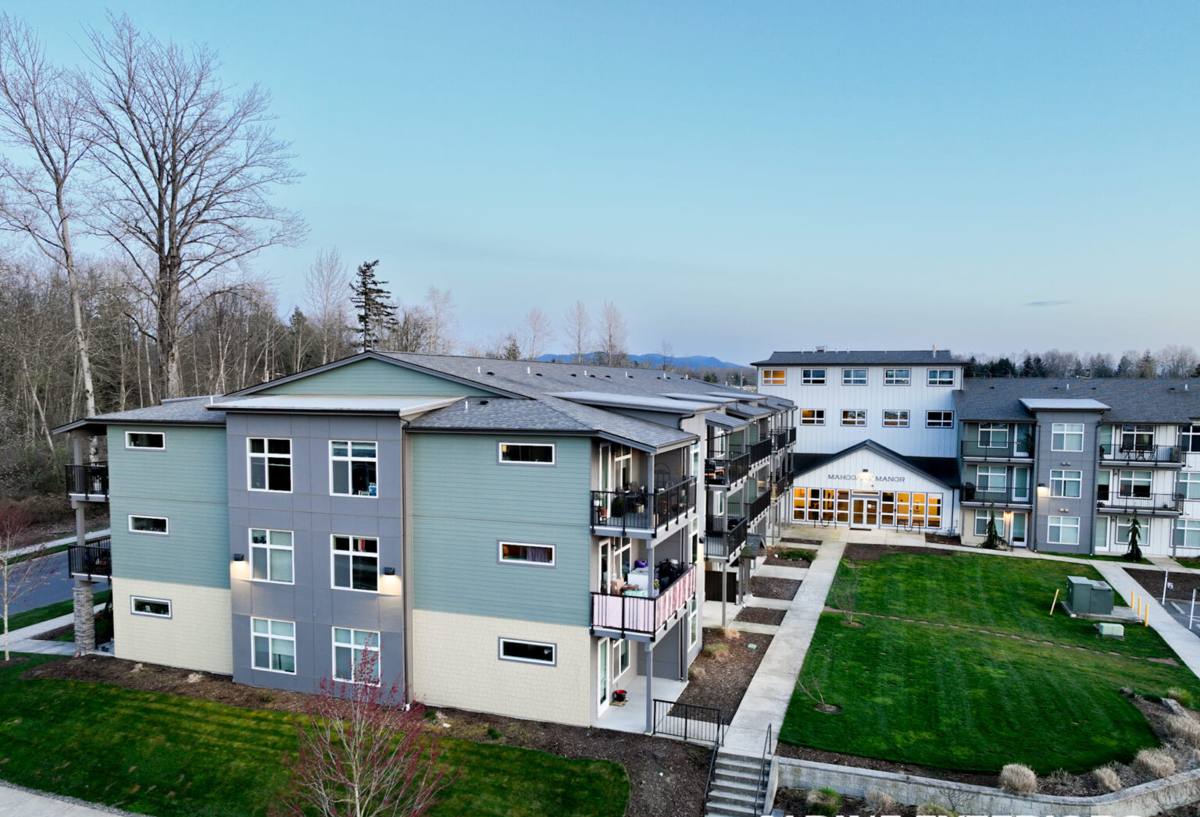
What "Correct" Looks Like for a Birch Bay Window Job
A custom window job here isn't just picking a style and screwing it into the existing opening. The details that matter most in this specific location are:
Frame Material Choice
Vinyl and fiberglass frames generally handle salt air better than bare or poorly coated aluminum, since they don't corrode the same way. If a homeowner wants an aluminum-frame look for a modern build, we make sure the finish and hardware are rated for coastal/marine environments — not just standard-grade coatings that are fine fifteen miles inland but will pit and chalk faster with regular salt exposure.
Hardware and Fasteners
Locks, hinges, cranks, and balance hardware take the brunt of salt corrosion because they're metal-on-metal moving parts. We spec stainless or coated hardware built for coastal duty rather than the standard hardware package that ships with most stock window lines. This is one of the most overlooked details in window installs near the water, and it's usually why an otherwise good window starts sticking or seizing within a few years at a place like Birch Bay.
Flashing and Water Management
Driving rain off the bay means wind-driven water is hitting these openings at angles that a standard flashing detail doesn't always account for. Proper head flashing, back-dam details at the sill, and correctly lapped weather-resistive barrier around the rough opening matter more here than on a sheltered lot. Get this wrong and you don't see it right away — you see it two or three winters later as staining, soft trim, or a musty smell that shows up during moss season.
Sealants Rated for the Exposure
UV, salt, and constant damp cycling break down cheap or mismatched sealants faster than in a typical inland install. We use sealants compatible with the frame material and rated for exterior marine-adjacent exposure, not whatever caulk happens to be in the truck.
Signs Your Birch Bay Windows Are Losing the Battle
- Hardware that's stiff, gritty, or won't latch smoothly — often the first sign of salt corrosion on internal mechanisms
- Visible pitting, chalking, or white powdery corrosion on aluminum frames or trim
- Condensation building up between panes on double or triple-glazed units (a failed seal)
- Soft or discolored trim and drywall around the frame, especially after a stretch of storms
- A persistent musty smell near windows during the wetter months, even with no visible leak
- Drafts you can feel with a hand near the sash on windy days, even when the window is fully latched
- Wood sills that feel spongy or show dark staining at the corners
Any one of these on its own might just mean a tune-up. Two or three together, especially on a home that's been through several winters at Birch Bay without an upgrade, usually means the window and its installation details are due for a real look.
Frame Material Comparison for Coastal Exposure
| Frame Material | Salt Air Performance | Maintenance | Typical Trade-Off |
|---|---|---|---|
| Vinyl | Good — doesn't corrode, color is through-body | Low — occasional cleaning | Fewer custom color/finish options than fiberglass |
| Fiberglass | Very good — stable in temperature swings, resists corrosion | Low | Higher upfront cost |
| Wood (clad exterior) | Depends entirely on cladding quality and detailing | Higher — interior wood still needs attention | Best look for some home styles, more upkeep near water |
| Standard aluminum | Weak unless marine-rated finish and hardware are specified | Higher near the coast | Thin sightlines, but needs upgraded spec for Birch Bay |
None of these is universally "right" — the correct choice depends on the home's style, the homeowner's maintenance appetite, and budget. What matters is that whichever material gets chosen, it's specified and installed to match the actual exposure at the site, not a generic Whatcom County spec.
Our Process for Birch Bay Jobs
1. On-Site Assessment
We look at each opening individually — orientation relative to the water, current flashing condition, sill health, and existing hardware wear. Windows facing the open bay or prevailing storm direction often need more attention than ones on a sheltered side of the same house.
2. Product Selection
We walk through frame material, glazing package, and hardware options with the coastal exposure factored in from the start, not as an afterthought. This is also where we talk through the real cost differences and what they buy you long-term.
3. Removal and Opening Prep
Old flashing and any compromised framing get addressed before the new window goes in. Installing a good window into a bad opening just moves the problem down the road.
4. Installation with Coastal Detailing
Correct flashing sequence, back-dam at the sill, and sealants matched to the frame material and this exposure. This is the step that separates a window that lasts fifteen-plus years at Birch Bay from one that starts showing problems in three or four.
5. Final Check
Operation, seal, and weatherproofing get verified before we consider the job done — including hardware function, which is often the first thing to show early wear in a salt-air environment.
Cost Factors for a Birch Bay Window Project
| Factor | Why It Affects Cost Here |
|---|---|
| Frame material | Fiberglass and upgraded vinyl cost more than base vinyl but resist salt corrosion better |
| Hardware upgrade | Marine-rated hardware costs more than stock but avoids early hardware failure |
| Opening condition | Openings with existing water damage or old flashing need repair before the new window goes in |
| Number and size of openings | Larger custom shapes or multiple windows on the exposed side of the house add labor and material |
| Access and exposure | Second-story or difficult-access windows on the water side take longer to do correctly |
We give straight numbers once we've actually looked at the openings — broad estimates without seeing the house rarely hold up, especially when existing flashing or sill damage is found once the old window comes out.
Why a Crew That Already Works Birch Bay Matters
A contractor based inland who occasionally takes a coastal job can install a window that looks fine on day one and still get the material and hardware spec wrong for the exposure, because they're not seeing the long-term failure pattern regularly. We work Whatcom County's coastal areas alongside our Bellingham-area jobs, so we see how standard-grade hardware and finishes actually hold up at Birch Bay over several winters — and we spec jobs accordingly from the start instead of learning it the hard way on your house.
That also means we're realistic about timelines. Winter storm season and the long stretch of wet weather that brings on heavy moss growth both affect scheduling and how urgently a failing window needs attention. We plan installs around what actually works for this stretch of coastline, not a generic regional calendar.
Maintenance That Actually Matters Here
- Rinse frames and glass periodically to reduce salt film buildup, especially after storms
- Lubricate hardware on a regular schedule — salt air dries out standard lubricants faster than inland use
- Check and clear weep holes so water can drain out of the frame rather than pooling
- Inspect exterior caulk and sealant lines yearly for cracking or separation
- Watch sills and trim during moss season for early signs of moisture retention
None of this is complicated, but skipping it near the water shortens a window's working life more than it would fifteen miles inland.
If your Birch Bay windows are showing wear, drafting, or you're planning new construction and want it done right the first time, we're happy to take a look and give you a straight, no-pressure estimate. Use the form below to get started.