 Bellingham Exterior
 Windows Built for Silver Beach's Particular Kind of Weather
Silver Beach sits in one of the more exposed pockets of Bellingham, where homes take a steady mix of moisture-laden air, wind-driven rain, and long stretches of shade that never quite let surfaces dry out. That combination is harder on windows than most homeowners realize. It's not one big storm that causes damage — it's months of small exposure, repeated year after year, working into places a window wasn't built to handle.
When we talk about "custom windows" for a home in this part of Whatcom County, we don't just mean a non-standard size or a special grid pattern. We mean windows and an installation approach chosen specifically because of what this neighborhood's climate does to a house over time. That distinction matters more here than in drier inland areas.
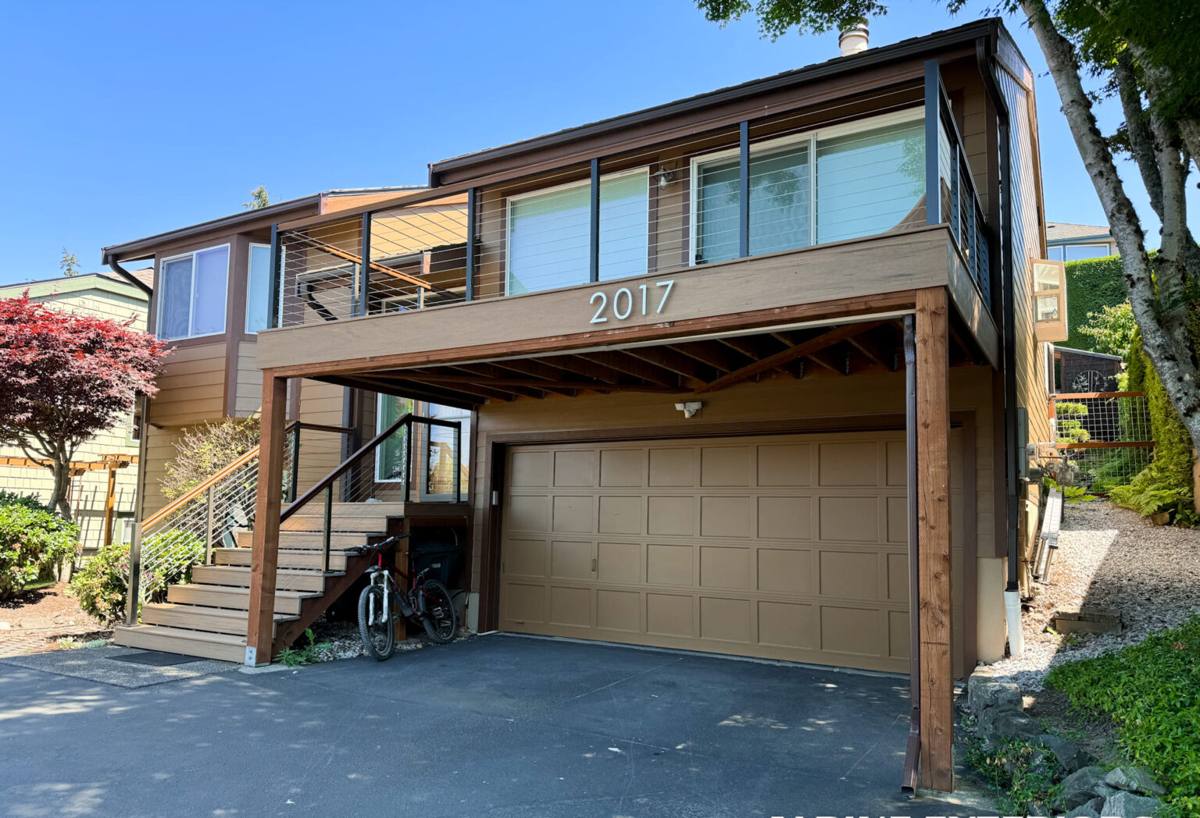
What Salt Air, Rain, and Moss Season Actually Do to a Window
Salt Air and Metal Components
Homes closer to the water deal with airborne salt that settles on exterior surfaces and accelerates corrosion on anything metal — hardware, hinges, fasteners, and lower-quality aluminum framing. Over years, this shows up as pitting, stiff or seized hardware, and finishes that chalk and fade faster than the manufacturer's warranty assumes. It's a slow process, which is exactly why it gets missed until a window won't latch properly anymore.
Driving Rain and Water Intrusion
Wind-driven rain doesn't just hit a window head-on — it gets pushed sideways and upward into gaps that would stay dry in a calmer climate. This is why flashing detail and sill design matter as much as the window unit itself. A well-built window installed without proper flashing will still leak. We've seen it plenty of times: a homeowner replaces the glass and frame, the leak returns in two winters, because the water management behind the trim was never addressed.
Extended Moss and Mildew Season
Shaded, damp conditions for much of the year mean moss, algae, and mildew get a long runway to establish themselves on sills, tracks, and exterior trim. Beyond the cosmetic issue, organic growth holds moisture against wood and composite surfaces, which speeds up rot in exactly the areas — sills and lower frame corners — that are hardest to inspect without pulling trim.
What a Correct Window Job Looks Like Here
A window replacement done right in this environment involves more than swapping the unit. The details that actually determine whether a window lasts are mostly invisible once the job is finished:
- Removing old flashing and sill materials down to sound framing, not installing over compromised wood
- Using a proper weather-resistive barrier integration at the rough opening, not just caulk at the trim line
- Sloped sill pans that direct any intruding water back outside rather than letting it pool
- Corrosion-resistant fasteners and hardware suited to a coastal-influenced climate
- Sealants and backer rod sized correctly for the gap, rather than a bead of caulk asked to do too much
- Frame materials matched to the home's sun and rain exposure on that specific elevation
Skipping any one of these doesn't usually cause an obvious problem right away. It shows up as a soft spot in the sill three or four years later, or a musty smell near a window that "was just replaced."
Choosing a Frame Material for This Climate
There's no single correct answer here — it depends on the home's exposure, your maintenance preferences, and budget. Here's how the common options actually perform under sustained coastal moisture and moss-season shade:
| Frame Material | How It Handles This Climate | Maintenance |
|---|---|---|
| Vinyl | Good moisture and salt resistance; won't rot or corrode | Low — occasional cleaning |
| Fiberglass | Very stable in temperature swings and damp conditions; strong long-term option | Low |
| Wood-clad | Attractive interior wood look, but cladding seams need careful sealing to keep water out of the wood core | Moderate — watch seams and finish |
| Aluminum | Can corrode and pit faster in salt-influenced air unless properly finished | Moderate to high near the water |
We'll generally steer Silver Beach homeowners toward vinyl or fiberglass on exposed elevations, and reserve wood-clad for more sheltered sides of the house where a homeowner specifically wants that interior look and is willing to keep an eye on the seams.
Our Process for a Silver Beach Window Job
The process itself isn't exotic, but the order and attention to each step is what separates a job that lasts from one that doesn't:
- On-site assessment — we look at each opening individually, not just the house as a whole. Sun exposure, wind direction, and existing water damage vary window to window.
- Removal and inspection — old units come out and we inspect the rough opening and sill for rot or prior water damage before anything new goes in.
- Repair framing as needed — any soft or compromised wood gets replaced, not covered over.
- Flashing and sill pan installation — this is the step that actually keeps water out long-term, and it's the one that gets rushed on lower-cost jobs.
- Window installation and shimming — set level, plumb, and square, with proper insulation in the gap.
- Sealing and trim — exterior sealant sized to the gap, interior trim finished to match the home.
- Final check — operation, locking, and a visual water-path check before we consider the job done.
Signs Your Current Windows Are Already Losing the Battle
Because damage here tends to be gradual, most homeowners don't notice until symptoms are fairly advanced. Worth checking for:
- Soft or spongy wood at the sill or lower frame corners
- Persistent moss or dark staining on the sill or trim that returns shortly after cleaning
- Windows that are harder to open, close, or lock than they used to be
- Visible condensation between panes (a sign the seal has failed)
- A musty smell near the window, especially after heavy rain
- Drafts you can feel even with the window fully latched
- Peeling or bubbling paint on interior trim near the window
Any one of these on its own isn't necessarily urgent, but two or more together usually means the window's weather barrier has already been compromised.
What Affects the Cost of a Window Project
We're not going to quote a number here that doesn't apply to your specific house — every job depends on window count, size, frame material, and what we find once the old units come out. But the main cost drivers are consistent across most Silver Beach jobs:
| Factor | Why It Matters |
|---|---|
| Frame material chosen | Vinyl is typically the most budget-friendly; fiberglass and wood-clad cost more upfront |
| Number and size of openings | Larger and custom-shaped windows require more material and labor |
| Condition of existing framing | Rot repair adds time and material that isn't visible until demo |
| Elevation and exposure | Higher-exposure sides of the house may warrant a more resistant material |
| Access | Second-story or hard-to-reach openings take longer to stage and install safely |
The honest way to get a real number is a walk-through, not a phone estimate — too much of the cost depends on what condition the framing is actually in.
Why Hiring a Crew That Already Works This Neighborhood Matters
Every part of Bellingham has its own quirks — soil, sun exposure, tree cover, prevailing wind direction — and Silver Beach's combination of shade, moisture, and coastal-influenced air is one we've worked with directly, not something we're guessing at from a general Pacific Northwest playbook. That familiarity shows up in small decisions: which elevations we flag for extra flashing attention, which frame materials we steer people away from on exposed sides, and what a "normal" amount of existing sill damage looks like on a house of a given age in this area.
It also means we're not learning on your house. A contractor who mostly works drier, more sheltered parts of the county may build a technically fine window install that still isn't matched to what Silver Beach actually throws at a home over a full winter and moss season.
Keeping New Windows Performing Long-Term
Even a correctly installed window benefits from basic seasonal attention in this climate. A few habits go a long way:
- Rinse sills and tracks periodically to keep moss and organic debris from establishing
- Check that exterior caulking lines stay intact, especially after freeze-thaw cycles
- Keep gutters and downspouts clear so overflow isn't running down onto window heads
- Trim back vegetation that keeps a window shaded and damp longer than necessary
- Operate locking hardware a few times a year so it doesn't seize from disuse
None of this replaces a correct installation — it just protects the investment once the hard part is done right.
If you're dealing with drafty, foggy, or hard-to-operate windows in Silver Beach, or you're planning ahead for a home in this part of Bellingham, we're glad to walk through and give you a straight, no-pressure estimate. Use the form below to get started.