 Bellingham Exterior
 Decks Built for Sudden Valley's Specific Conditions
Sudden Valley sits in a different microclimate than a lot two miles down the hill in downtown Bellingham. The tree canopy is heavier, the lake humidity lingers longer into the morning, and a lot of homes sit on sloped ground with limited direct sun on at least part of the deck footprint. Add in the driving rain and long moss season that define Whatcom County winters, and you get a deck environment that punishes shortcuts faster than most parts of the region. A deck built to a generic spec sheet will show problems here in a few years that it wouldn't show on an open, sunny lot elsewhere.
We've worked decks throughout this neighborhood and the surrounding Lake Whatcom area long enough to know which details are optional on a dry, exposed site and which ones are not optional here. This page covers what actually matters for a deck built to hold up on a shaded, damp Sudden Valley lot.
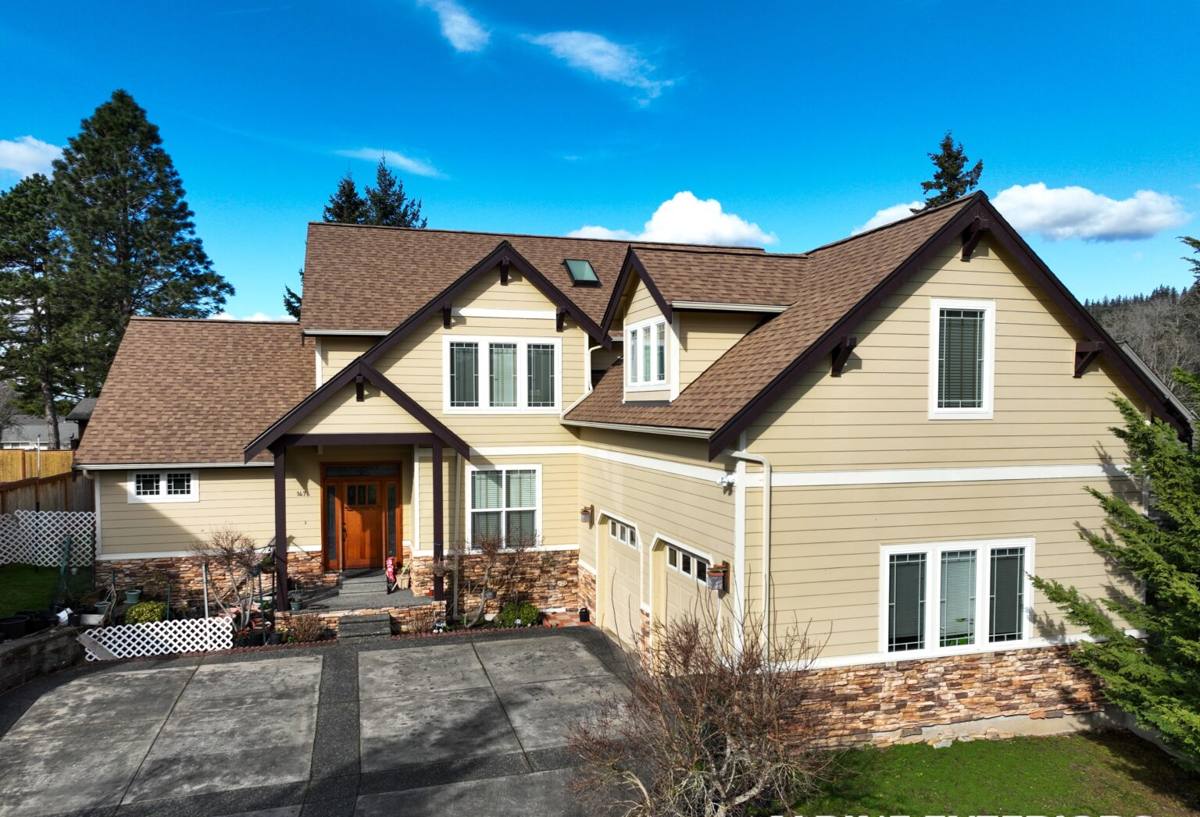
What This Site Does to a Deck Over Time
Shade and Moss
Heavy tree cover is one of the defining features of Sudden Valley lots, and it's also the reason moss and algae take hold on deck boards faster here than on more open sites nearby. Shade keeps wood and composite surfaces damp for hours longer after a rain, and that extended dampness is exactly what moss spores need. Left unchecked, moss doesn't just look bad — it holds moisture against the board surface, which accelerates rot in wood decking and can dull or stain some composite and PVC products.
Rain and Standing Water
Driving rain off the lake and the general wet-season volume common to this part of Washington means water needs somewhere to go, fast. Decks with poor drainage — flat boards with tight gaps, ledger boards without proper flashing, or framing that traps water against fasteners — end up with soft spots and hidden rot well before the surface shows obvious damage. On a shaded lot, that trapped water doesn't dry out between storms the way it might on a sunnier property.
Freeze-Thaw and Seasonal Swing
Whatcom County doesn't get extreme cold most winters, but Sudden Valley's elevation and tree cover mean frost and freeze-thaw cycling happen more often than in downtown Bellingham. Water that gets into a crack or a poorly sealed fastener hole and then freezes will widen that damage. It's a slower failure mode than rot, but it compounds the moisture problems above.
Choosing Decking Material for a Shaded, Damp Lot
Every decking material available today can work in Sudden Valley — but they don't all perform the same way under heavy shade and consistent moisture, and the maintenance burden differs a lot. We walk this through with every homeowner rather than push one product.
| Material | How it handles shade & moisture | Maintenance burden | Typical lifespan here |
|---|---|---|---|
| Pressure-treated wood | Prone to moss and mildew in shade; needs airflow and regular cleaning to shed moisture | Annual cleaning, periodic staining/sealing | 15-20 years with upkeep |
| Cedar | Naturally more rot-resistant than treated pine, but still needs care in constant shade | Cleaning plus refinishing every few years | 15-25 years with upkeep |
| Composite decking | Doesn't rot, but shaded composite can still grow surface algae and needs cleaning | Occasional washing, no staining/sealing | 25-30+ years |
| PVC/capped polymer | Fully moisture-sealed surface, best resistance to staining and algae growth | Lowest — periodic washing only | 25-30+ years |
For lots with heavy, near-constant tree shade — common on the more wooded sides of Sudden Valley — we generally steer homeowners toward composite or PVC decking, mainly because the maintenance cost of keeping a shaded wood deck clean and sealed year after year adds up. That said, plenty of homeowners want the look and feel of real wood and are willing to do the upkeep, and that's a completely reasonable choice too. It's a trade-off between upfront cost, appearance, and long-term maintenance time — not a right-or-wrong answer.
Framing and Substructure Details That Matter Here
Footings and Ground Contact
Sloped and partially shaded lots hold moisture in the soil longer, which matters for footing depth and post material. We size and place footings to local frost depth and use post bases that keep wood posts off concrete and out of standing water, rather than setting posts directly into wet ground contact.
Ledger Flashing
The ledger board — where the deck attaches to the house — is the single most common failure point we see on older decks in wet climates, and it's almost always a flashing problem. Water gets behind the ledger, into the house rim joist, and rots both the deck attachment and the wall framing behind it. Proper flashing, correct fastener spacing, and a drainage gap between the ledger and siding are not optional details on a Whatcom County deck.
Joist Spacing and Hardware
Tighter joist spacing than code minimum gives boards more support and reduces flex and gapping over time, which matters when boards are absorbing and releasing moisture through repeated wet-dry cycles. We use corrosion-resistant hangers and fasteners rated for the specific decking material, since galvanic reaction between mismatched metals and treated lumber chemicals is a real cause of premature hardware failure in wet climates.
Railings, Fasteners, and Hardware for a Damp, Shaded Lot
Railing posts and hardware take the same moisture exposure as the deck surface, often with less airflow around them. We spec hardware rated for treated lumber contact and exterior exposure, and we pay attention to end-grain sealing on posts, since end grain absorbs water far faster than the face of a board and is a common spot for early rot in wood railing systems.
Our Deck Building Process for Sudden Valley Homes
- Site walk and slope assessment — we look at tree cover, drainage direction, existing grade, and how much direct sun the deck footprint actually gets through the year, not just on the day we visit.
- Material conversation — honest trade-offs on wood versus composite versus PVC based on your specific shade level, budget, and how much upkeep you want to take on.
- Permitting — deck permitting requirements vary by height, attachment, and location; we handle the paperwork so it's not a surprise mid-project.
- Framing and flashing — footings, ledger attachment, and structural framing built to handle sustained moisture, not just pass inspection on a dry day.
- Decking and railing install — proper board spacing for drainage and airflow, fastener choice matched to material, sealed end grain on posts.
- Walkthrough — we cover what maintenance the specific material you chose actually needs, so there are no surprises in year two or three.
Maintenance in a Moss-Prone Environment
No deck in Sudden Valley is maintenance-free, even PVC. Shade and moisture mean an annual maintenance rhythm matters more here than it would on a sunnier property. A basic seasonal checklist:
- Sweep debris (needles, leaves, seed pods) off the deck regularly — trapped organic matter holds moisture and feeds moss growth
- Wash the surface at least once a year with a deck-safe cleaner to remove algae and moss before it takes hold
- Check and clear gaps between boards so water keeps draining freely rather than pooling
- Inspect railing posts and ledger flashing yearly for soft spots, staining, or gaps
- For wood decks, plan on re-staining or sealing on a multi-year cycle rather than waiting until it visibly fails
- Trim back overhanging branches where practical to improve airflow and reduce debris load
Why Hire a Crew That Already Works Sudden Valley
A deck built to a generic checklist can look identical to one built for this specific site — until year three or four, when the difference in flashing, fastener choice, and drainage detail starts to show. We've built and repaired decks throughout the Sudden Valley area and the broader Bellingham and Whatcom County region, and we know which corners get cut on decks that fail early here: thin flashing, wrong fastener metal, boards spaced too tight for drainage, and posts with unsealed end grain. Building it right the first time costs less over the life of the deck than repairing rot damage that could have been prevented.
Get a Free, No-Pressure Estimate
If you're planning a new deck or replacing one that's showing its age, we're happy to walk your Sudden Valley property, talk through material options honestly, and give you a straightforward estimate — no pressure, no sales script. Use the form below to get started.