 Bellingham Exterior
 Sunnyland's Housing Stock Needs a Window Contractor Who Understands Its Age
Sunnyland is one of Bellingham's older, established neighborhoods, and that shows up in the windows. A lot of homes here still carry original wood-frame single-pane windows from decades past, or a first-generation aluminum or vinyl retrofit installed sometime in the 80s or 90s that's now well past its service life. Neither of those was built for the kind of weather Whatcom County throws at a house year after year. When we replace windows in this neighborhood, we're not just swapping glass — we're correcting decades of moisture exposure at the frame, sill, and flashing that the original installation never accounted for.
That distinction matters more here than it does in newer subdivisions. A window replacement done without addressing what's underneath the old unit just seals old problems behind new trim. Doing it right in Sunnyland means opening things up, checking the condition of the framing, and building a water management plan into the install — not just ordering a window that fits the rough opening.
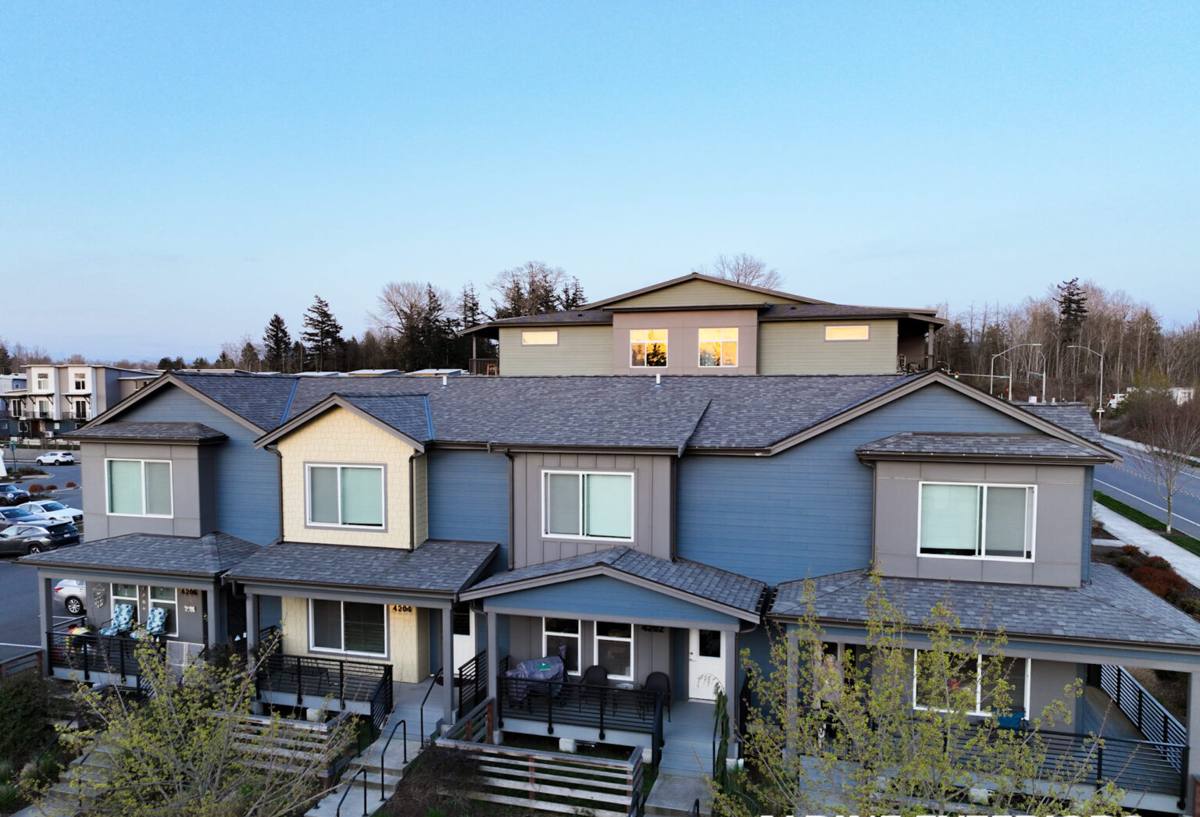
What Bellingham's Climate Does to Windows Over Time
Bellingham sits close enough to the water that salt air is a real factor on window hardware and exterior finishes, even a few miles inland. Combine that with the driving, wind-pushed rain that comes off the Sound and the long stretch of the year when moss and moisture just sit against north- and west-facing walls, and you've got a climate that's genuinely hard on windows — harder than most manufacturers' warranty language assumes.
Moisture and Rot at the Frame
Wood-frame windows that aren't clad or well-maintained absorb moisture at the sill and lower corners first. Once that wood starts to soften, no amount of caulking fixes it — the frame has to come out. We see this constantly on older Sunnyland homes: the glass and hardware still look fine, but the wood underneath the paint is failing.
Seal Failure and Fogged Glass
Insulated glass units rely on a sealed gas gap between panes. Constant damp cycling — wet, dry, wet again — breaks that seal down faster than it would in a drier climate. Fogging or condensation between the panes is a sign the unit is done; it can't be repaired, only replaced.
Moss and Organic Growth
Bellingham's long moss season isn't just a roof problem. Moss and algae that establish on window sills, exterior trim, and drip caps hold moisture against the surface far longer than open air would, which accelerates rot on wood trim and can stain vinyl and fiberglass finishes if it's never cleaned off.
Signs a Sunnyland Home Is Ready for Replacement
Most homeowners don't notice window failure until it's obvious — a draft, a stuck sash, visible fog. By the time it's that visible, the underlying damage is usually further along than it looks. Here's what we tell Sunnyland homeowners to watch for:
- Fogging or a milky haze between the panes of double-pane glass
- Soft or spongy wood at the sill, especially on south- and west-facing windows
- Windows that are hard to open, close, or lock — frames shift as wood swells and shrinks
- Visible gaps or daylight around the frame when the window is closed
- Peeling paint or bubbling finish concentrated around the window opening, not the whole wall
- A noticeable draft or cold spot near the window in winter
- Moss or dark staining building up on the sill or exterior trim year after year
One or two of these on a single window might mean a targeted repair. Several of these across multiple windows, especially on an older home, usually means it's time to talk about full replacement rather than patching one window at a time.
What a Correct Window Replacement Job Actually Involves
Full-Frame vs. Insert Replacement
There are two basic approaches, and the right one depends on the condition of what's already in the wall — not on what's cheaper to install.
| Approach | What it means | Best for |
|---|---|---|
| Insert (pocket) replacement | New window fits inside the existing frame; original frame and exterior trim stay in place | Frames that are still structurally sound, no rot or water damage present |
| Full-frame replacement | Old window and frame are removed down to the rough opening; new flashing, sill, and frame installed | Homes with any sign of rot, water intrusion, or an outdated moisture barrier — common in older Sunnyland houses |
Insert replacement is faster and less disruptive, but it only works if we confirm the existing frame is genuinely sound. On a lot of the older homes we work on in this neighborhood, that frame has some degree of hidden water damage, which means insert replacement would just trap the problem behind a new window. We won't recommend it unless we've actually checked.
Flashing and Water Management
This is the part that doesn't show up in a sales brochure but matters most in this climate. Every window opening needs a flashing sequence — building paper or house wrap integrated with sill pan flashing, side flashing, and head flashing — arranged so water is always directed out and down, never trapped behind the siding. On a full-frame replacement, this is where we spend real time. A window can be perfectly installed and still leak within a few years if the flashing behind it was done wrong or skipped.
Choosing the Right Window Material for This Climate
There's no single "best" window material — there are trade-offs, and the right call depends on the home, the exposure, and the budget. We'll walk through these honestly rather than push whatever has the best margin.
| Material | Moisture performance | Maintenance | Notes for this area |
|---|---|---|---|
| Vinyl | Doesn't rot or corrode; handles salt-air exposure well | Low — no painting or sealing needed | Solid value option for most Sunnyland homes; quality varies a lot between manufacturers |
| Fiberglass | Excellent — very stable in wet/dry cycling, resists warping | Low | Higher upfront cost, but holds up especially well against driving rain exposure |
| Wood-clad | Good if the cladding is intact; interior wood still needs protection from condensation | Moderate — exterior clad, but interior finish needs occasional attention | Best where a wood interior look matters; not our first pick for the wettest exposures without careful detailing |
| Bare wood | Poor in this climate without diligent upkeep | High — regular painting/sealing required | We generally steer homeowners away from bare wood on exposed elevations here; the maintenance burden is real |
For most Sunnyland homes, vinyl or fiberglass ends up being the practical choice — both shrug off the damp cycling and salt air that wear down other materials, and neither adds a maintenance chore to your yearly list. Where a wood-clad look matters for matching an older home's character, we'll talk through what that upkeep actually looks like so there are no surprises.
Our Process From Estimate to Cleanup
The process is straightforward, but we don't skip steps just to move faster:
- On-site assessment — we look at each window individually, not just the house as a whole, since condition often varies by exposure
- Honest recommendation — insert vs. full-frame, material options, and why, based on what we actually find
- Written estimate — clear scope, no vague line items
- Removal and inspection — old units come out, and we check the framing before anything new goes in
- Flashing and installation — proper water management sequence, then the new window set plumb, level, and square
- Sealing and trim — interior and exterior finish work to match the home
- Walkthrough and cleanup — every opening operated and checked before we consider the job done
Why a Crew That Already Works Sunnyland Matters
Working regularly in this neighborhood means we already have a feel for what its homes tend to hide — where the older construction methods fall short by today's standards, which exposures take the worst of the wind-driven rain, and what condition to expect once trim comes off. That's the difference between a crew that's guessing at what's behind the wall and one that's opened up dozens of similar openings on similar houses nearby.
It also means we're realistic with Bellingham and Whatcom County permitting and building code requirements for window replacement, and we don't treat every job as a first-time learning curve. For a homeowner, that translates into fewer surprises mid-project and a more accurate estimate from the start.
The Payoff: Comfort and Efficiency
Beyond stopping water intrusion, correctly installed modern windows make a noticeable difference in comfort — fewer cold drafts near the glass in winter, less condensation on the interior pane on cold mornings, and a quieter house. None of that requires exotic or premium products; it comes from proper sizing, correct flashing, and a tight, well-sealed install. That's true whether you're replacing two windows on a north wall that's taken the brunt of the weather or doing the whole house at once.
If you're noticing drafts, fogged glass, or sticking sashes on a Sunnyland home, we're happy to take a look and give you a straight answer about what's actually needed — no pressure, no upsell. Use the form below to request a free estimate.