 Bellingham Exterior
 Storm Damage Roof Repair for York Homes
York is a quieter residential pocket of Bellingham, and like most of the city's older and mixed-era neighborhoods, its rooflines take a steady beating from Pacific storms rolling in off Bellingham Bay. A roof here rarely fails all at once. It fails in stages — a gust lifts a row of shingles during a November windstorm, a branch comes down during an ice event, or driving rain finds a seam that's been slowly opening for a season or two. By the time a homeowner notices a stain on the ceiling, the damage has usually been building for a while.
This page covers what storm damage roof repair actually involves for a York home, what to look for after a weather event, and how we approach the job so it holds up through the next one — not just the one that's already passed.
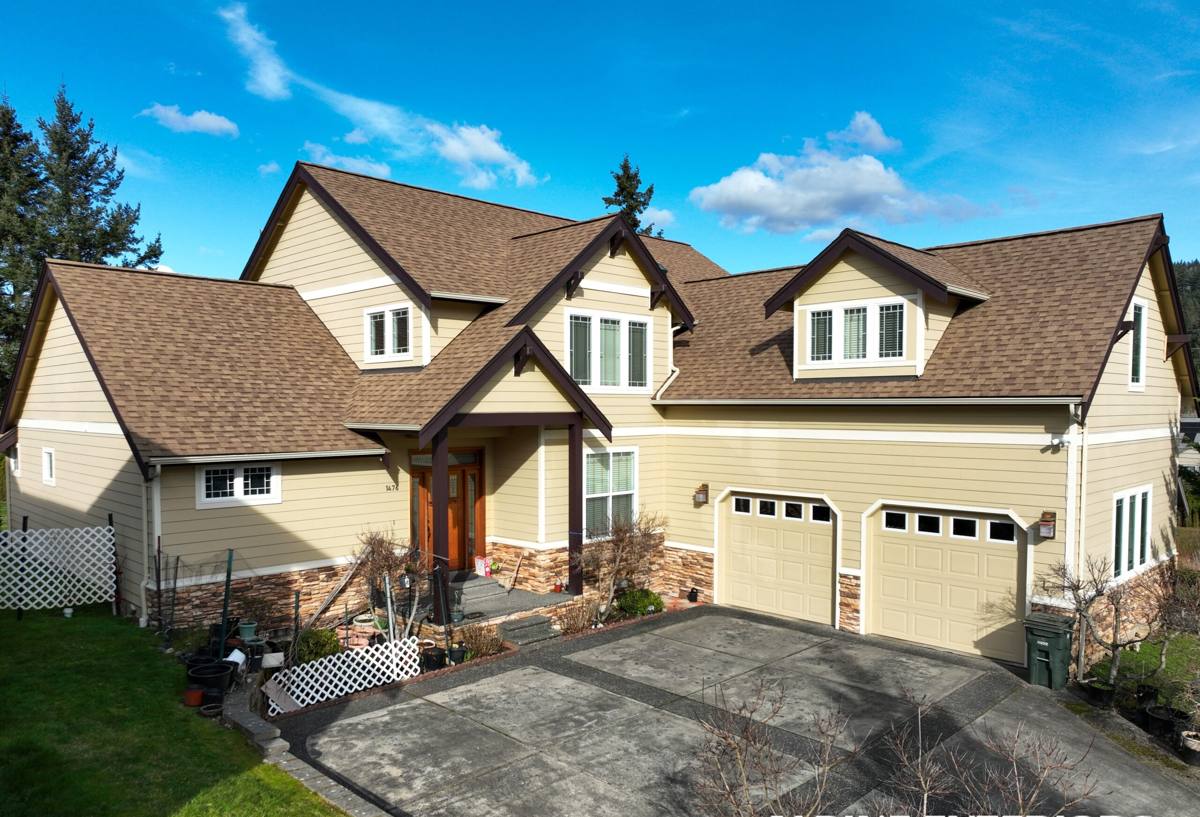
Why Storms Hit Whatcom County Roofs Differently
Bellingham's climate isn't just "rainy." It's a specific combination of conditions that wears on roofing materials in ways that drier or more inland climates don't experience.
Salt Air
Homes closer to Bellingham Bay deal with a slow, steady exposure to salt-laden air. Over years, that air accelerates corrosion on exposed metal — flashing, fasteners, gutter hardware, vent caps — long before the shingles or panels around them show their age. A roof can look intact from the ground while its metal components are quietly failing underneath.
Driving Rain and Wind-Driven Storms
Pacific storm systems don't just drop rain straight down. Wind pushes it sideways, up under shingle tabs, and into any flashing lap that isn't sealed the way it should be. A roof that would shed water fine in a calm rain can leak in a wind-driven storm because water is being forced uphill against laps and seams instead of running downhill off them.
A Long Moss Season
Shaded, north-facing, and tree-lined roof sections in and around York stay damp for months at a stretch. Moss and moisture-loving growth take hold, and as they spread they lift shingle edges and hold water against the roof deck. A storm hitting a roof that already has moss intrusion does more damage than the same storm would on a clean, well-maintained one — the moss has already compromised the seal before the wind ever shows up.
What Actually Counts as Storm Damage
Not every roof problem after a storm is dramatic, and not every storm-related issue shows up right away. Here's what we most commonly find on Whatcom County homes after wind and heavy rain events:
- Lifted or torn shingles — wind gets under a tab, breaks the seal, and either tears it off or leaves it loose enough to flap and fail in the next storm.
- Damaged or displaced flashing — around chimneys, skylights, vent pipes, and roof-to-wall junctions, where most leaks actually originate.
- Impact damage — from branches, debris, or falling limbs, which can crack shingles, dent metal roofing, or puncture the deck itself.
- Gutter and downspout damage — bent, pulled loose, or clogged with storm debris, which redirects water into places it shouldn't go.
- Granule loss — heavy wind-driven rain can strip protective granules off asphalt shingles, which doesn't leak immediately but shortens the roof's remaining life.
- Underlayment or deck exposure — where shingles are gone entirely, leaving the roof deck exposed to ongoing rain until it's covered.
Signs a York Roof Needs a Storm Inspection
Some damage is obvious from the ground. Some isn't, and that's exactly the kind that turns into a bigger repair if it sits through a few more storms. After any significant wind or rain event, it's worth checking for:
- Shingles in the yard, gutters, or against the fence line
- Visible gaps, curling, or discoloration in a section of the roof
- New or worsening water stains on ceilings or upper interior walls
- Sagging or soft-feeling spots on the roof plane
- Granules collecting in gutters or at downspout outlets
- Daylight visible through the attic roof deck
- Bent, dented, or separated gutters and flashing
- Moss buildup that's noticeably thicker or has started lifting shingle edges
If you see any of these, the roof doesn't necessarily need full replacement — but it does need a real inspection before the next storm arrives, not after.
What a Correct Storm Repair Involves
A storm repair done right isn't just patching the spot that's visibly damaged. Wind and rain rarely damage a roof in only one place, so the job starts with confirming the full extent of the problem, not just the symptom that got reported.
Full-Roof Inspection, Not a Spot Check
We look at the whole roof plane, not just the area near the leak or the missing shingles. Wind damage often shows up in a pattern — the side of the roof that took the brunt of the gust — and there can be lifted or compromised shingles nearby that haven't failed yet but will in the next storm if they're left alone.
Matching Materials Correctly
Repairs need to match the existing roofing in profile, weight, and where possible, color and age, so the repaired section performs the same as the rest of the roof rather than becoming a new weak point. On an older roof, exact color matches aren't always possible — we're upfront about that rather than promising a seamless blend we can't deliver.
Flashing and Sealing Done Properly
Given how much of Bellingham's storm damage traces back to flashing and seams, this is where care matters most. Flashing gets replaced or resecured, not just caulked over, and laps are set to shed water the way they were designed to — overlapping correctly for the direction water and wind actually move on that roof.
Deck Repair When Needed
If water has been getting into the roof deck for a while before the storm exposed it, patching the surface without addressing the deck underneath just hides the problem. Soft or water-damaged decking gets replaced as part of the repair, not left in place under new shingles.
Our Storm Damage Repair Process
- Initial call and triage — if there's active leaking or exposed decking, we prioritize getting the roof protected first.
- Temporary protection — tarping or covering exposed areas to stop ongoing water intrusion while the full repair is scheduled.
- On-site inspection — a full look at the roof plane, flashing, gutters, and attic (where accessible) to document the actual scope of damage.
- Written estimate — a clear breakdown of what's damaged, what needs repair versus replacement, and why.
- Repair work — matched materials, proper flashing and sealing, and deck repair if the underlying structure was compromised.
- Final walkthrough — confirming the repair with you before we consider the job finished, not just leaving materials on the roof and calling it done.
Repair vs. Replacement: What Drives the Decision
Storm damage doesn't automatically mean a full replacement, but it's the right time to have that conversation honestly, since a repair on a roof that's already near the end of its life often isn't the best use of money.
| Factor | Leans Toward Repair | Leans Toward Replacement |
|---|---|---|
| Roof age | Under 12–15 years, good condition elsewhere | Nearing or past expected lifespan |
| Extent of damage | Isolated to one section or slope | Spread across multiple areas or slopes |
| Underlying deck | Solid, no rot or soft spots | Widespread moisture damage found on inspection |
| Moss/growth history | Minimal, well-maintained roof | Long-term moss intrusion under shingles |
| Material availability | Matching shingles/panels still available | Discontinued material, poor match likely |
We'll always tell you honestly which side of that table your roof falls on, including when a repair is the right call even though a replacement would be the bigger job for us.
Working With Your Insurance Claim
Most storm damage repairs in this area involve an insurance claim at some point. We can document the damage with photos and a written scope of work that supports your claim, and we're glad to walk an adjuster through what we found on the roof. What we won't do is inflate a scope of work or claim damage that isn't there — an honest, accurate report serves you better in the long run than an exaggerated one, even if it feels slower up front.
Why a Crew That Already Works in York Matters
Roofing crews that work Whatcom County regularly know what a York roof is actually dealing with — the salt exposure off the bay, the tree cover that keeps certain roof sections shaded and mossy longer into the year, and the wind patterns that tend to hit some slopes harder than others in a given storm. That's the difference between a repair that's built for this specific climate and one that's built for a generic weather pattern that doesn't match what actually happens here.
It also matters for response time. Storm damage that's left exposed for days or weeks turns a straightforward repair into a much bigger one, especially with Whatcom County's rain frequency. A crew already working in the area can typically get out to inspect and tarp faster than one coming from farther afield.
Get a Free, No-Pressure Estimate
If your York home has visible storm damage, or you just want a roof checked after a recent windstorm before it turns into a bigger problem, we're happy to take a look. The estimate is free, there's no pressure to move forward, and you'll get a straight answer about what your roof actually needs — use the form below to get started.